


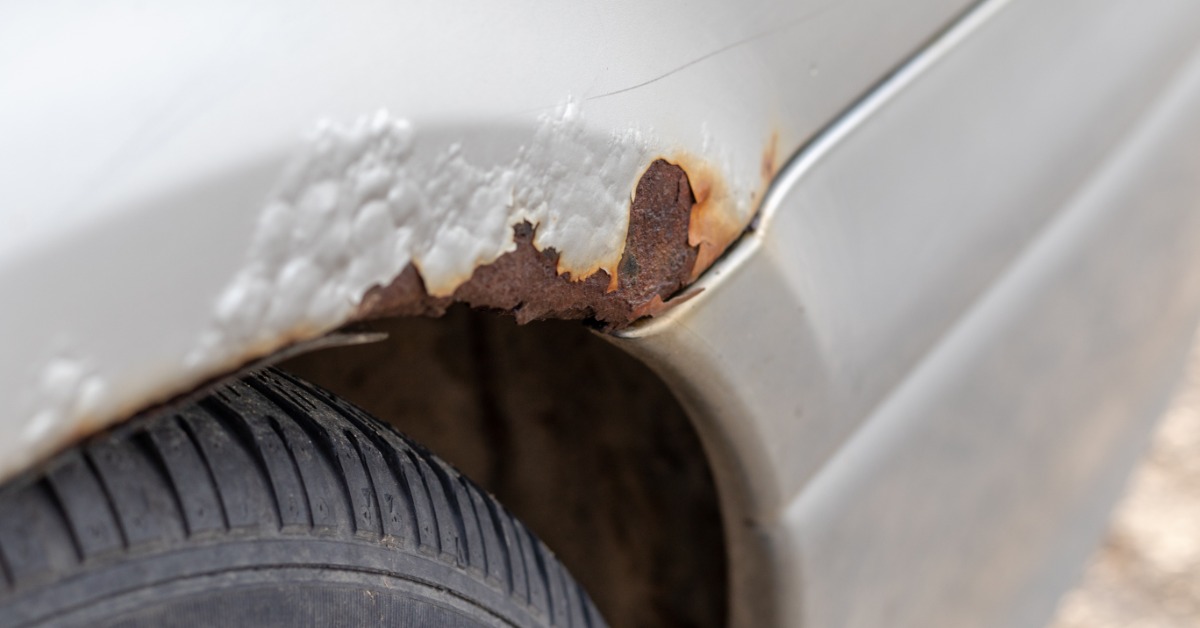
Rust develops quietly. Snow, moisture, and road salt expose metal components to corrosion, gradually weakening parts that contribute to vehicle performance and safety. Even a small patch of exposed metal can develop significant damage when winter conditions accelerate oxidation. Recognizing the risks of winter rust and taking preventive action protects vehicles from expensive repairs and component failure.
Road Salt Accumulation Beneath the Vehicle
Road crews spread salt to reduce ice accumulation, but these chemicals can damage metal components beneath vehicles. As tires travel across treated pavement, they spray salty water onto the undercarriage, leaving deposits around seams and mounting brackets. Since chloride salts accelerate the chemical reactions responsible for corrosion, prolonged exposure increases the likelihood of rust formation.
Hidden Areas of Salt Accumulation
Salt deposits don’t disappear when the snow melts. Road chemicals frequently collect around subframes, protective shields, and overlapping metal sections, where trapped moisture continues contributing to corrosion.
These areas deserve particular attention because drivers won’t notice deterioration during routine exterior inspections. Even vehicles with minimal visible rust can experience corrosion underneath.
Undercarriage Cleaning and Rust Protection
Regular undercarriage washing removes corrosive deposits before they accumulate around vulnerable components. During periods of frequent salt exposure, consider visiting a car wash with an underbody rinse approximately every two weeks. Rinsing after major winter storms provides additional protection.
Professional rustproofing treatments offer another option for vehicles exposed to harsh winters. However, technicians must inspect and prepare metal surfaces before applying protective products because coatings won’t restore areas that already have substantial corrosion.
Moisture Trapped Beneath Damaged Paint
Automotive paint protects exterior metal panels from moisture and environmental contaminants. When gravel or road debris chips the finish, exposed steel becomes vulnerable to oxidation. Winter conditions accelerate this process because salty water enters small openings and encourages corrosion beneath the surrounding paint.
Wheel arches and rocker panels face substantial exposure to road spray. Once rust develops underneath the finish, bubbling paint or reddish discoloration may indicate deterioration extending beyond the visible damage.
Small Paint Chips and Spreading Corrosion
Minor scratches might appear harmless, but even narrow openings allow moisture to reach unprotected metal. Repeated freezing and thawing contribute to deterioration around damaged areas.
Inspecting exterior panels before winter helps identify chips that warrant treatment. Automotive touch-up products can protect small areas of exposed metal, provided the surface receives proper preparation. Bubbling or extensive rust warrants an evaluation from a professional.
Protective Finishes During Winter
Wax provides an additional barrier against moisture and road contaminants on intact paint. Applying a suitable automotive wax before winter preserves the exterior finish, particularly around lower panels exposed to frequent road spray.
However, protective finishes gradually wear away, making regular cleaning essential. Washing accumulated salt from the exterior reduces exposure to corrosive chemicals. Maintaining the paint’s condition will make the vehicle feel brand new as time passes.
Corrosion and Brake Line Failure
Brake lines carry pressurized hydraulic fluid that allows the braking system to respond when drivers press the pedal. Many vehicles use metal tubing along the undercarriage, exposing sections of the system to salty moisture and road debris. Severe corrosion gradually weakens these lines, potentially causing fluid leaks or ruptures that compromise braking performance.
Rust frequently develops around fittings and mounting clips, where moisture can remain trapped. Because much of the system sits beneath the vehicle, deterioration isn’t always noticeable without a dedicated inspection.
Warning Signs of Brake Line Deterioration
Significant corrosion doesn’t necessarily produce symptoms before a brake line fails. However, a soft brake pedal, visible hydraulic fluid leakage, or an illuminated brake warning light can indicate a serious problem.
Drivers experiencing reduced braking performance should stop in a safe location and arrange professional assistance. Continuing to operate a vehicle with a suspected hydraulic leak increases the risk of losing braking capability.
Brake Inspections and Corrosion Damage
Professional brake inspections help identify rust around hydraulic tubing, fittings, and mounting points. Technicians examine metal surfaces for deep pitting, significant scaling, and deterioration that could compromise structural integrity.
Once corrosion substantially weakens a brake line, replacement becomes necessary because surface treatments cannot restore lost metal thickness. Including brake inspections when planning car maintenance throughout the seasons helps identify developing problems before additional winter exposure accelerates damage.
Structural Weakness in Suspension Components
Suspension components absorb road impacts and contribute to vehicle stability, making their structural condition essential to safe operation. Winter moisture and road salt promote corrosion along metal control arms, subframes, and mounting brackets. The material’s thickness depletes as the rust spreads, eventually leading to structural failure.
Corrosion around suspension attachment points presents particular concerns because these locations transfer significant forces between the wheels and vehicle structure. Advanced deterioration may compromise mounting integrity and affect vehicle handling.
Surface Rust vs. Structural Corrosion
Not every rust patch indicates immediate structural damage. Light surface oxidation affects the exterior of metal components, whereas advanced corrosion produces deep pitting, substantial flaking, or weakened sections.
Distinguishing between these conditions requires careful inspection. A technician can evaluate suspicious areas and determine whether the damage affects critical mounting points or load-bearing components. Simply covering deteriorated metal with paint won’t restore structural strength.
Suspension Inspections After Harsh Weather
Winter driving places suspension systems under considerable stress, especially when potholes and road debris accompany freezing conditions. Unusual clunking noises or unexpected handling behavior warrant inspection, although these symptoms don’t necessarily indicate corrosion.
Technicians can examine accessible mounting locations and surrounding metal for deterioration. If corrosion compromises a critical suspension component, replacement or an approved structural repair may be necessary. Addressing damage promptly helps preserve vehicle stability.
Rust Damage to Exhaust System Components
Exhaust systems experience frequent temperature fluctuations and exposure to corrosive road conditions. Saltwater collects around exterior connections, hangers, and pipe seams, gradually promoting rust formation. Meanwhile, water vapor from combustion can condense inside exhaust components, particularly when short trips prevent the system from reaching normal operating temperatures.
Over time, corrosion can produce openings in metal pipes or weaken the hardware securing exhaust components beneath the vehicle. These problems affect exhaust operation and potentially create safety hazards.
Exhaust Leaks and Safety Concerns
A sudden increase in exhaust noise can indicate corrosion-related damage to a muffler or connecting pipe. Rusted connections can develop openings that allow exhaust gases to escape before reaching the tailpipe.
If fumes enter the passenger compartment, occupants face potential exposure to harmful gases, including carbon monoxide. Drivers who notice exhaust odors inside the cabin should stop using the vehicle until a qualified technician identifies and repairs the source.
Exhaust Inspections Following Winter
After months of exposure to road chemicals, exhaust components deserve attention during routine maintenance. Technicians can examine pipes, mounting hardware, and connection points for significant rust or weakened attachments.
Depending on the extent of deterioration, repairs might involve replacing damaged clamps, hangers, or exhaust sections. Addressing these conditions prevents weakened components from separating unexpectedly and helps maintain proper exhaust operation.
Protecting Your Vehicle Throughout the Season
Preventing corrosion involves consistent maintenance throughout the year, particularly after periods of heavy road salt exposure. A thorough spring cleaning removes remaining deposits that could continue damaging metal surfaces after winter ends. Scheduling an inspection at the same time provides an opportunity to identify hidden deterioration before it progresses.
Although cosmetic improvements contribute to vehicle appearance, protecting vulnerable metal components has lasting implications for mechanical condition and safety. Recognizing the risks of rust early on gives vehicle owners an opportunity to address developing problems.