


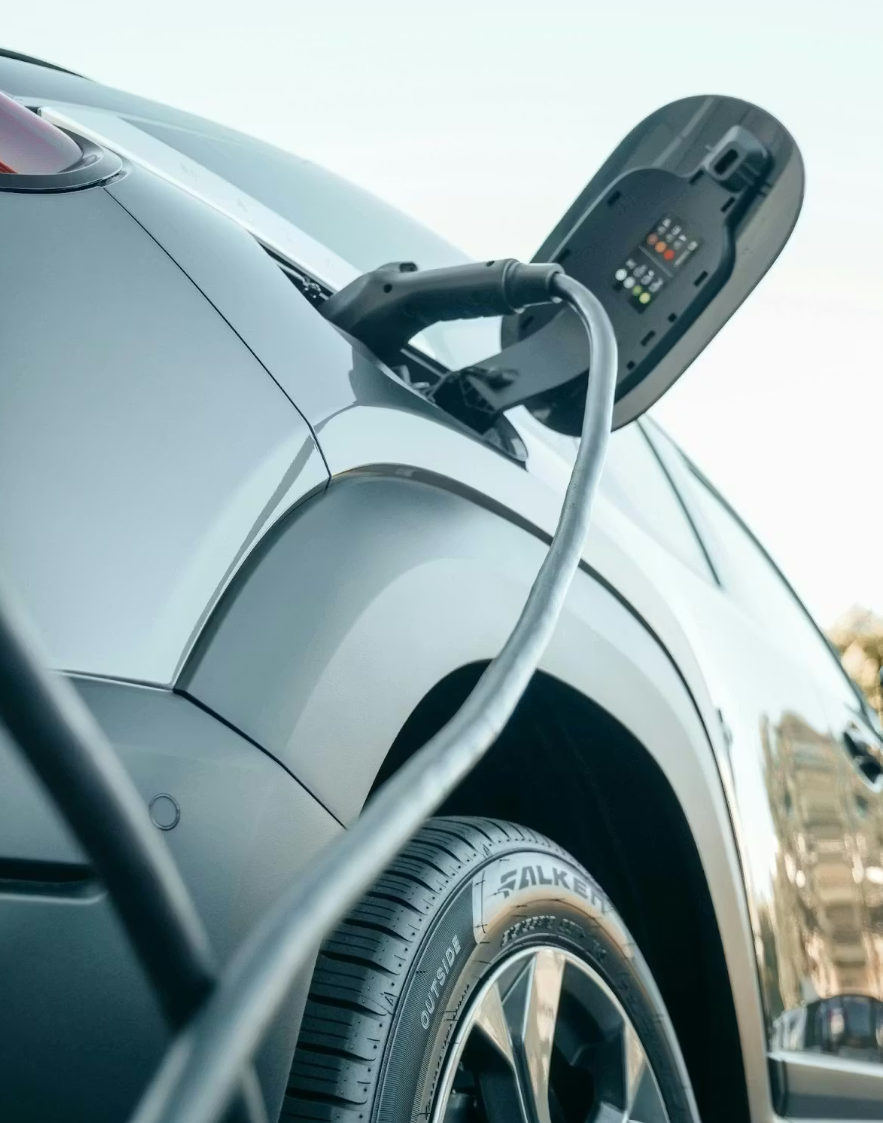
When we picked up our BMW 330E, it wasn’t just about getting a new car — it was about stepping into the EV adventure for myself. We’ve spent years hearing about battery breakthroughs and watching the shift toward electrification from the sidelines, but now I’m living it. The quiet start-ups, the smooth instant torque, the ritual of plugging in instead of filling up — it feels like being part of a larger movement powered by innovation. As technology continues to reshape everything from transportation to hearing aids, our 330E is my front-row seat to the battery revolution.
Over the last decade, there have been huge advancements in battery technology. This is improving everything from cars to hearing aids. Below, we’ll take a look at some of the biggest breakthroughs over the last decade and a half , as well as taking a glimpse into the current innovations shaping the future.
Solar-plus-storage systems
Solar power used to have one big limitation: the sun doesn’t shine 24/7. Developments into solar-plus-storage technology have solved this – excess energy produced during the day can now be successfully stored and used at night.
The plummeting costs of lithium-ion batteries have paved the way for this, while new LiFePO4 batteries have further improved safety and lifespan. As solar panels become more efficient, we could start to see solar power become the main energy source in homes and commercial buildings around the world.
Long range EV batteries
Huge leaps have meanwhile been made in electric vehicle battery technology, allowing EVs to drive further on a single charge. Range issues have, until now, been one of the biggest drawbacks preventing people from embracing these vehicles.
Tesla has been instrumental in popularizing the EV and improving range. More recently, BYD has been making promising innovations – particularly their solid-state EV batteries, which can pack more power into smaller cells. As this technology continues to get better, range anxiety could become a thing of the past.
Rechargeable hearing aids
Battery innovation is also transforming essential medical and assistive devices. Advancements in rechargeable hearing aid batteries have provided a new alternative to fiddly and environmentally unfriendly disposable batteries found in traditional hearing aids.
Previously, such technology was not possible without relying on bulky hearing aids. However, now lithium-ion batteries can be scaled down, making it possible to produce more discreet and stylish models that can be charged just like smartphones.
Quick charging technology
Another big improvement in rechargeable battery tech is faster charging. Companies like Qualcomm have been driving this technology, reducing the amount of time it takes to charge gadgets from hours to minutes.
Quick charging technology is becoming particularly important within the EV industry. Rapid chargers can now charge an EV to 80% in 30 to 60 minutes, while ultra-rapid chargers can do so in 10 to 20 minutes. Mass installation of these fast-charging stations at public fueling stations will further enable EV road trips and make electric trucks more popular.
Wireless charging
The dream of a cord-free world is also finally becoming a reality. Wireless charging has already become popular with smartphones and earbuds, but it’s rapidly expanding to laptops and wearable devices, and even cars with the invention of embedded charging pads.
In the future, we could start to see widespread wireless charging pads in all public spaces, so that people no longer have to worry about their smartphone dying. We could even see parking lots with bays that provide charging for EVs without having to plug in. This makes charging less messy as there is no need to trail cables everywhere.