


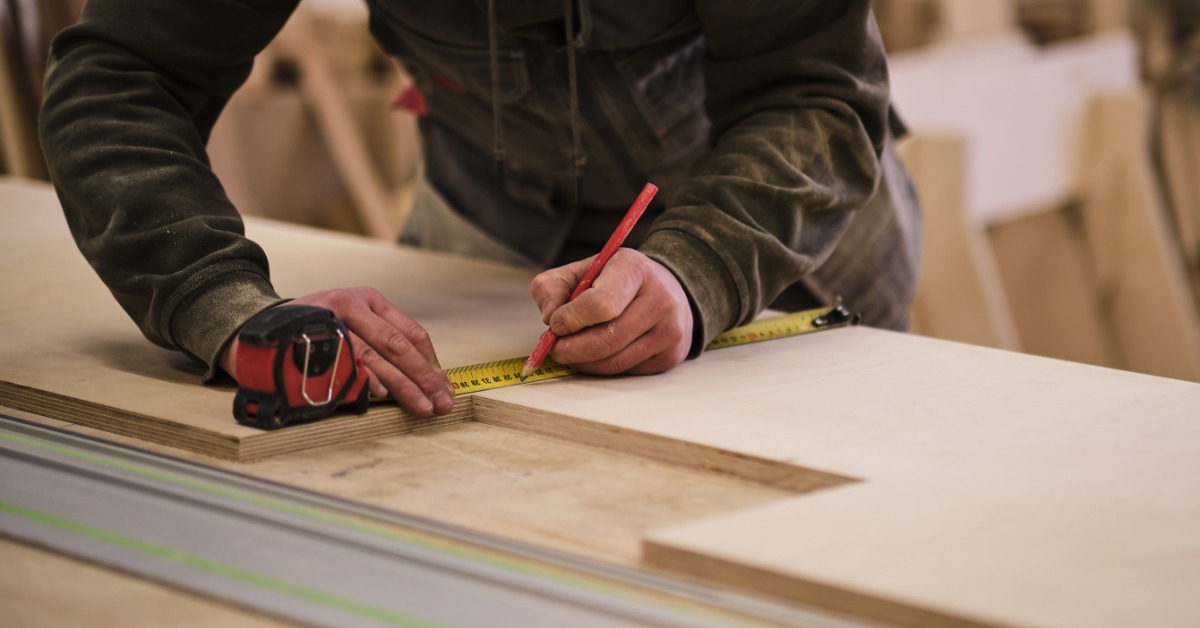
Long days in the workshop can wear you down faster than you expect, especially when small discomforts keep stacking up. A tool that feels awkward, a setup that makes you twist too much, or a floor plan that slows you down can all turn into strain by the end of the day. Explore practical ways to reduce strain in the workshop, making the work feel smoother, safer, and easier to keep up with without overcomplicating your routine.
Start With the Tasks You Repeat Most
The fastest way to spot strain in the workshop is to look at the jobs you do repeatedly. Reaching, stapling, lifting, trimming, or moving materials across the same area all day can add up quickly.
Even if each movement feels manageable on its own, repetition has a way of turning small issues into daily frustration. That is why it helps to pay attention to the tasks that quietly wear you out. Once you notice those patterns, you can start making smarter adjustments.
Make Tools Easier on Your Hands
Grip, weight, trigger pressure, and overall comfort matter more than people think, especially during repetitive jobs. If your hands, wrists, or forearms feel drained by the end of the day, the tool itself may be part of the problem.
That is why reducing ergonomic strain with the right stapler can drastically help workshops where repetitive fastening is part of the routine. The same idea applies to other hand tools, too. If something feels clunky, too heavy, or awkward to hold, it is probably slowing you down as much as it is tiring you out.
Pay Attention to Posture and Reach
You do not need a perfectly staged workstation to make things easier on your body, but posture does matter. If a task forces you to hunch over, reach too far, or work at an awkward angle for long stretches, that strain builds up quickly. The goal is to set things up so your body is not constantly working around avoidable discomfort.
That might mean adjusting table height, raising materials, or changing your position more often during longer jobs.
Set Up the Space to Work With You
Workshop strain does not only come from tools. Sometimes the layout is the real troublemaker. If you are constantly stepping around materials, twisting through tight areas, or carrying things farther than necessary, the setup is asking more from your body than it should.
That is also why keeping workplace pathways clear does more than improve safety. It helps the day move better as well. The less friction in the space, the easier it is to keep a steady rhythm.
Make the Workday Easier to Repeat
The main goal of these practical ways to reduce strain in the workshop is to make work feel easier to do again tomorrow. A better tool, a cleaner layout, and a smarter setup can all help take pressure off the body without slowing the job down or reducing product quality. When the workshop supports how you actually work, comfort and efficiency usually improve together.