


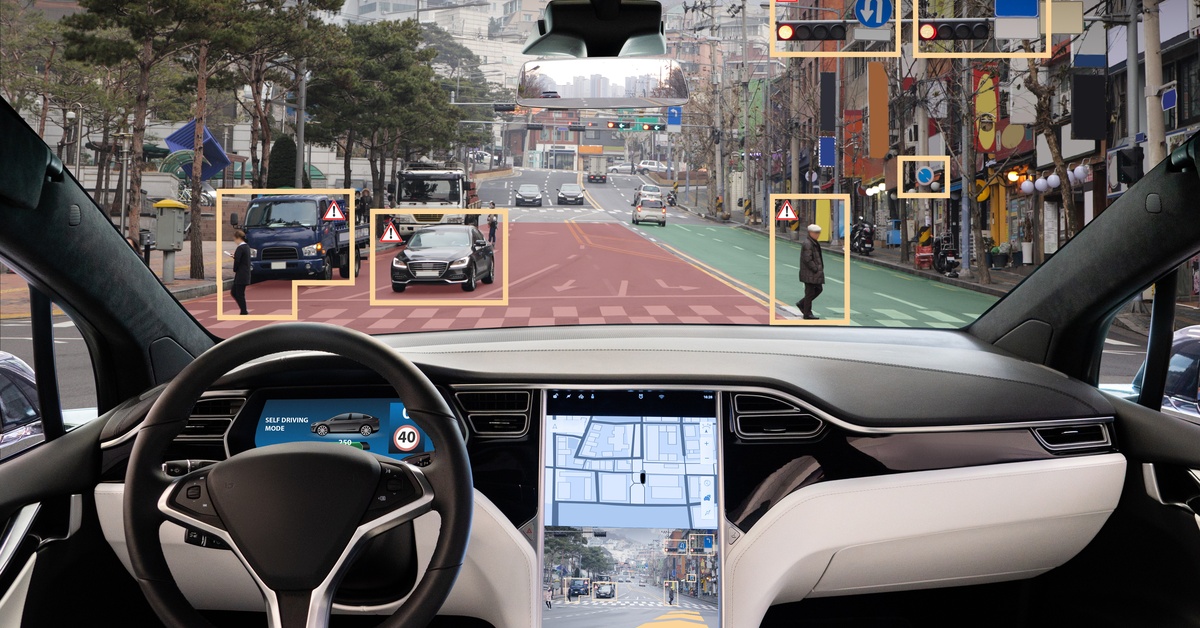
Autonomous vehicles represent one of the most complex technological achievements of our time. These self-driving cars combine multiple advanced systems to navigate roads without human intervention. Understanding the science behind autonomous vehicles reveals how artificial intelligence, sensors, and sophisticated engineering work together to create a revolutionary transportation experience.
How Autonomous Vehicles See the World
Self-driving cars rely on an intricate network of sensors to perceive their environment. LiDAR sensors emit laser pulses that bounce off objects, creating detailed 3D maps of surroundings. Cameras capture visual information about traffic signs, lane markings, and other vehicles. Radar systems detect the speed and distance of nearby objects, even in poor weather conditions.
These sensors generate massive amounts of data every second. Advanced computer systems process this information in real time, identifying pedestrians, cyclists, other vehicles, and road obstacles. The vehicle’s AI algorithms analyze patterns and make split-second decisions about steering, acceleration, and braking.
Processing Power and Decision Making
The brain of an autonomous vehicle consists of powerful onboard computers that run complex machine learning algorithms. These systems have been trained on millions of miles of driving data, learning to recognize countless scenarios and appropriate responses.
Neural networks within these computers simulate human decision-making processes but operate much faster. When a pedestrian steps into the street, the system identifies the threat, calculates the best response, and executes the action within milliseconds. This processing power far exceeds human reaction times, potentially making roads safer.
The Role of Connectivity and Infrastructure
Modern autonomous vehicles don’t operate in isolation. They communicate with other vehicles, traffic management systems, and road infrastructure through vehicle-to-everything (V2X) technology. This connectivity allows cars to share information about traffic conditions, accidents, and road hazards.
Smart traffic signals can communicate directly with approaching autonomous vehicles, optimizing traffic flow and reducing congestion. This interconnected system creates a more efficient transportation network than individual vehicles operating independently.
Power Systems and Technical Components
Electric and hybrid powertrains dominate autonomous vehicle design because they offer precise control over acceleration and braking. The integration of electrical systems extends beyond propulsion. Electrical connectors power autonomous vehicles’ extensive sensor arrays, computing systems, and communication devices. These connectors must maintain reliable connections despite constant vibration, temperature changes, and weather exposure.
The electrical architecture in these vehicles differs significantly from traditional cars. Multiple redundant systems ensure that critical functions continue operating even if primary systems fail. This redundancy proves essential for maintaining safety standards.
Practical Applications and Limitations
Understanding how you should and shouldn’t use the car’s features becomes crucial as these technologies enter mainstream markets. Current autonomous systems excel on highways and in predictable environments but struggle with construction zones, unusual weather conditions, and unexpected situations.
Drivers must remain attentive even when autonomous features activate. The technology serves as an advanced assistance system rather than a complete replacement for human judgment. Misusing these features by becoming overly reliant on automation can create dangerous situations.
The science behind autonomous vehicles demonstrates humanity’s ability to solve complex engineering challenges. These systems combine cutting-edge technology with practical transportation needs, potentially transforming how we move through the world while maintaining safety as the primary concern.