


You need a proper server infrastructure, and that means thinking carefully about physical space requirements. Maybe you’re moving your home business to a new office, or perhaps you’re simply ready to upgrade from that single computer tucked under your desk.
Many business owners focus on server specs and software capabilities while overlooking the physical environment these machines need to operate effectively. Your servers aren’t just boxes you can stick anywhere. They demand specific spatial considerations that directly impact performance, reliability, and longevity.
Size of Server Racks
Server racks come in different sizes to fit your needs. A standard full-size rack stands about six feet tall, but smaller options like 24U or 12U are available. Most racks are 19 inches wide, but be sure to check the depth of your equipment to ensure a proper fit. Also, leave space behind the rack for easy access and maintenance.
Stable Power Supply
A stable power supply is critical for keeping your server room operational at all times. Ensure you have enough space to accommodate backup power sources like UPS systems and generators.
Use dual power supplies for essential equipment to reduce the risk of outages. Separate power circuits for different systems can help prevent a single point of failure.
Cabling Access
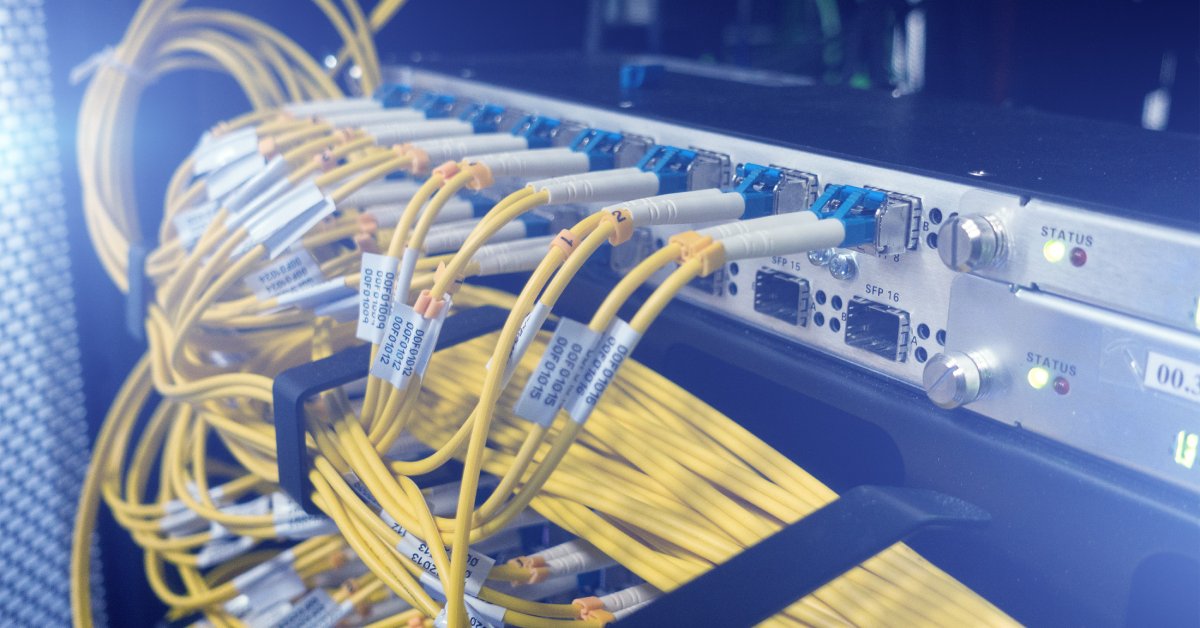
Network cables, power cords, and various interconnects create a web of connections around your servers. Plan your space to accommodate this reality rather than fight it. When you set up your infrastructure, make sure your server racks have cabling access by leaving plenty of room for it.
Route cables through overhead trays or raised floor systems when possible. This approach keeps cables organized and prevents tripping hazards.
Cooling Concerns
Servers generate substantial heat, and inadequate cooling can cause equipment to fail quickly. Calculate your heat load by adding up the power consumption of all your devices, then size your cooling system accordingly.
Position air conditioning units to create proper airflow through your server racks. Hot air should exhaust from the rear while cool air enters from the front. Avoid mixing these airstreams, as this reduces cooling efficiency and creates hot spots.
Room for Growth
Business needs change, so future expansion is one of those important space considerations you need to make for business servers. Leave room for additional racks, networking equipment, and storage systems you might add later.
Plan for increased power and cooling demands as you grow. Installing extra electrical capacity and oversized cooling systems initially costs less than upgrading later. Consider modular solutions that scale with your needs.
Poor spatial planning creates ongoing headaches, increases costs, and reduces system reliability. Take time to incorporate all of these space considerations for business servers from the start. Your future self will appreciate the foresight when your business grows and your infrastructure supports that growth seamlessly.