


When your car vibrates, it can be an incredibly unsettling and concerning experience. Understanding some of the common causes of vehicle vibrations can help you resolve these problems. Review these five reasons why your vehicle may be vibrating so you can get to the heart of the issue much faster.
Your Vehicle Has Worn Tires
Worn tread on your tires can create an imbalanced contact patch with the road surface, resulting in shaking in your vehicle. Bulges, flat spots, or separation in the tire structure can also create significant vibrations that worsen over time. Performing regular tire inspections and shopping for new car tires when the tread depth reaches the wear indicators can prevent these issues from developing.
Your Torque Converter Is Failing
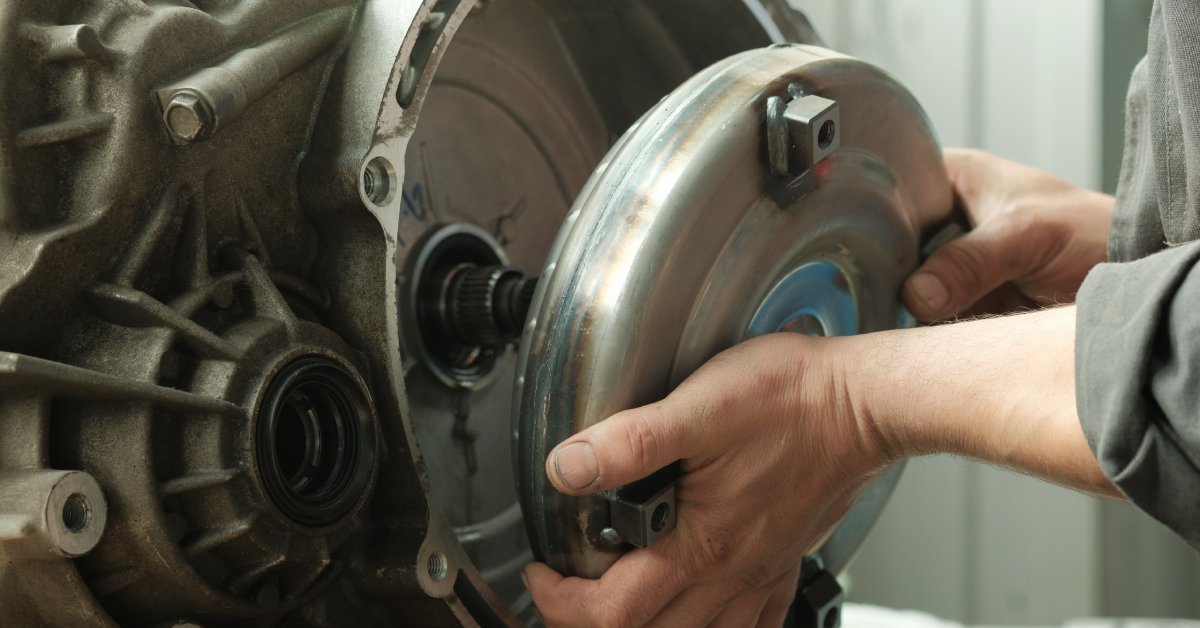
If you have an automatic transmission, your vehicle may be vibrating because your torque converter is failing. Common symptoms include vibrations that occur primarily when the car is in drive but stopped or during light acceleration from a standstill.
The vibrations may feel like a shuddering sensation that seems to originate from beneath the vehicle. Take time to review tips on choosing the best torque converter before you start shopping for one.
Your Tires Must Be Rebalanced
Even relatively new tires can develop balance issues over time due to standard wear patterns, road conditions, or the loss of wheel weights. Tire imbalance occurs when the weight distribution around the wheel and tire assembly becomes uneven, causing the tire to wobble slightly as it rotates.
The vibrations from unbalanced tires are usually felt most strongly in the steering wheel for front tire imbalances. In contrast, rear tire imbalances tend to cause vibrations felt throughout the vehicle’s body. Professional wheel balancing involves placing small weights on the rim to counteract heavy spots and restore smooth rotation.
Your Brake Caliper Needs Service
Brake system components can be a significant source of vehicle vibrations, particularly brake calipers that are sticking, warped, or unevenly applying pressure to the brake rotors. When a brake caliper fails to release correctly, it maintains constant contact with the rotor, creating heat buildup and uneven wear patterns that result in vibrations during driving.
This may cause your brake rotors to become warped, resulting in a pulsing sensation while braking. Contaminated brake fluid, worn caliper pistons, or damaged caliper slides can all contribute to uneven braking force application that manifests as vehicle vibrations.
The Engine Needs New Spark Plugs
One last reason why your car may be shaking is that it has fouled spark plugs. These may result in your engine misfiring and creating vibrations throughout the vehicle. When spark plugs fail to ignite the air-fuel mixture consistently, it disrupts the smooth power delivery from the engine’s cylinders.
This irregular combustion creates vibrations that you can feel through the steering wheel, seats, and floorboard. Carbon buildup, electrode wear, or incorrect gap spacing can all cause spark plug performance issues that result in engine vibrations and reduced performance.
Addressing vehicle vibrations promptly is essential for maintaining both comfort and safety while driving. Fortunately, by performing responsible maintenance, you can prevent many of these problems from developing into more serious and expensive repairs.