


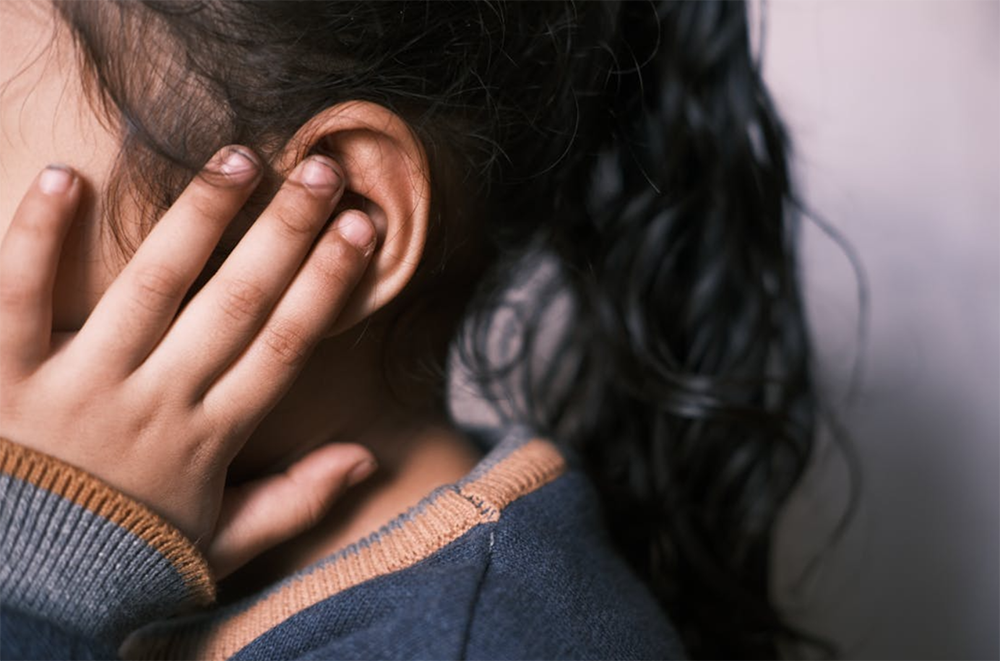
You’re not imagining it—modern life is loud. Traffic, appliances, school corridors, the endless ping of someone else’s phone. Your kid’s ears are busy, and so is their brain. No wonder “please put on your shoes” sometimes lands like static. The fix isn’t shouting louder or policing silence. It’s teaching listening the way you’d teach reading: a few smart habits, practiced daily, in real life. Small tweaks to your rooms, your routines, your tone. Nothing fussy. Nothing expensive. Just practical moves that help your child tune in faster, hear what matters, and respond without the tug-of-war.
Step One: Lower the Noise Floor
Listening gets easier when the background calms down. Start small. Close the door. Turn off the TV that no one’s actually watching. Move loud appliances (like the blender) to a time when conversations aren’t happening. In open-plan homes, park a soft rug under the play area; textiles soak up echo like a sponge. You’re not chasing silence—you’re shaving off the static.
Make Listening a Game (Not a Lecture)
Kids learn by doing, not by being told. Try quick, playful drills:
- Sound scavenger hunt: “Find three soft sounds and one sharp sound.”
- Freeze & focus: Play music, hit pause, and ask, “What did you hear right before we stopped?”
- Direction detective: Stand behind or to the side and call their name softly; they point to where the sound came from.
Each game builds sound awareness, which is the foundation of real listening.
Give Sound a Schedule
Ears need downtime. So does the nervous system. Create tiny rhythms that keep both in balance:
- 60/60 rule for headphones: No more than 60% volume for 60 minutes at a time.
- Quiet resets: Two minutes of no-tech between activities.
- Soft start mornings: Skip the TV until after breakfast. Talk, don’t shout—from the same room.
These tweaks aren’t dramatic, but over a week, they add up.
Conversation Cues That Actually Stick
You can’t coach listening from another room. Get close. Eye level. Calm voice. Try this mini-script:
- Connect: Say their name, wait for eye contact.
- One job at a time: “Shoes first. Then backpack.”
- Reflect: “Tell me what you heard.” (You’ll be surprised what sticks—and what doesn’t.)
- Praise the process: “Nice work listening. You caught that on the first try.”
You’re training focus, memory, and confidence—not just compliance.
When to Call in a Pro (It’s Simpler Than You Think)
If your kid often says “Huh?”, mixes up similar-sounding words, asks for repeats in everyday conversation, or complains about ringing after loud events, don’t wait for it to “go away.” A quick visit to an audiology doctor can rule out simple issues (like wax) or catch hearing and processing challenges early, when support is easiest and outcomes are best. Think of it like a vision check for the ears—routine, reassuring, and wildly useful.
Tech That Helps (Without Overcomplicating Your Life)
You don’t need a gadget wall to improve listening—just a few wise choices.
- Headphones: Choose over-ear models for better isolation at lower volumes. If your child needs to hear you while listening, open-ear styles can keep them connected to the room.
- Volume limiters: Built-in caps make it harder to crank to 11.
- Room tune-ups: Felt pads under chairs, fabric on the walls (even framed corkboard art) to cut echo.
- Smart speaker rules: Music is fine; background chatter isn’t. Give it a job or turn it off.
Build a “Quiet Culture” (That Still Feels Like Home)
Make it quite normal, not precious. Pick one daily moment when the house slips into low gear—after school, before dinner, or the last 20 minutes before bed. Dim the lights. Lower voices. Put a book or puzzle on the table. Even five quiet minutes before homework can reset attention in a way caffeine never could.
What Schools and Activities Can Do (Ask Nicely—It Works)
If your child struggles to follow group instructions, ask teachers or coaches for minor tweaks:
- Shorter directions, one step at a time.
- Visual cues (hand signals, written checklists).
- A consistent “call to attention” sound so kids know when to switch from play to listen.
These are easy wins, and most educators are happy to help when you show up as a partner.
The Quiet Payoff
Listening is the gateway skill. When kids hear clearly and process faster, mornings move, homework shrinks, and everyone’s shoulders drop a few inches. You don’t have to fight the volume of the world; you just need to shape the bits you can control—your rooms, your routines, your tone. Keep it practical. Keep it kind. And remember: in a loud world, your steady voice is the tool that matters most.