


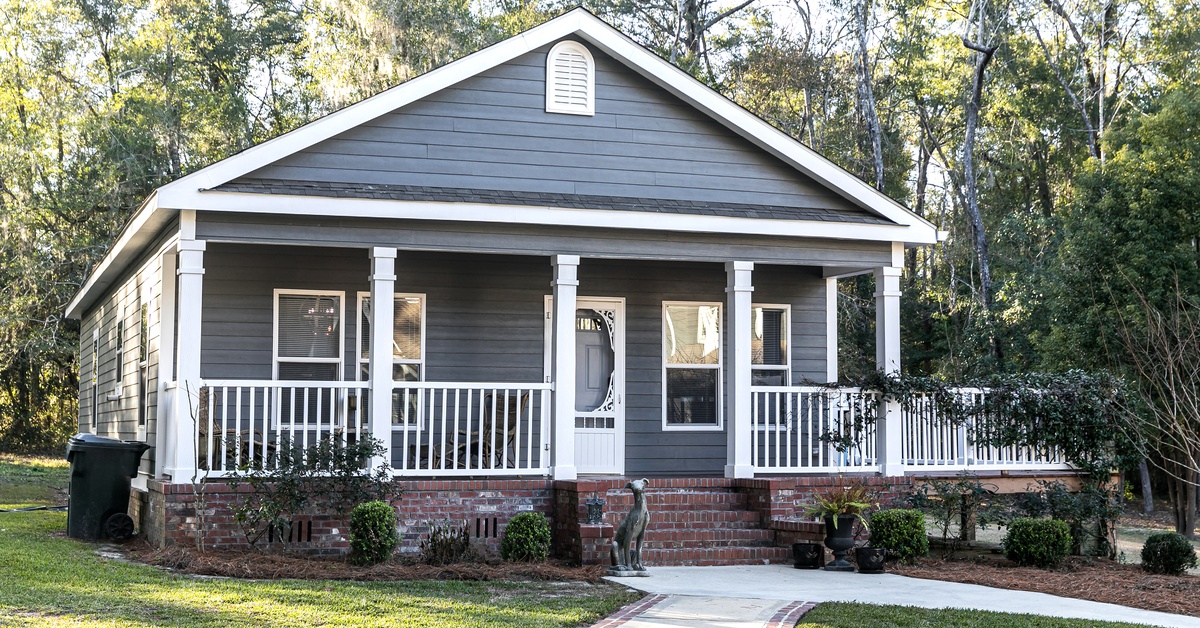
Winter brings unique challenges for manufactured home owners, but proper preparation makes all the difference between a cozy season and costly repairs. Manufactured homes face distinct vulnerabilities during cold months due to their construction and materials, making winterization crucial for comfort and protection. This checklist will help you prepare your manufactured home for winter.
1. Insulate Water Pipes
Water pipes in manufactured homes often run through areas exposed to cold air, making them particularly susceptible to freezing. Start by locating all exposed pipes under your house, in crawl spaces, and along exterior walls. Wrap these pipes with foam pipe insulation, which you can find at any hardware store for just a few dollars per section.
Pay special attention to pipes near exterior walls and in unheated areas. For extra protection in extremely cold climates, consider adding heat tape to vulnerable sections. Don’t forget about outdoor spigots and connections—disconnect garden hoses and install insulated faucet covers to prevent costly burst pipe repairs.
2. Seal Windows and Doors
Drafty windows and doors force your heating system to work overtime, driving up energy costs significantly. Walk around your home on a windy day and feel for cold air seeping through gaps around frames. Apply weatherstripping to door frames and window sashes where you detect air movement.
For single-pane windows, plastic window film provides an affordable insulation boost, reducing heat loss. Use expanding foam or caulk to seal larger gaps around window and door frames. Check storm doors for proper alignment and replace worn door sweeps that let cold air slip under. This maintenance will keep your home comfy all year.
3. Check and Clean the Gutters
Clogged gutters create ice dams that can cause water to back up under your roof, leading to expensive interior damage. Remove all leaves, debris, and standing water from gutters and downspouts before the first freeze. Pay attention to areas where gutters connect to the roofline, as these joints often develop leaks that worsen in winter weather.
Consider installing gutter guards if you live in an area with heavy leaf fall. You should position downspout extensions to direct water at least six feet away from your home’s foundation. Proper drainage prevents ice buildup that can damage both gutters and your home’s exterior.
4. Inspect the Roof for Damage
Your roof takes a beating from snow, ice, and winter storms, so addressing small problems now prevents major headaches later. Look for loose or missing shingles, damaged flashing around vents and chimneys, and any signs of sagging or structural issues.
Clean debris from roof valleys where snow and ice tend to accumulate. Trim overhanging tree branches that could fall during ice storms. If you spot any damage, contact a qualified contractor immediately—roofing repairs become much more expensive and difficult once winter weather arrives.
5. Service Your Heating System
A well-maintained heating system runs more efficiently and breaks down less frequently during peak winter months. Replace your furnace filter, as dirty filters restrict airflow and force your system to work harder. Schedule professional maintenance to clean components, check for gas leaks, and verify proper operation.
Air duct cleaning matters for both efficiency and air quality, especially if you notice dust buildup or musty odors when your system starts up. You’ll want to hire a professional for this task.
6. Prepare Your Skirting
Skirting around your manufactured home’s foundation provides crucial protection against cold air infiltration under your floor. Inspect all skirting panels for damage, loose connections, or gaps that allow cold air to enter. Replace damaged sections and secure any loose panels with appropriate fasteners.
Add foam board insulation behind skirting panels in areas with harsh winters. This extra barrier helps keep floors warmer and reduces heating costs. Check that foundation vents remain unobstructed while still providing necessary ventilation to prevent moisture problems.
7. Stock Up on Emergency Supplies
Winter storms can knock out power or make travel dangerous, so having emergency supplies on hand provides peace of mind. Store at least three days’ worth of water, non-perishable food, flashlights, batteries, and any necessary medications.
Keep extra blankets, warm clothing, and a battery-powered radio accessible. Stock up on ice melt, snow removal tools, and basic repair materials like duct tape and plastic sheeting. Having these supplies ready means you can handle minor emergencies without venturing out in dangerous conditions.
Following this manufactured home winter checklist will save you money, prevent damage, and keep your family comfortable throughout the winter months. Start with the most critical items like pipe insulation and heating system maintenance, then work through the remaining tasks before cold weather arrives. Your future self will thank you when you’re staying warm and cozy while others deal with winter emergencies.