


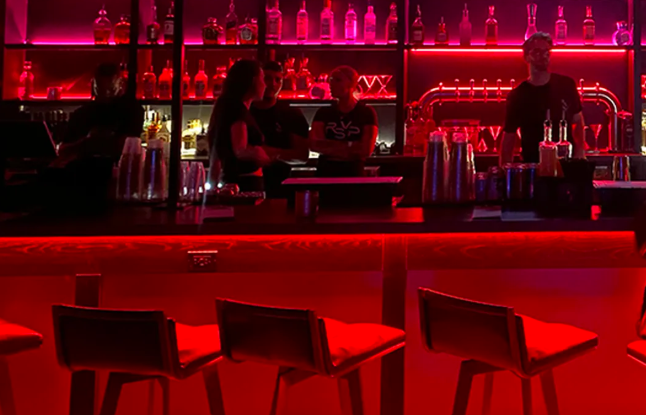
Walking into a bar should be easy. You can tell the difference between places that achieve this and those that fail after just a few minutes, even if the drinks are equally wonderful. It’s not one thing that makes a bar welcoming; it’s many things that come together just so.
Most people can identify a welcoming bar, even if they can’t explain it. They simply feel like staying. This isn’t an accident. It’s the result of choices made by people who know that being hospitable is more than just pouring a drink.
It Starts With the Arrival
First impressions come quickly. How fast staff acknowledge your presence; whether there is any confusion as to where to sit; how quickly staff make eye contact with you; these all set the tone for the service you will receive for the duration of your stay. If a bar is actually welcoming, it can handle greetings well in spite of what may be a hectic service environment.
Bars don’t take lighting seriously enough. Overhead fluorescents kill the vibe in any establishment and ensure that every guest looks exhausted. Warmer lighting alternatives help people breathe before they even sit down. This does not mean creating a pitch-black hideaway, but instead finding the perfect level of light that lets people see each other well without feeling on display.
The music volume is an ongoing battle. If the music plays too loud, it’s a challenge to converse. If it’s too quiet, every utterance sounds like an announcement. The right balance lets people hear it without compete with it. Music genre is definitely important, but getting the sound level right may be even more crucial.
The Layout Is Key
The way spaces are laid out can either ensure comfort or foster a sense of annoyance. A welcoming bar knows how to consider traffic patterns before they even open their doors. Guests can navigate through the space without attempting to avoid furniture. The bathrooms are not located in a place that requires guests to walk across prime seating areas. Picking up an order at the bar does not entail performing an awkward walk of shame through a crowded room.
Seating has different purposes. Bar stools are perfect for solo visitors or couples who want to interact with the bartender. Tables work best for groups. High tops are ideal for casual catch ups. A place that picks one style of sitting sends a message to some guests that they are not the intended audience. For those interested in how this looks in practice, a cocktail bar in South West London demonstrates how design can create real comfort.
The distance between seating has a huge impact on a venue’s feel. Cramped tables make for an uncomfortable experience. Tables too far apart kill the vibe. Good operators calibrate this spacing according to the type of groups they usually get rather than treating it like a static measurement.
Staff Make Things Welcoming
The way employees act behind and front of the scenes determines whether a bar feels inclusive or exclusive. Being friendly does not mean flooding customers with conversation or making them feel like their every need has to be met immediately. It means showing up and being available without being intrusive, and being useful without forcing advice upon guests. Recognizing situations, as opposed to reading a textbook, is something staff learn from experience. This sets apart substandard service from remarkable service.
Good training shows in how staff respond to questions from customers. When someone takes the time to understand the menu well, they can guide their guests without sounding patronizing. Confident suggestions show expertise.
The way staff deal with regulars in front of newcomers is critical as well. Inside jokes and overt favoritism make new patrons feel like they have stumbled into a club where they don’t belong. Acknowledging familiar faces while treating all customers with the same warmth levels the playing field. No one should feel unwelcome while entering what feels like an exclusive club.
It’s All in the Comfort
Controlling temperature may seem basic to some people, but it should never be taken for granted. Guests can’t take off their jackets if it’s cold, and they will still feel tense. If it’s too warm, places can become stuffy in an hour. Making adjustments according to the season shows someone knows what they are doing when it comes to creating comfort.
Cleanliness is about more than simply ensuring hygiene. A welcoming bar anticipates messes instead of waiting to respond to them as they happen. Dirty glassware does not pile up waiting to be washed after shifts have ended. Surfaces are wiped down in between guests and not only when things are quiet. Bathrooms need attention while service is ongoing and not only during individual guests’ visits.
The quality of furniture provides information about the business’s priorities. Wobbly tables and uncomfortable chairs signal that the venue cares more about how they look than about the customer experience. Quality furnishings don’t have to cost an arm and a leg; they just need maintenance and people should choose furniture that suits spending protracted periods sitting down, not perched awkwardly on ultra-modern-yet-non-functional stools for two hours.
Something Unquantifiable
Some bars just feel good. This is probably the most challenging thing to fake because it comes from authentic caring rather than design decisions. When employees actually enjoy showing up for work and seeing each other, patrons feel that energy in the space. The difference is evident when owners focus on connecting with their communities rather than concentrating on maximizing revenue per square foot.
Welcoming bars have repeat customers for a reason; they don’t switch up from one visit to the next. A customer receives the same experience regardless of which bartender serves them or what day of the week someone arrives at their favorite spot. They keep up standards consistent across measures while ensuring that the right vibe is welcoming across multiple groups attending at different points during the week.
The best bars know that they are not just serving drinks; they are providing an experience that stretches far beyond beverage menus. This sense of welcome keeps patrons coming back before someone finishes their first drink and long after they sampled everything on an extensive cocktail list. It allows venues to become weekly trips as opposed to one-time visits, and patrons recommended to friends without solicitation from other people at the bar.
Aligning all these factors takes work, calibration, and sustained effort as well as a willingness to provide genuine hospitality and care. When everything falls into place perfectly, patrons have somewhere that they feel relaxed at from beginning to end of their stay. That’s what makes somewhere a place where people just stop for some drinks rather than yet another spot on repeat in someone’s visit planner.


[…] only to find the energy flat by 8pm. True vibrancy is engineered, not accidental. According to hospitality research, a lively bar experience depends on multiple interacting levers, including welcoming service, […]