


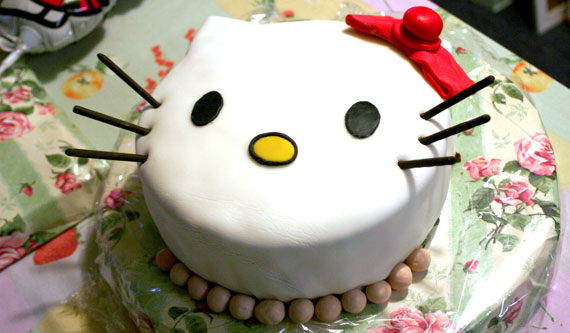
People generally think that they can order a custom cake from a bakery just by bringing in a picture and getting exactly what’s seen. Truth be told, it’s a bit more behind-the-scenes with back-and-forth than expected, but honestly, that’s what results in a successful culinary endeavor in the first place.
Where professional bakeries come up with the logistics to transform vague ideas into works of art, it’s not always an orderly process from the first request to the finished product. And while the ultimate goal is a shared one, it starts with a person bringing in several pictures that don’t quite make sense together, a color that probably won’t translate well to icing, and maybe even a theme that sounds appropriate until three-dimensionalized.
Thus, no one should think it begins with the client leaving and the baker simply re-creating it.
The Preliminary Inquiry
This is where a good professional custom baker comes in; instead of just taking notes and giving a mark of approval, they’re asking questions that most clients haven’t even thought
of yet. How many people does this need to serve? What’s the temperature of the venue going to be? Will this cake be outside in July or inside at an air-conditioned ballroom? Is there anyone in attendance with food allergies or aversions to particular flavors?
While these seem like logistical concerns, they’re reality-based inquiries that shape what’s even possible. A cake covered in fresh flowers might be one thing, but require something else with fondant work. A giant five-tier masterpiece looks great in pictures but won’t arrive unscathed to a venue an hour away.
Professional bakers also know how they need to bridge the gap between what looks good in pictures and what tastes good upon delivery. For instance, fondant creates the smooth aesthetic everyone loves on Instagram but not a lot of people actually enjoy eating. Buttercream generally tastes better but doesn’t have the same crafting abilities. But the experience makes the difference here; the custom baker has learned from good examples and brought negative ones to people’s attention.
The Design Phase
This is where a good professional custom baker comes in. When people work with professionals from sweetesbakeshop.com, the baker won’t just take notes and not question anything. Instead, they’re asking questions that most clients haven’t even thought about yet, to make sure everyone is on the same page. How many people does this need to serve? What’s the temperature of the venue going to be? Will this cake be outside in July or inside at an air-conditioned ballroom? Is there anyone in attendance with food allergies or aversions to particular flavors?
This part usually leads to some disappointment. That sugar flower arrangement takes hours of expertise to create. The hand-painted feature requires specific icings and timing measures. The gold metallic embellishments require food-safe applications and more expensive properties than average customizations.
At this point, professional bakers usually present sketches or technological mock-ups so as not to put someone under the impression that “light pink” means “hot magenta.” Invariably, people will imagine a romantic soft pink and the baker will interpret it differently. Colors are tripped up on because frosting doesn’t always equate to fabric or Pantone swatches; natural dyes yield muted shades while artificial colors produce brighter versions at the expense of flavor.
The Flavor Consultation
But ultimately, it’s not design that matters most; it’s flavor. Bakeries have a regimented list of what usually works well together, but this is often a time when custom orders are born.
However, custom means that not everything works well together, and it’s not always baking-friendly. A light cake cannot withstand heavy decorations. Certain fillings need refrigeration, but others can remain at room temperature. Certain fruits release water over time that becomes bothersome in layers.
It’s important for bakers to educate their clientele, depending on how the cake will be served, immediate gratification is much different than 5pm photo op time followed by cutting at 7pm. Fresh fruit fillings taste delicious when made but over time fail to hold up well. Buttercreams can get watered down or become loose outside under certain conditions.
The Engineering Behind It All
It’s hard for most people to recognize how much architecture is necessary behind proper cakes. Anything beyond two layers needs support. Dowels, boards, and sometimes hidden structures keep tiers up above one another. Baker’s need to gauge weight displacement, particularly if cakes have offset tiers or are sculpted, as they have to consider how it will travel, sit at an event and cut once time arrives.
Needless to say, it’s all about the weather. Summer outdoor events require different temperatures than indoor winter events. Venues where there is no air conditioning need to better account for disintegrating capabilities, and even wobbly tables play into it if a cake has been set on an inappropriate surface.
Final Delivery
From here, it’s about timing everything in reverse; most decorations taste better within certain time frames, so bakers need to make all considerations working backwards from when their cake is supposed to show up on site for celebration. Some get decorated days before; some get started in advance and get finished just in time while others get positioned just before it’s time for pictures.
Flowers can’t wilt; chocolate decorations don’t do well too cool temperatures; metallic shouldn’t be added until last minute unless baker knows what she’s doing to avert any failures down the road.
In making everything work internally, it’s no wonder that custom cakes take longer and are more expensive than getting something from behind glass. What looks so simple is compounded by planning, problem-solving and expertise for hours behind something that finally satisfies customer desires. When perfect, it’s even better than what someone could even have even imagined from the start.