


Manufacturers know the frustration: a product passes design review, clears initial testing, and still fails during production. A small flaw in protection, assembly, or design can ripple across thousands of units. When that happens, failure rates climb, warranty claims increase, and production teams scramble for answers.
Reducing electronics failure rates in production starts long before the assembly line moves. Let’s break down the practical steps that make the biggest difference.
Start With Reliability-Focused Design
Many electronics failures trace back to early design choices. Engineers often focus on performance targets and overlook environmental stresses that appear during real-world use.
Manufacturers should evaluate vibration, temperature swings, moisture exposure, and handling stress during the design phase. If those conditions remain unaddressed, redesigning becomes expensive and disruptive.
Protect Sensitive Components From the Environment
Electronics fail due to gradual exposure to moisture, dust, and vibration, which slowly weakens components. Manufacturers reduce risk with protective materials and enclosures. Encapsulation, sealing, and controlled airflow all help maintain stable operating conditions.
Some production teams also evaluate protective techniques like low-pressure overmolding, which surrounds delicate electronics with protective material while minimizing stress on components. In environments where vibration, contaminants, or moisture remain constant risks, this protection can improve long-term reliability.
Standardize Assembly Processes
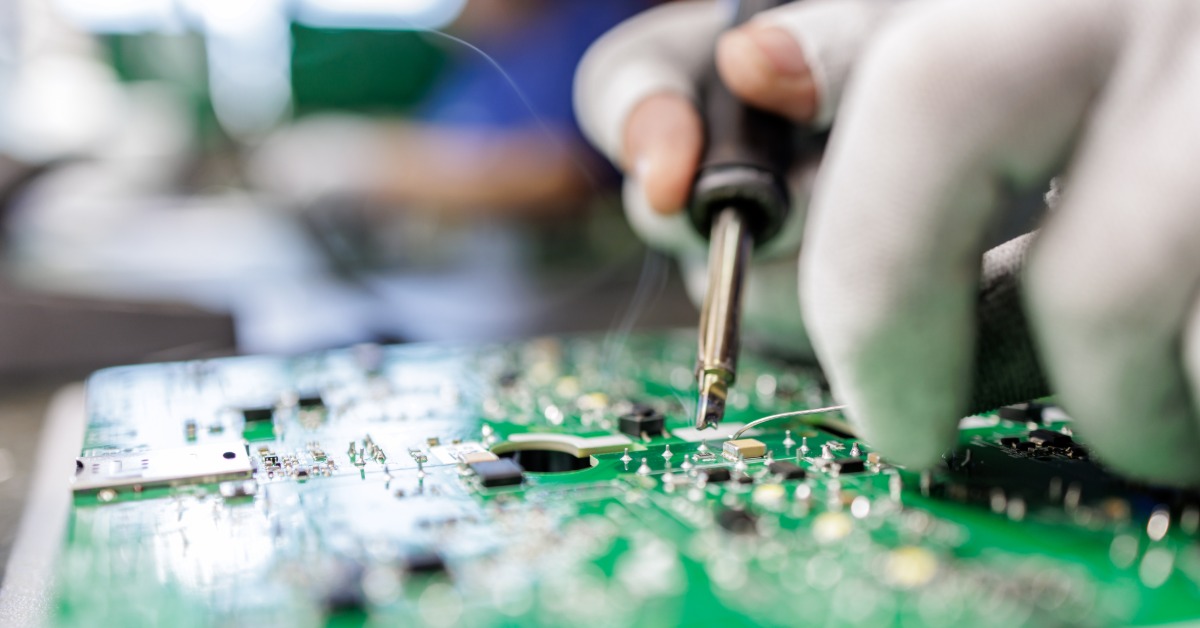
Inconsistent assembly introduces avoidable defects. Small variations in torque, solder quality, or component placement create reliability issues weeks or months later.
Production teams reduce those risks by documenting clear procedures and enforcing repeatable workflows. Operators should follow identical steps for every build.
Training also plays a major role. When technicians understand why certain steps matter, they execute them more consistently.
Design Products That Support Manufacturing
Manufacturers sometimes inherit designs that look great on paper but create problems on the production floor. Tight tolerances, difficult component access, and fragile layouts complicate assembly.
Designers who collaborate with manufacturing teams avoid those pitfalls. They create layouts that simplify wiring paths, improve component spacing, and reduce mechanical stress.
Modern manufacturing strategies increasingly emphasize design-driven improvements for production. These thoughtful engineering decisions strengthen product reliability while improving manufacturability.
Monitor the Most Common Failure Points
Most production issues cluster around a few recurring weaknesses. Manufacturers can dramatically improve reliability when they monitor known failure points, such as:
- Solder joint fatigue from vibration
- Connector loosening during transport
- Moisture infiltration near seams
- Thermal stress around power components
- Insufficient strain relief on wiring
Tracking these patterns helps teams intervene before defects spread across large production batches.
Build Feedback Loops Into Production
Production environments generate valuable data every day. Unfortunately, many manufacturers overlook the insights hidden in test failures and repair logs.
Teams that actively analyze failure reports uncover patterns quickly. They identify root causes, adjust processes, and prevent future issues.
When production engineers, quality teams, and designers share information regularly, improvements happen faster. That collaboration plays a major role in reducing electronics failure rates across the entire manufacturing lifecycle.
Electronics reliability emerges from hundreds of thoughtful decisions across design, protection, and manufacturing. Manufacturers who strengthen assembly processes and collaborate across teams see measurable improvements in product durability.