


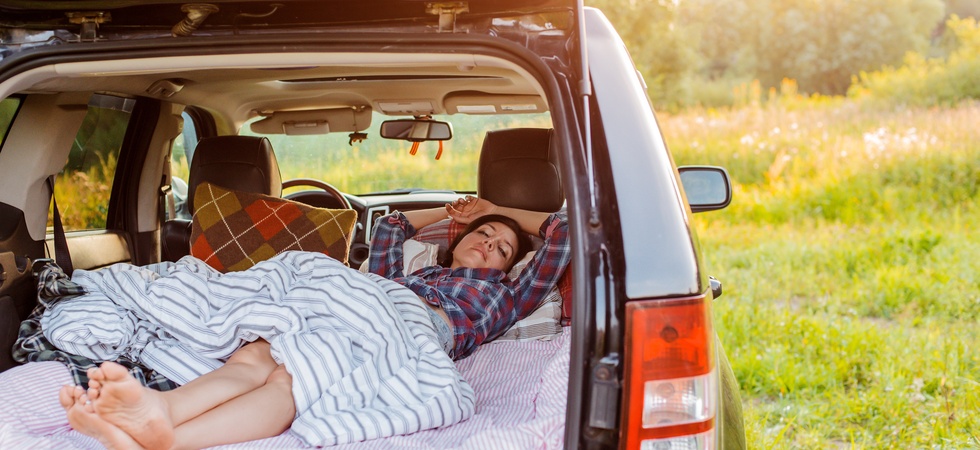
Car camping offers a fantastic way to explore the great outdoors with more comfort and convenience than traditional backpacking provides. You can bring extra gear, enjoy a cozier sleeping setup, and maintain the flexibility to travel anywhere your vehicle can reach. This guide on how to go car camping safely begins with planning your route, researching safe campsites, and ensuring your vehicle is in top condition before departure.
Packing essentials such as emergency supplies, proper lighting, and food storage solutions reduces risks and enhances comfort. With careful preparation, your car camping adventure becomes not only enjoyable but also secure, offering memorable experiences in the beauty of nature.
Choose Your Vehicle Wisely
The type of vehicle you choose will significantly impact your camping experience, so select one that matches your travel plans. Determine whether you need a daily driver or a workhorse diesel engine; the latter is essential if you are planning to tow a trailer.
An SUV or minivan offers ample interior space for sleeping and storage, making them popular choices for comfort on the road. For more rugged adventures, a truck with a camper shell or a vehicle with all-wheel drive can handle challenging terrain with ease. If you plan to bring extra gear, such as kayaks or bikes, consider a car with good towing capabilities and a torque engine.
Plan Your Location and Itinerary
Proper planning is crucial for a safe and successful car camping trip, so research your destination thoroughly before you leave. Many national and state parks offer designated campsites with amenities, which provide a secure and structured environment for your adventure. If you prefer a more secluded experience, look into dispersed camping on public lands, but be sure to check local regulations first. Share your detailed itinerary with a friend or family member, including your planned route and expected return date, for added safety.
Pack the Right Gear for Safety
Packing the right equipment is crucial, and your choices will depend on your destination, the season, and the length of your trip. Make sure you pack all the road trip essentials for remote locations, including a first aid kit, navigation tools, and extra food and water.
Having a reliable power source, such as a portable battery or solar charger, will keep your devices charged and ready for emergencies. For example, travelers heading into desert regions often carry double the recommended water supply to stay safe in extreme heat and meet drinking and cooking needs.
Enjoy The Open Road
A well-planned car camping trip allows you to enjoy the freedom of the open road while staying safe and comfortable. Planning a safe car camping trip involves choosing the right vehicle, selecting a secure destination, and packing the necessary gear, from bedding and cooking supplies to safety essentials. Preparation not only ensures comfort but also minimizes risks, such as vehicle breakdowns or unsafe campsite conditions. With these strategies in mind, you can confidently embark on a secure, exciting adventure and create unforgettable memories in the great outdoors.