


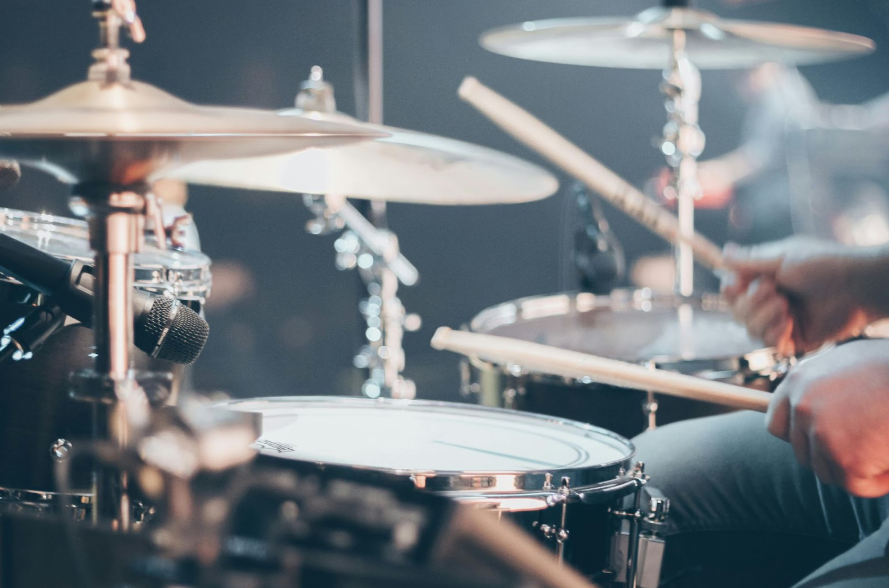
As a bass guitar player, I’ve always lived in the pocket—locked in with the kick drum, standing just a few feet from a crashing cymbal and a pounding snare. Night after night, rehearsals and live shows meant feeling the music not just in my hands, but in my chest and ears. I never thought much about the volume because it was part of the energy, part of the experience. But over time, the ringing after gigs lasted longer, conversations sounded more muffled, and I realized that being so close to a drum set and stage monitors had taken a toll. Hearing loss isn’t just something that happens to “other people”—for musicians like me, it can quietly become part of the cost of chasing the groove.
Hearing loss can affect anyone, but there are certain individuals who are most at risk. It could be important to know whether you fall into one of these high-risk categories – there may be ways of reducing damage, or it may be a sign that you need to consider more regular testing. Below are some of the groups most at risk of hearing loss.
Individuals with diabetes
Studies have found that people with diabetes are twice as likely to experience hearing impairment as people who don’t have diabetes. High blood glucose levels are known to cause neural damage around the body. This can include damage to the auditory nerves.
Fortunately, taking steps to manage your blood sugar levels through exercise and diet can often help to reduce the risk of heat loss. Regular hearing screenings could also help you to act early once impairment starts to occur.
Musicians and live music fans
Live music tends to be played at loud volumes and regular exposure can make you more prone to hearing loss. Whether you are a performer yourself or an avid concert attendee, it’s important that you start taking hearing protection seriously before you start becoming unable to clearly hear the music you love.
If you experience tinnitus (ringing in the ears) after a music event, it is a sign that hearing damage has already occurred and you should rest your ears for a while after to prevent damage from becoming permanent. A great way to continue attending regular events as a musician or listener is to wear specialist music-targeted earplugs, which aim to reduce damage while still providing clarity. Get your hearing tested if you start to notice major muffling or ringing in your ears.
Construction and manufacturing workers
Construction sites and factories can be some of the loudest work environments. While modern tools are being designed to emit less noise, the average volume of these workplaces is often still well above the healthy decibel limit.
Wearing earplugs or ear defenders – especially when using loud machinery – could prevent you from experiencing noise-related hearing loss. Your employer should ideally provide hearing protection (and if they refuse to, you can sue them). If you think you may have already started experiencing hearing loss, consider scheduling a hearing test to get an official diagnosis. This will also allow you to explore options like hearing aids if necessary.
Individuals over 65
Did you know that hearing loss can occur naturally as a result of aging, regardless of your lifestyle? As much as 1 in 3 adults over the age of 65 is believed to have some form of hearing loss, while the figure is thought to be as high as 50% for those aged 70 and over.
Regular hearing exams are recommended as you get older. If it is discovered that you do have hearing loss, a hearing aid can be prescribed to help restore some hearing. Hearing aids aren’t a cure, but they do make hearing quality a lot better, and there are now many different types to choose from – including options that are relatively cheap and discreet.