


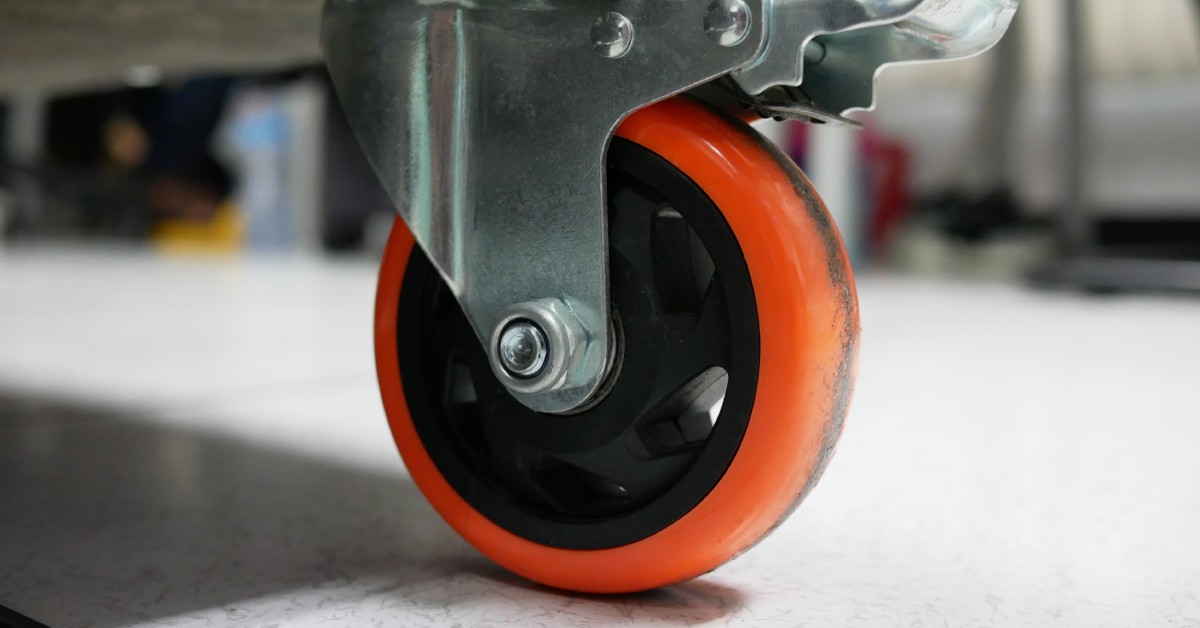
Project managers and business owners often focus on high-level strategies to improve their bottom line. They analyze supply chains, upgrade software, and refine labor schedules. However, overlooking the physical hardware on the shop floor can cause setbacks. The wheels on your carts, racks, and dollies play a surprisingly large role in your daily throughput. This post examines how casters impact industrial operational efficiency and why upgrading these small components yields high returns.
Choosing the Right Material for the Job
Your manufacturing environment dictates which wheel materials will succeed and which will fail. Using a standard rubber wheel in a high-heat bakery or a chemical processing plant invites disaster. Extreme conditions destroy inferior materials, which can seize wheels and stall production lines.
You must select materials that can withstand your facility’s challenges. For example, phenolic resin for casters uses specialized thermosetting plastics to resist heat up to 250 degrees Fahrenheit while maintaining structural integrity. Choosing durable materials prevents frequent replacements and keeps your equipment moving.
Reducing Physical Strain and Rolling Resistance
Worker fatigue tanks productivity. If a cart requires excessive force to push or pull, your team will move more slowly and tire faster. High-quality casters feature precision bearings and advanced tread designs that lower rolling resistance.
Employees can move heavy loads with minimal effort when equipment glides smoothly. This ergonomic advantage reduces the risk of workplace injuries and keeps energy high throughout the shift. Speed increases naturally when physical barriers disappear.
Protecting Your Facility Assets
Industrial floors are a major capital investment. Steel or iron wheels might support heavy loads, but they often chew up concrete and leave permanent gouges. This damage creates safety hazards for forklifts and pedestrians and requires expensive repairs.
High-performance casters balance load capacity with floor protection. The benefits of choosing the right caster tread include:
- Preventing unsightly marking on epoxy or polished concrete
- Reducing noise pollution in busy workspaces
- Absorbing shock to protect fragile materials during transport
- Eliminating the need for frequent floor refinishing
Integrating Hardware Into Management Strategy
You must take a holistic view of your business to ensure operational success. You cannot separate your physical assets from your management philosophy, as reliable equipment supports reliable systems. If your carts break down, your sophisticated inventory system will fail to matter as the product sits.
Consistency is an important part of running your business more efficiently. Eliminating variable equipment failures allows you to predict timelines accurately. Meanwhile, dependable hardware enables you to promise tight deadlines to customers and keep them.
Prioritizing Component Quality
Ignoring the condition of your rolling equipment limits your facility’s potential. Select the correct materials, and prioritize ergonomics to build a smoother, faster, and safer operation. Making small upgrades to your casters will improve industrial operational efficiency and workflow.