


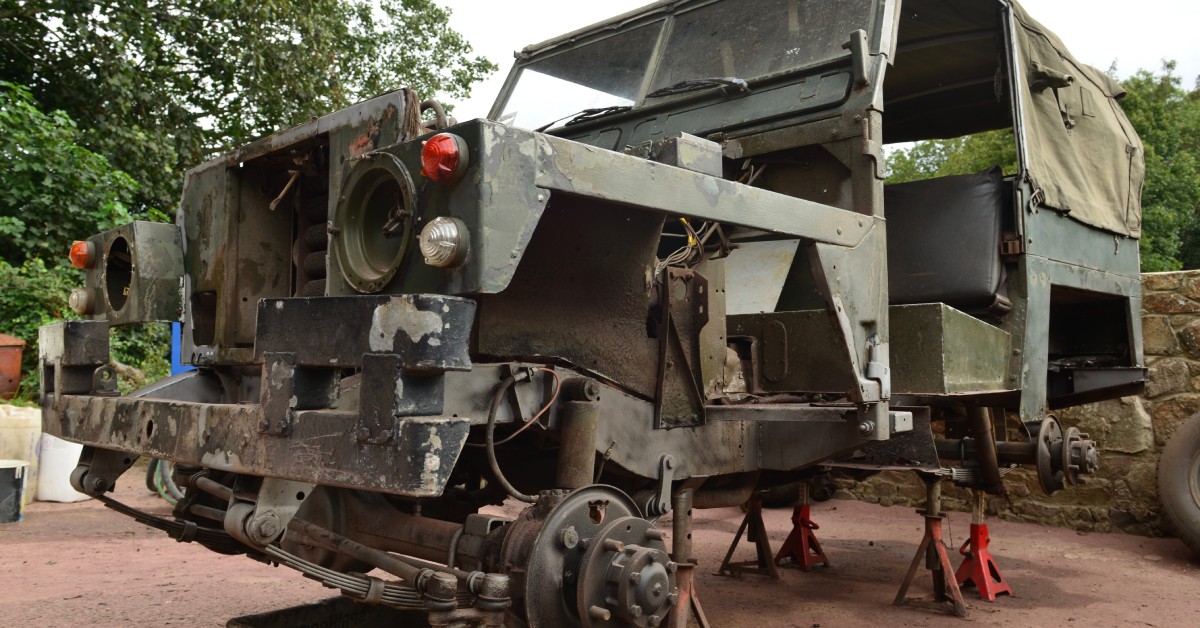
A true restoration project commands respect because it requires dedication to detail and historical accuracy that few enthusiasts possess. The goal is to preserve a piece of history exactly as it rolled off the assembly line decades ago, honoring the engineering and design choices of that era.
Every bolt, fabric swatch, and mechanical system tells a story about the period in which the vehicle was at its prime. Learning how to maintain authenticity in Jeep restorations will help reflect the true character of the vehicle to achieve the true experience.
Master the Art of Period-Correct Paint
Selecting the correct paint code is a fundamental step that separates a casual refurbishment from a museum-quality restoration effort. You must research the specific color palettes offered during the production year of your Jeep to ensure the exterior finish is historically accurate. Modern paints often have a different sheen or texture than the finishes used in the mid-twentieth century, so careful application is necessary.
Source Original Manufacturer Parts
One of the most effective ways to increase the value of a vintage Jeep is to prioritize Original Equipment Manufacturer components over cheaper aftermarket alternatives. You should scour swap meets, online forums, and specialized salvage yards to find authentic pieces that match the exact year and model of your vehicle. If you accept substandard replacements, the overall integrity of the build suffers, and collectors will immediately notice the discrepancies in the restoration.
Focus on Mechanical Accuracy Under the Hood
The engine bay often reveals the true depth of a restoration because many people overlook the small details hidden beneath the hood. You must verify that the engine block, carburetor, and even the hose clamps correspond to the equipment installed at the factory. Learning the common mistakes when rebuilding Jeep engines can prevent the installation of modern components that clash with the vintage aesthetic.
Preserve the Interior Upholstery and Trim
The interior of a vintage Jeep is sparse compared to modern vehicles, which makes every detail stand out even more to observers. To maintain authenticity in Jeep restorations, you should source fabric or vinyl that matches the original grain and stitch patterns used first. Dashboard gauges and control knobs must also align with the specific model year, as these small elements significantly impact the cabin atmosphere.
Resist the Urge to add Modern Upgrades
Many owners feel tempted to install modern sound systems or lift kits, but these additions detract from the historical purity of the build. You should appreciate the vehicle for what it was designed to be rather than trying to force it into a modern mold. A stock suspension and original brake system might feel primitive today, but they are essential to the authentic driving experience you seek.
Maintaining authenticity in a Jeep restoration is a rigorous process that demands patience, research, and a commitment to historical truth. While it might be easier to modernize certain aspects, the true value lies in the imperfections and quirks of the original design. An authentic restoration honors the legacy of the Jeep brand and ensures that future generations can appreciate these machines in their purest form.