

Getting your motorcycle license opens up a world of freedom on two wheels. The process requires preparation, practice, and patience, but the reward of hitting the open road makes every step worthwhile. This guide walks you through everything you need to know to earn your motorcycle endorsement and start riding legally.
Know Your State’s Requirements
Each state has different requirements for motorcycle licensing. Most require you to pass both a written knowledge test and a skills test, while some offer alternatives, like completing a motorcycle safety course instead of taking the skills test. Contact your local DMV or check their website to understand exactly what your state requires.
Get the Right Gear
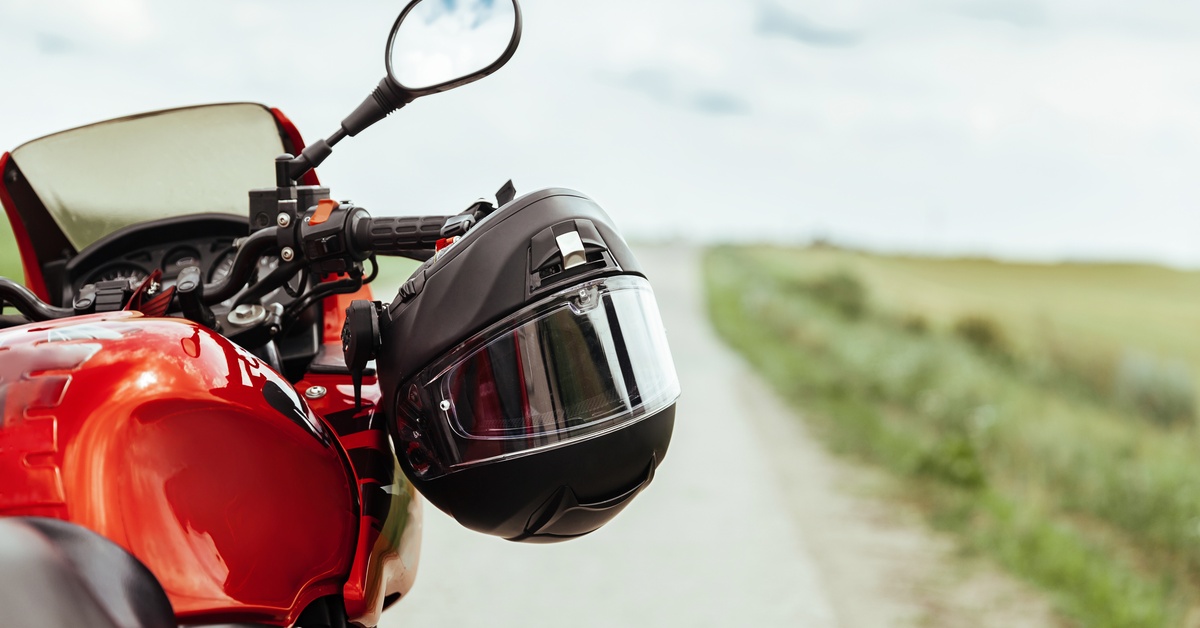
Wearing the proper gear is among the most important safety tips for riding. You’ll need a DOT-approved helmet, sturdy boots that cover your ankles, long pants, and a jacket with long sleeves. Gloves protect your hands and improve your grip, and bright colors or reflective materials increase your visibility to other drivers.
Don’t skimp on quality when choosing gear. Your equipment needs to protect you during your skills test and every ride afterward.
Consider Taking a Safety Course
Motorcycle safety courses teach essential skills while potentially providing a path to skip your state’s skills test. The Motorcycle Safety Foundation offers courses nationwide, and many community colleges provide training, too. These courses typically span a weekend and include both classroom instruction and hands-on riding practice.
Instructors teach you proper techniques for starting, stopping, turning, and emergency maneuvers. You’ll practice on a closed course before venturing into traffic. Many insurance companies offer discounts for completing an approved safety course, which can offset the course fee.
Practice Your Skills
If you choose to take your state’s skills test instead of a safety course, practice is essential. You’ll need access to a motorcycle and a safe place to practice. Empty parking lots work well for learning basic maneuvers like tight turns, figure eights, and quick stops.
Master the skills your test will evaluate. Common test elements include navigating cones, making sharp turns at slow speeds, and demonstrating proper braking technique. Practice until these maneuvers become second nature.
Prepare for Test Day
Arrive at your test with all required documents, including proof of identity, residency, and any completed training certificates. Bring a motorcycle that’s street-legal, registered, and insured. The bike should be in good working condition with functioning lights, signals, and brakes.
If your test takes place on a snowy day, a bit of extra practice will be crucial. You need to stay safe while riding your motorcycle in the winter, as conditions become more challenging.
Getting your motorcycle license marks the beginning of your riding journey. The preparation you do now sets the foundation for years of safe, enjoyable riding. Take the process seriously, invest in quality training and gear, and remember that earning your license is just the first step in becoming a skilled motorcyclist.