


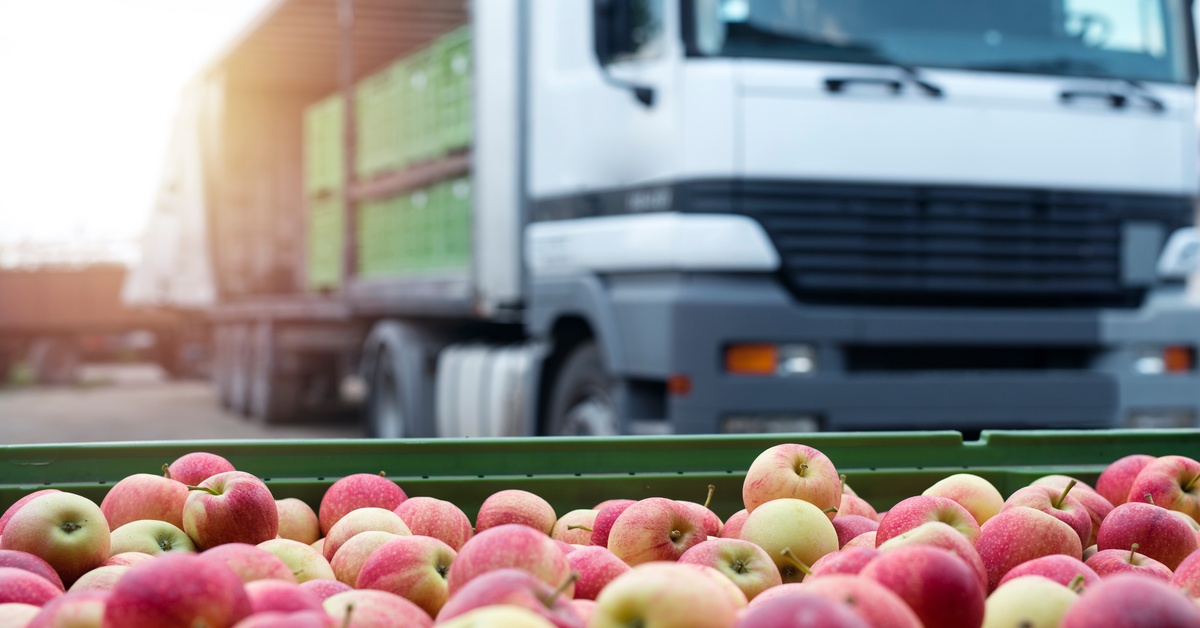
Fresh produce loses its appeal quickly when damaged during transport, and nothing hurts your reputation faster than wilted greens or bruised tomatoes at your market stall. The journey from farm to market may be treacherous for delicate fruits and vegetables.
You need the right techniques and equipment to ensure your hard-earned harvest arrives in perfect condition. Use these tips to safely transport produce to the farmers market and maintain your customers’ trust in your quality produce.
Vehicle Preparation
Your transport vehicle becomes a mobile storage unit that needs careful preparation before loading any produce. Regularly sanitize crates, containers, and trucks to avoid contamination when shipping produce. Use food-safe sanitizers to eliminate bacteria and contaminants that could spoil your harvest while keeping them safe to eat.
Test and calibrate temperature control systems to maintain consistent conditions throughout the journey. Check that your refrigeration unit functions properly and maintains the specific temperatures your produce requires. A well-prepared vehicle forms the foundation for successful produce transport.
Container Selection
The containers you choose make the difference between fresh produce and damaged goods at market. Use wooden pallets to transport produce and provide excellent airflow and stability for heavier items like watermelons or cases of canned goods.
Plastic crates with ventilation holes work well for most fruits and vegetables, while lined containers protect delicate items from moisture and contamination. Select containers that stack securely without crushing the produce underneath. The right container system protects your investment while maximizing space efficiency.
Packing Techniques
Strategic packing prevents damage and maintains freshness during transport to your destination. When you safely transport produce to the farmers market, proper packing techniques ensure everything arrives in sellable condition.
Place heavier items, such as root vegetables, at the bottom and lighter, more fragile produce on top. Leave adequate space between containers to allow for air circulation, which prevents heat buildup and moisture accumulation. Cushion delicate items with soft materials like paper or cloth to absorb shocks from road vibrations.
Temperature Monitoring
Consistent temperature control preserves produce quality and extends shelf life during transport. Proper temperature management keeps your produce fresh and appealing to customers. Use digital thermometers to monitor temperatures throughout your cargo area, not just at one location.
Different produce types require specific temperature ranges, so organize your load accordingly, with the most temperature-sensitive items in the coldest areas. Check temperatures regularly during long trips and adjust your cooling system as needed.
Safe Driving Practices
Your driving style directly impacts the condition of your produce when you arrive at market. Sudden stops, sharp turns, and rapid acceleration can cause containers to shift.
Smooth, careful driving protects your produce investment and ensures professional presentation at market. Maintain steady speeds and take turns slowly to minimize movement in your cargo area. Plan your route to avoid construction zones and heavy traffic, which may require frequent stops.
Success at the farmers market starts with proper transport preparation and execution. Your customers expect fresh, high-quality produce, and damaged goods reflect poorly on your farming operation.
The techniques covered here help maintain product integrity from farm to market stall. Start implementing these transport strategies for your next market trip and watch your customer satisfaction improve along with your profits.