


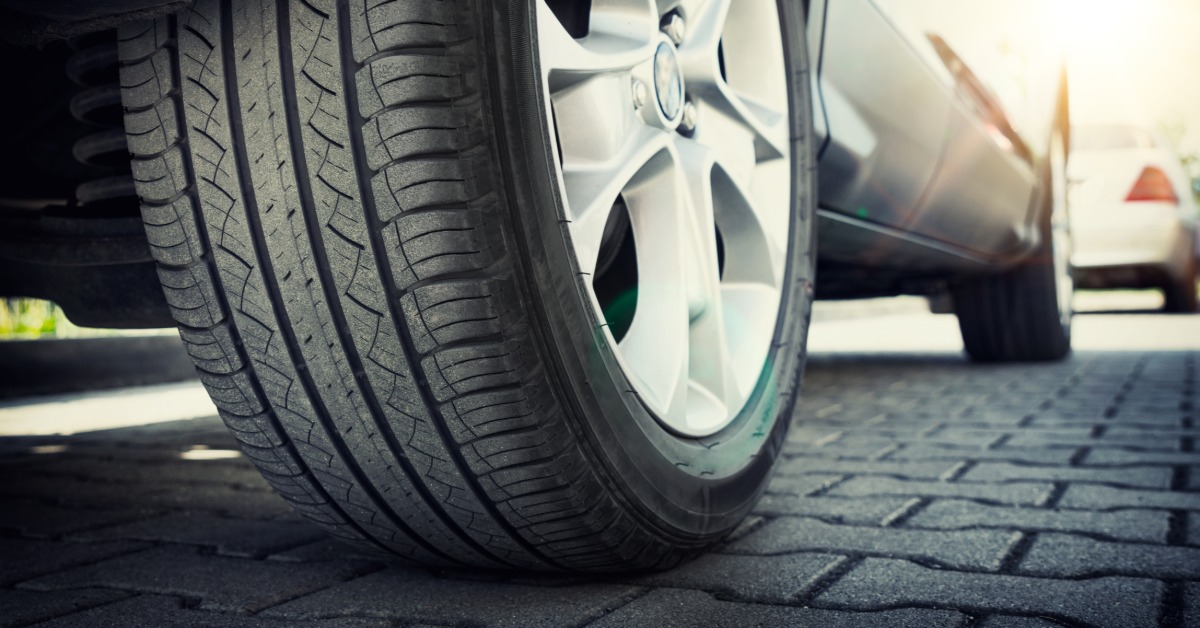
Many drivers focus on horsepower or suspension upgrades when they want better performance, but wheels play a major role, too. The relationship between wheel diameter, tire profile, and weight shapes how a car accelerates, turns, and rides on the road. Find out how wheel size influences your car’s performance, so you can choose upgrades that do more than change the vehicle’s look.
Acceleration and Rotational Weight
Wheel size directly affects rotational mass. Larger wheels usually weigh more than smaller ones, and that extra weight requires more energy to spin. When the drivetrain must work harder to rotate heavier wheels, the vehicle is hesitant to accelerate.
Small or lightweight wheels decrease rotational resistance. As a result, the engine efficiently delivers power to the wheels. Performance-focused drivers often choose lightweight alloys for this reason. A carefully chosen wheel and tire setup can even make your car feel brand new because the vehicle responds quickly when pressing the throttle.
Handling and Cornering
Wheel diameter also influences handling. Short sidewalls don’t offer ample flex, leading to less aggressive cornering.
Less sidewall movement improves steering precision. The car reacts faster when the driver turns the wheel, which creates a tighter and more controlled feel in curves. Many sports cars rely on this setup because it sharpens cornering performance.
However, extremely large wheels can upset balance if they add too much weight. Drivers who want to enhance their vehicle with performance parts should focus on combinations that improve grip without adding unnecessary mass.
Ride Comfort and Feedback
Tall tires with thick sidewalls absorb bumps more effectively because the extra rubber cushions impacts from potholes and rough pavement. Low-profile tires transmit more feedback into the cabin. Drivers feel an enhanced connection with the road surface, which many enthusiasts enjoy during spirited driving. However, daily commuters may notice a firm ride on rough streets.
Balancing comfort with responsiveness is the secret to selecting the best wheel size. A moderate increase in wheel diameter can improve handling without making the ride harsh.
Fuel Efficiency and Rolling Resistance
Heavy, large wheels increase rolling resistance. The engine must produce more energy to maintain speed.
Drivers who prioritize efficiency prefer lightweight wheels paired with appropriately sized tires. Even small changes in rotational mass can improve overall drivetrain efficiency over time.
Choose Wheels That Improve Your Car’s Performance
When drivers understand how wheel size influences your car’s performance, they can select wheels that complement the vehicle’s suspension, power output, and driving goals. Evaluate your car’s current performance, and decide which improvements will make the driving experience sharp and responsive.