


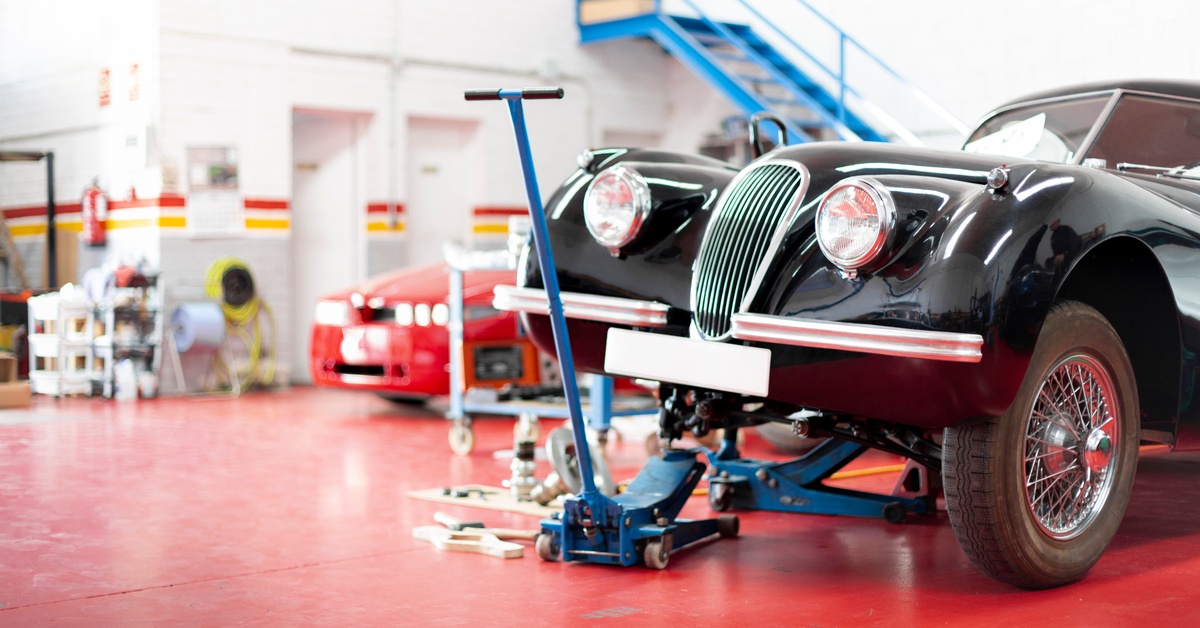
Classic cars capture the imagination like few other machines can. They represent a bygone era of design and engineering that many enthusiasts want to keep alive. Deciding whether you’ll restore your classic car yourself or hire a professional is the first step to bring it back to its former glory.
Taking the DIY Route
Handling the restoration yourself saves considerable money on labor rates. You gain a deep understanding of how your specific vehicle functions during the teardown and assembly. This intimate knowledge proves invaluable for future roadside repairs and maintenance.
However, be prepared to sacrifice time on your weekends and evenings. You’ll also need a dedicated space, like a large garage, to store the disassembled parts. A lack of organization often leads to lost components and stalled progress.
You will need to invest in a comprehensive collection of tools to do the job right. An air compressor, welder, and engine hoist become necessary purchases for a full restoration. These equipment costs eat into the savings you gain from doing the labor yourself.
Hiring a Professional Shop
Professional restoration teams deliver a level of finish that rivals factory standards. They have access to specialized networks for sourcing rare parts that you might not find online. This route ensures the car looks and drives exactly as you envisioned.
High-quality work comes with a steep financial cost that restricts this option for many. You surrender control over the daily progress and decisions. The final bill might shock you if the shop uncovers hidden damage during the process.
Professionals usually complete the job much faster than a hobbyist can. They work on the vehicle continuously rather than fitting it into spare moments. This speed gets you behind the wheel and enjoying the ride sooner.
Critical Factors to Consider
Evaluating your available workspace is just as important as checking your bank account. You cannot preserve your treasured car properly if it sits exposed to the elements during the build. A climate-controlled garage prevents flash rust on bare metal parts.
Your budget needs a significant buffer for unforeseen mechanical issues. Mechanical surprises often inflate the budget, especially when you factor in potential engine replacement costs. Ignoring these potential spikes leads to abandoned projects and frustration.
Be realistic about your current skill level versus the project’s specific needs. Learning to paint a car takes practice and expensive equipment. Outsourcing specific difficult tasks while doing the assembly yourself offers a happy medium for many enthusiasts.
Making the Final Decision
Both DIY repairing your classic car and hiring a professional lead to the joy of driving a classic piece of history. Weigh your time carefully against your budget before tearing your car apart. Whichever route you choose, the goal remains the same: getting that vintage beauty back on the road where it belongs.