


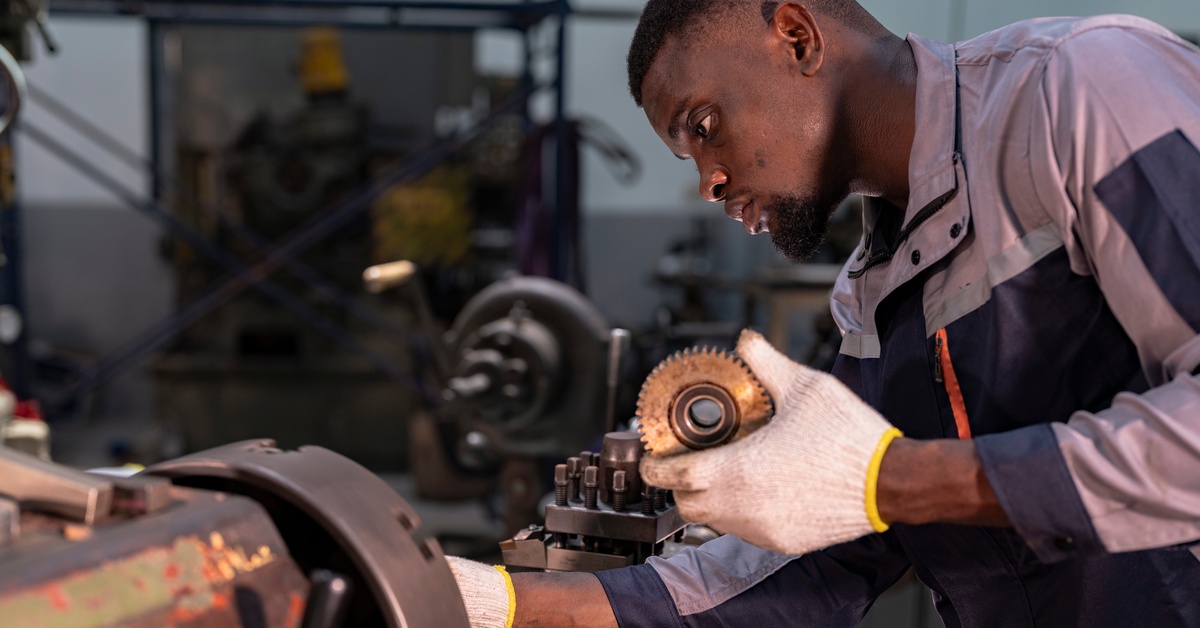
Industrial components rarely fail without warning, but the impact is substantial when they do. Heat, friction, pressure, and constant motion slowly break materials down, reducing performance long before a part completely gives out. That gradual wear can disrupt production and create costly downtime. So what makes industrial components last longer? It comes down to intentional decisions at every stage—from material choice and engineering design to manufacturing precision and ongoing maintenance.
Start With the Right Material Choices
Durability starts with choosing the right metal. Not all alloys are built for the same environments, and cutting corners here guarantees failure down the line. Heat resistance, corrosion resistance, and fatigue strength are all critical for industrial parts.
Some teams overlook how casting processes affect long-term performance, even though methods like bronze casting can dramatically improve component lifespan in harsh conditions. Specific alloys and casting techniques are often chosen to increase reliability under constant load, friction, or chemical exposure.
Design With the Application in Mind
Good design accounts for stress and motion from the start. Casting techniques like centrifugal casting help in high-wear parts by producing dense, uniform walls ideal for bearings and bushings.
Investment casting supports complex geometries and tight tolerances, making it useful for components that require precision and balance. Both methods improve how parts handle stress and extend service life.
Precision Manufacturing Makes a Difference
Manufacturing quality plays a direct role in how long a component holds up under pressure. When tolerances are tight, surfaces are clean, and processes are consistent, parts perform reliably and predictably. Small inconsistencies can introduce stress points that grow worse with use.
Processes like welding also play a major role in long-term performance, especially in high-load or high-temperature environments. When welds are clean, precise, and matched to the material type, they support structural integrity. In industrial settings, especially where structural integrity is critical, these details make the difference between early wear and long-term performance.
Maintenance Practices That Extend Life
Strong components still need support. Even the best-built parts degrade without attention. That’s where preventative maintenance steps in—not to fix problems, but to prevent them. Good maintenance programs usually include:
- Routine inspections based on actual wear trends
- Lubrication plans matched to operating conditions
- Strategic replacement before full failure occurs
When teams analyze real usage data to schedule care, parts run longer and systems stay more predictable.
Work With Suppliers Who Know Durability
Making industrial components last longer is also about where the materials come from. The right supplier understands how that metal performs in real-world conditions. They help match materials to specific applications, ensuring every component starts with the right foundation. It’s not about filling an order; it’s about sourcing materials that meet performance demands with consistency and reliability.
When every link in the chain—design, sourcing, manufacturing, and maintenance—works toward durability, parts last longer, and operations stay efficient. In industrial environments where downtime is costly, long-lasting components are a strategic advantage.