


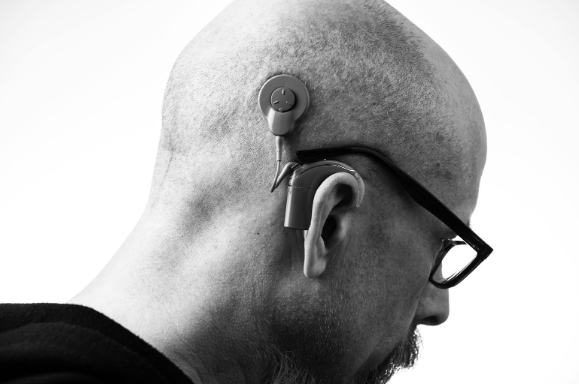
Anybody who has sudden or progressive hearing loss may feel uneasy. One day, you can follow conversations with ease, and the next, voices appear far away, muted, or strangely warped. Panic rarely helps, even though the feeling can be terrifying.
What helps is recognizing that hearing changes are common, often treatable, and much easier to manage when you take practical, informed steps early on.
Keep Calm and Collected
Permanent impairment is not necessarily indicated by hearing loss. Congestion, earwax accumulation, allergies, or minor illnesses are common causes of transient changes.
With the correct tools, like hearing aids, and treatment strategies, people with age-related changes can frequently regain confidence and clarity. The secret is to handle the problem coolly and deliberately. If hearing loss is confirmed, this is where the conversation shifts from worry to opportunity. Today’s hearing aids are far more advanced than many imagine.
Assess Any Changes
Determine what has changed first. Has the hearing loss developed gradually or all at once? Does it impact both ears or just one? Do you always have trouble, or do you simply have trouble in certain situations?
When you talk to a hearing professional, having notes will help you articulate your issues more effectively. Even slow changes should be addressed rather than ignored, but sudden hearing loss, particularly in one ear, should be assessed right away.
Have a Full Assessment of Your Hearing
A thorough hearing evaluation gives a more accurate image. Testing is simple, painless, and very instructive, yet many people are hesitant because they think it’s bad news.
These days, assessments of your hearing go much beyond just detecting tones; they also check for patterns, frequencies, and the functional effects of any abnormalities in your hearing. Instead of causing fear, outcomes give many people direction and assurance.
Don’t Stop Wearing Your Aids
Early use of hearing aids is also essential for long-term health. A growing body of research indicates a connection between cognitive decline and hearing health, especially when hearing loss is left untreated for years.
The brain must work harder to fill in the gaps when it receives less auditory input, which takes resources away from processing and memory. Maintaining your hearing now could help safeguard your cognitive health in the future.
Pursue Lifestyle Adjustments
Beyond gadgets, lifestyle modifications can also have an impact. Improving communication skills, lowering extended loud exposure, and looking for underlying medical conditions all help to improve day-to-day functioning.
Open communication about hearing needs with family, friends, and coworkers is also beneficial for many people. Environments that were previously intimidating can become manageable again with a few adjustments.
The most crucial lesson is that your world doesn’t have to be limited by hearing loss. Realistic solutions and long-term stability can be achieved by acting thoughtfully rather than in a panic.
Early attention is frequently the pivotal moment that helps people regain confidence and connection, regardless of whether your next step entails lifestyle changes, a thorough hearing evaluation, or investigating hearing aids. Although hearing loss is difficult, the discussion does not end there. It’s the start of a more knowledgeable one.