


Every car depends on a group of parts that wear down through heat, friction, road debris, and steady daily use. Some components hold up for years, while others break down rapidly and demand regular care.
If you want to handle basic upkeep on your own, it helps to understand which vehicle parts wear out first and need frequent replacement. With this knowledge, car maintenance will be less intimidating, and your vehicle will be safer.
Brake Pads
Brake pads rank near the top of the list because they handle friction every time the car slows down. They press against the rotors and shave away bit by bit. City driving, stop-and-go traffic, and aggressive braking speed up wearing.
As the pads become thin, stopping power drops. A squeal, scrape, or shaky brake pedal might appear. Drivers who understand that pattern tend to catch brake issues sooner and avoid damage to the rotors.
Tires
Tires absorb impact from rough roads, sharp turns, hot pavement, and changing weather. Over time, tread wears down and lose their strength. Even a car that runs well won’t drive safely on worn tires.
Uneven tread can hint at alignment trouble, poor inflation, or suspension wear. That’s why drivers regularly rotate the tires to evenly spread wear across all four tires. Drivers benefit from balanced handling and extended tire life.
As a general estimate, many drivers replace their tires somewhere around 40,000 to 60,000 miles. Keep in mind that driving habits, road conditions, tire type, and the vehicle make and model will affect this range.
Filters
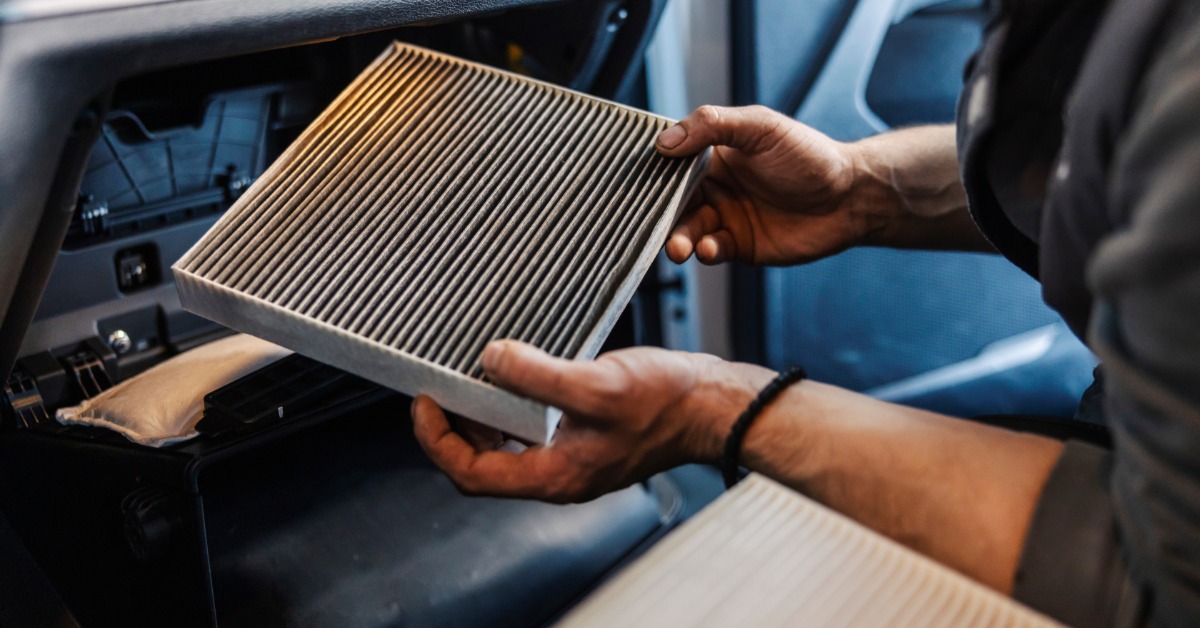
Air filters and cabin filters clog faster than many drivers expect. The engine air filter traps dust, grit, and debris before those particles reach sensitive engine components. It hinders airflow and impairs the vehicle’s efficiency.
The cabin filter catches dirt, pollen, and road grime before they enter the interior vents. Overall, it’s beneficial to replace both filters between 12,000 and 15,000 miles or annually.
Based on the conditions you drive every day, you might need to replace the filters sooner than the latter end of the replacement range. Pay attention to the vehicle’s performance and the cabin’s air quality to keep your vehicle in good shape.
Spark Plugs
Spark plugs fire thousands of times during everyday driving. As they age, engines may idle roughly, hesitate during acceleration, or burn fuel less efficiently. Some drivers look into upgrading to long-lasting iridium spark plugs for enhanced durability and fewer replacements.
Fresh plugs ignite fuel cleanly and support a strong engine response. For drivers who want to boost their car engine’s performance, spark plugs deserve close attention because they directly influence power, fuel use, and drivability.
Batteries
Car batteries don’t fail all at once in every case. Many fade gradually as heat, cold, vibration, and age weaken their charge. A slow engine crank, dim lights, or electronics that act strangely can point to a battery near the end of its life.
Routine maintenance makes cars safer and more efficient. Once drivers have the vehicle parts that they need to replace frequently at the forefront of their minds, they can handle standard upkeep with ease.