


Friday, December 5, 2025
spot_img
Home Blog

Eternal Horizons: Roy Tabora’s In The Beginning and the Romance of the Sea

0

When Roy Tabora’s In The Beginning is unveiled, the room itself seems to shift. Light radiates from the canvas as if dawn has slipped into the walls. At its heart, a luminous wave curls in mid-break, glowing with a golden sunburst. Around it, soft purples, pinks, and blues dissolve into one another, while the sand mirrors the scene in delicate reflection. It is not just a seascape; it is an emotional landscape that is alive with rhythm, serenity, and possibility.

A First Encounter with Light

What strikes any viewer immediately is Tabora’s mastery of light. The artist captures how sunlight refracts across water and filters through mist. There is a transforming turbulence into something almost sacred. The wave becomes a glowing cathedral as the barrel is lit from within. Colors shift between warmth and coolness—fiery amber framed by tranquil violets and blues.

This sense of rhythm and harmony is what defines Tabora’s style. The wave does not merely move—it dances. His paintings are less about strict representation and more about interpretation, infused with memory, heritage, and a deeply personal response to the sea.

The Artist Behind the Brush

Roy Tabora is a third-generation artist whose roots trace back to the Philippines. In the Philippines, his grandfather and uncles painted massive billboards by hand and relying on discipline and skill to support their families. Art was a livelihood. This early exposure instilled in Tabora a respect for craft and perseverance.

When his family moved to Guam, the young artist found himself surrounded by tropical horizons that ignited his imagination. At six years old, he began sketching waves and seascapes. Guam provided both inspiration and cultural diversity, while Hawaii—where Tabora settled in the 1970s—offered the stage on which his artistry matured.

From the start, Tabora chose full commitment. In a Huffington Post interview Tabora states, “I never had a plan B. It is a JUMP! It is a commitment.” That leap has made him one of Hawaii’s most celebrated seascape painters, renowned for creating works that are at once technically remarkable and emotionally profound.

Romantic Realism

Tabora describes his style as “romantic realism.” Rooted in close observation, his paintings elevate reality through heightened light, rich colors, and emotional resonance. Rather than chasing trends, he stays faithful to his vision.

Art from https://taboragallery.com/ Picture of In The Beginning
In The Beginning, Roy Tabora

In Roy Tabora’s work, it becomes clear that his mastery lies in his ability to fuse technical precision with a heightened emotional sensibility. This approach places him firmly within the tradition of romantic realism. While his paintings are grounded in a meticulous observation of the natural world, every ripple of water, every reflection of light rendered with near-photographic clarity are not imitations of reality. Instead, he elevates his seascapes into poetic visions, presenting the ocean not only as it is, but as it feels: vast, luminous, and deeply moving. This romantic realism allows his work to transcend the boundaries of documentation and transforms Hawaii’s coastlines into timeless meditations on beauty and tranquility. His art is not simply about depicting nature, but about evoking the profound emotional resonance it holds for those who encounter it.

In The Beginning exemplifies this philosophy. It depicts a breaking wave with sunlight shining through but the scene carries symbolic weight. The wave suggests power, rhythm, and the cycles of life. The light within the wave conveys renewal and creation itself. Gold evokes hope, blue suggests tranquility, and lavender brings mystery and wonder. Together, these elements form a visual  togetherness to new beginnings.

Living with the Painting

Collectors of Tabora’s work often remark on its transformative effect within a space, and In The Beginning is no exception. In daylight, the golds blaze like sunrise. By evening, purples deepen into meditation. Each glance reveals something new: a subtle shimmer in the sand, the curve of foam, or the delicate play of light on the crest.

The work transcends decoration and a nice painting to have. It becomes a daily meditation on resilience and renewal and creates a source of calm in stress and an inspiration in reflection.

Heritage and Authenticity

Tabora’s authenticity lies in the life that underpins his art. His Filipino ancestry, Guam upbringing, and Hawaiian home converge are in each painting. The tropical skies, endless horizons, and crashing waves he experienced as a child became the vocabulary for his mature works.

This cultural synthesis lends his seascapes both intimacy and universality. They resonate with anyone who has stood before the ocean and felt small, yet deeply connected to something larger.

Philosophy and Passion

Throughout his career, Tabora has remained clear about his guiding principles: art must come from passion and love. This devotion is what gives In The Beginning its timelessness. It is not a product of market calculation but of artistic conviction. It is a canvas born of devotion to the sea, to light, and to the emotional power of beauty itself.

A Universal Beginning

Beyond its aesthetic appeal, In The Beginning resonates at the personal level. The wave symbolizes cycles of life, renewal after endings, and the perpetual possibility of rebirth. For some, it recalls mornings at the shoreline, watching daybreak with a sense that the world is being reborn. For others, it offers affirmation that change, though turbulent, carries within it the light of new beginnings.

Roy Tabora’s In The Beginning is more than an artwork; it is an encounter. It functions as both a window into the luminous seascapes of Hawaii and Guam and a mirror reflecting the viewer’s cycles of loss, renewal, and creation.

Tabora’s journey—from a family of billboard painters in the Philippines, through a childhood of inspiration in Guam, to mastery in Hawaii—is a story of passion, discipline, and authenticity. He paints not for fashion but for love, for rhythm, and for the eternal music of the sea.

And in In The Beginning, that music sings through every brushstroke, offering a timeless meditation on light, rhythm, and the beauty of beginnings.

If you’re in Hawaii, make sure to visit the Tabora Gallery to see Roy’s work and also a bunch of great local artists.

Resources To Help Pay Down Your Tax Debt

0

Resources to Help Pay Down Your Tax Debt

Facing tax debt can be an overwhelming experience, but there are several resources available to help individuals manage and pay down owed taxes. Whether it’s working out a repayment plan with the IRS or exploring debt forgiveness, options exist for those willing to take proactive steps. Understanding the nuances of each resource is critical for making informed decisions and finding a solution that fits your financial situation. Below, we walk through various strategies for addressing tax debt to help get your finances back on track.

Seeking Professional Help: The Role of Tax Attorneys and Certified Public Accountants (CPAs) in Resolving Tax Debt

Dealing with tax debt often requires a level of expertise and knowledge that the average taxpayer may not possess. In such cases, turning to a professional, such as a tax attorney or a CPA, can be incredibly beneficial. These professionals can offer guidance on complex tax laws and negotiate with the IRS on your behalf, possibly leading to more favorable terms.

Engaging the services of tax resolution experts is especially crucial when considering options like Offers in Compromise or installment agreements that involve intricate paperwork and a thorough understanding of legal procedures. Tax professionals can ensure that all paperwork is filled out correctly and that deadlines are met, reducing the chance of application rejection.

Moreover, a professional can provide advice on the approach best suited to a person’s financial situation, such as connecting them with reputable tax relief services. Having an expert on your side can also lessen the stress and emotional burden associated with tax debt resolution. They act as intermediaries, allowing you to focus on your financial planning without the pressure of direct IRS communication.

Navigating IRS Repayment Plans: Installment Agreements Explained

For those who can’t pay their tax debt in full, an IRS installment agreement might be a viable solution. This approach breaks down your tax liability into manageable monthly payments. These plans can vary in length, but they enable taxpayers to address their debts without facing the full financial burden at once. You can sell your junk trucks for cash to use the proceeds to pay your tax debt.

The application for an installment agreement involves submitting a request to the IRS, either online or by mail, depending on the amount owed. Taxpayers who owe $50,000 or less in combined tax, penalties, and interest can usually apply for an installment agreement online, streamlining the process.

Installment agreements come with certain conditions that must be adhered to. These include maintaining future tax compliance and making all scheduled payments on time. Defaulting on these agreements can lead to reinstated penalties and interest, making it crucial to commit to a payment plan that is sustainable over time.

Offers in Compromise: A Path to Settling Tax Debts for Less

An Offer in Compromise allows taxpayers to settle their tax debt for less than the full amount owed when they cannot pay their tax debt in full, or if doing so creates financial hardship. This option is not available to everyone; it requires demonstrating to the IRS that payment in full would be difficult, if not impossible, based on the taxpayer’s income, expenses, and asset equity.

The process of applying for an Offer in Compromise is thorough and requires detailed documentation. Taxpayers must submit a formal application using the forms provided by the IRS, and generally must also pay an application fee along with a percentage of their offer.

It’s essential for taxpayers considering an Offer in Compromise to understand the long-term commitment. If accepted, taxpayers must comply with all IRS tax code provisions for five years following the offer’s acceptance, or the entire tax debt may be reinstated.

Tax Debt Forgiveness Programs: Who Qualifies and How to Apply

Tax debt forgiveness programs aim to alleviate the tax burden for those who find it financially impossible to settle their debts. These programs consider cases of significant financial hardship, where tax payment would prevent a taxpayer from maintaining a basic standard of living. Taxpayers experiencing such difficulties may be eligible for debt reduction or, in some rare instances, complete forgiveness of the debt.

Qualifying for tax debt forgiveness typically requires thorough documentation of financial status, including income sources, necessary living expenses, and asset information. The IRS uses this data to determine whether the taxpayer truly cannot meet their tax obligations. This process can be complex, and many individuals choose to seek professional guidance.

Altogether, while resolving tax debt can prove challenging, a variety of options and resources are on hand to assist taxpayers. By understanding the available avenues, from repayment plans to tax debt forgiveness, and seeking qualified professional help, individuals have a real chance at recovering financial stability and moving beyond tax debt.

How To Safely Ship Goods Across the Country

0
A woman in a green shirt tapes a box labeled fragile amid packing supplies in a room lined with shelves of stored boxes.

Shipping items across the country, whether you’re a small business sending products to customers or an event planner coordinating supplies, you want everything to arrive in perfect condition. A successful shipment protects your goods every step of the way.

With the right approach, you can avoid common pitfalls like damaged goods, delayed deliveries, or even contamination during transit. Follow a few key practices on how to safely ship goods across the country to ensure your items arrive intact and on time.

Choose the Right Packaging Materials

The first line of defense for your goods is proper packaging. Use sturdy boxes along with bubble wrap, packing peanuts, or foam inserts to cushion fragile items and prevent them from shifting during transit. If you’re shipping multiple items in one box, wrap them individually so you avoid scratches or breakage.

For larger shipments, you need a stable base. The right shipping platform can protect your items from the ground up. Using materials like pest-preventing heat-treated pallets is a smart move, especially for sensitive goods. This simple step keeps unwanted critters from hitching a ride and potentially damaging your cargo.

Extra Tip

It’s also wise to avoid reused or damaged boxes, since structural weaknesses make breakage more likely. Take the extra time to double-check the fit and protection of your packaging, so your goods arrive safe and sound, no matter how far they travel.

Keep It Clean and Secure

Only use clean shipping tools, particularly when shipping food, wellness products, or items for a special event, such as a wedding. You don’t want your goods to arrive dusty or spoiled. Taking steps to avoid contamination during shipping maintains product quality and customer trust. This involves using clean packing materials and keeping a clean transport vehicle.

Don’t overlook dirt or moisture, which can sneak in during transit. Using airtight containers and moisture barriers can guard your shipment against the elements. Once packed, seal every box securely with strong packing tape. Apply tape across all seams and edges to reinforce the container and prevent it from bursting open. Make sure the recipient’s address is accurate and easy to read, and that any special handling instructions, like “Fragile,” are clearly visible.

Plan Your Logistics

Finally, choose a reliable shipping carrier that offers tracking services. This allows you to monitor your shipment’s progress and gives a more stress-free delivery. For high-value items, consider purchasing shipping insurance for an extra layer of protection.

Don’t be afraid to ask your carrier about their handling and delivery practices, especially for fragile or high-risk goods. Coordinating pickup and delivery times can reduce the chance of packages being left unattended and exposed to weather or theft. By focusing on smart packaging, cleanliness, and solid planning, you are ensuring everything arrives just as it should. Now that you know a little more about how to safely ship goods across the country, put the skills to use!

5 Common Car Maintenance Mistakes and How To Avoid Them

0
A woman in a red shirt and blue jeans airs up the front tire of her white car at an air pump in a gas station parking lot.

Taking care of a car can sometimes feel like a full-time job, but a little know-how goes a long way. Many car owners, even those who love their vehicles, make small mistakes that can lead to bigger, more expensive problems down the road. By learning about these common slip-ups, you can keep your car running smoothly.

This post will guide you through five common car maintenance mistakes and how to avoid them.

Ignoring Your Tires

One of the most common mistakes is not regularly checking tire pressure. Under-inflated tires wear out unevenly, reduce fuel efficiency, and are a serious safety hazard.

Get into the habit of checking your tire pressure once a month. Most gas stations have air pumps, and a reliable tire gauge is an inexpensive tool to keep in your glove box. Also, don’t forget to rotate your tires every 5,000 to 7,500 miles for even tire wear.

Skipping Oil Changes

Engine oil is the lifeblood of your vehicle. It lubricates moving parts, reduces friction, and keeps the engine clean. Delaying an oil change allows dirt and sludge to build up, which forces your engine to work harder, causing damage.

Check your owner’s manual for the recommended oil change interval. For many modern cars, it’s longer than the old 3,000-mile rule. Sticking to a schedule of regular maintenance that keeps your car safe is one of the easiest ways to extend your engine’s life.

Overlooking Fluid Levels

Your car relies on more than just oil to function properly. Brake fluid, coolant, transmission fluid, and even windshield washer fluid are all important as well. Forgetting to check these leads to issues like an overheating engine and brake failure.

Once a month, pop the hood and visually inspect the fluid reservoirs. Most have clear markings to indicate “full” and “low” levels. Topping them off is a simple task that prevents major issues.

Neglecting the Undercarriage

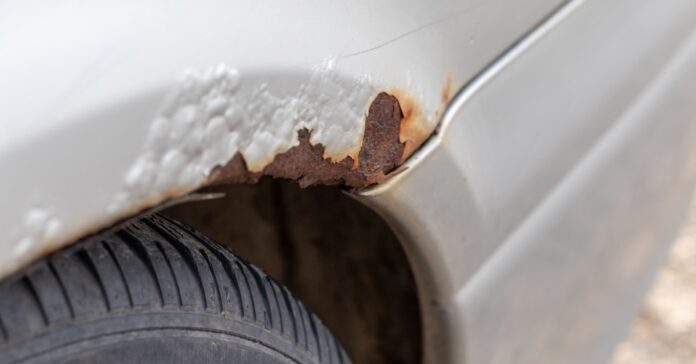
What you can’t see can definitely hurt your car. The undercarriage can rust and corrode from exposure to road salt, moisture, and debris. Many owners never inspect this area, leading to surprise repairs for damaged exhaust systems, brake lines, or suspension components.

Give your car’s underside a thorough rinse, especially after winter. For a better look, use a car lift to safely inspect the undercarriage for any signs of trouble before they become big ones.

Ignoring Warning Lights

That little light on your dashboard is there for a reason. While it can be tempting to ignore a check engine light, especially if the car seems to be running fine, it’s an early indicator of a problem. Putting it off can turn a minor sensor issue into a costly engine repair.

When a warning light comes on, don’t wait. Have a professional diagnose the issue as soon as possible. Addressing the problem early is almost always the cheaper and safer option.

Keeping Your Car in Top Shape

Learning these five common car maintenance mistakes and how to avoid them doesn’t require being a master mechanic. By staying on top of these simple tasks, you’ll ensure a safer, more reliable car for years.

Future Automotive Tech: What Fleet Managers Must Know

0
Several white electric vans are parked in a row in a lot, with an electric vehicle charging station in front of them.

Automotive technology is evolving rapidly. For fleet managers, these changes are about boosting efficiency, saving money, and keeping drivers safe. Here are some of the most impactful future automotive technologies and what fleet managers must know.

Why Choose Electric

Fleet managers everywhere are taking a serious look at electric vehicles. EVs have become a practical choice for commercial fleets of all sizes. Companies are increasingly turning to EVs for their potential to drive both operational improvements and environmental responsibility.

Choosing electric is also a statement about your brand’s values. With a smoother, quieter ride and less engine noise, EVs often boost driver satisfaction, which can translate to better employee retention and safer driving.

Lower Costs and Added Benefits

Electric vehicles offer savings on maintenance, thanks to fewer moving parts and repairs, compared to gas-powered alternatives. The predictable cost of electricity also helps keep your fleet’s operating expenses lower and more stable.

In addition to financial benefits, EVs can boost your company’s reputation for sustainability. Incentives and grants are available to help offset the initial investment, making it easier for fleet managers to justify the switch. To track your new investment with real-time vehicle monitoring using telematics.

Real-Time Visibility and Smarter Decisions

With telematics, you can see where vehicles are and access critical data to guide your decisions. They let you:

  • Optimize Routes: Save time and fuel with smarter routing.
  • Monitor Driver Behavior: Address speeding or harsh braking by giving extra training to the drivers. This improves safety and lowers wear on the vehicle.
  • Automate Maintenance: Get alerts for necessary service based on real-time data rather than a one-size-fits-all schedule.

The data you gather can also help spot longer-term trends, such as recurring maintenance issues in certain vehicle models. Couple this with smarter communication tools and you have a recipe for success.

Why Advanced Communication Matters

Many managers invest in dedicated solutions, like mobile radios for fleet operations. These modern systems provide quick, reliable group communication even in spotty areas where mobile networks may not work. With instant push-to-talk functionality, mobile radios enable drivers and dispatchers to coordinate deliveries, respond to service calls, and manage events with ease.

Boosting Workflow With Group Messaging

Using dedicated communication tools makes it easy to broadcast updates to your entire team. This improves coordination, reduces confusion, and prevents costly mistakes during busy operations. Quick group messaging is especially helpful for last-minute schedule changes or urgent client requests.

Looking Ahead: Preparing Your Fleet for the Future

With modern solutions, your fleet will be better equipped to respond, adapt, and succeed in an ever-changing landscape. Staying informed about what fleet managers must know ensures you’re prepared to leverage these advancements.

The future of automotive tech looks bright for fleet management with autonomous driving and predictive analytics tools. Being open to new solutions, like EVs, telematics, and advanced communication, will keep your fleet efficient, cost-effective, and extend the lifespan of your fleet vehicles. The road is changing fast, so staying prepared will set you up for success.

When Sound Fades: Practical Steps to Take Before You Worry

0

Anybody who has sudden or progressive hearing loss may feel uneasy. One day, you can follow conversations with ease, and the next, voices appear far away, muted, or strangely warped. Panic rarely helps, even though the feeling can be terrifying.

What helps is recognizing that hearing changes are common, often treatable, and much easier to manage when you take practical, informed steps early on.

Keep Calm and Collected

Permanent impairment is not necessarily indicated by hearing loss. Congestion, earwax accumulation, allergies, or minor illnesses are common causes of transient changes.

With the correct tools, like hearing aids, and treatment strategies, people with age-related changes can frequently regain confidence and clarity. The secret is to handle the problem coolly and deliberately. If hearing loss is confirmed, this is where the conversation shifts from worry to opportunity. Today’s hearing aids are far more advanced than many imagine.

Assess Any Changes

Determine what has changed first. Has the hearing loss developed gradually or all at once? Does it impact both ears or just one? Do you always have trouble, or do you simply have trouble in certain situations?

When you talk to a hearing professional, having notes will help you articulate your issues more effectively. Even slow changes should be addressed rather than ignored, but sudden hearing loss, particularly in one ear, should be assessed right away.

Have a Full Assessment of Your Hearing

A thorough hearing evaluation gives a more accurate image. Testing is simple, painless, and very instructive, yet many people are hesitant because they think it’s bad news.

These days, assessments of your hearing go much beyond just detecting tones; they also check for patterns, frequencies, and the functional effects of any abnormalities in your hearing. Instead of causing fear, outcomes give many people direction and assurance.

Don’t Stop Wearing Your Aids

Early use of hearing aids is also essential for long-term health. A growing body of research indicates a connection between cognitive decline and hearing health, especially when hearing loss is left untreated for years.

The brain must work harder to fill in the gaps when it receives less auditory input, which takes resources away from processing and memory. Maintaining your hearing now could help safeguard your cognitive health in the future.

Pursue Lifestyle Adjustments

Beyond gadgets, lifestyle modifications can also have an impact. Improving communication skills, lowering extended loud exposure, and looking for underlying medical conditions all help to improve day-to-day functioning.

Open communication about hearing needs with family, friends, and coworkers is also beneficial for many people. Environments that were previously intimidating can become manageable again with a few adjustments.

The most crucial lesson is that your world doesn’t have to be limited by hearing loss. Realistic solutions and long-term stability can be achieved by acting thoughtfully rather than in a panic.

Early attention is frequently the pivotal moment that helps people regain confidence and connection, regardless of whether your next step entails lifestyle changes, a thorough hearing evaluation, or investigating hearing aids. Although hearing loss is difficult, the discussion does not end there. It’s the start of a more knowledgeable one.

Tips to Look After Yourself in Your Later Years without the Stress

0

As much as people mightn’t like it, getting older is a natural part of life. This often comes with the potential for various age-related conditions and issues, which is what many people worry about. Thankfully, this doesn’t have to be nearly as much of a problem as you might think.

More than a few ways to look after yourself in your later years can help with this, and there’s no reason why they shouldn’t help with your overall retirement.

Some of these will have a lot more of an impact than you’d think, despite how relatively easy they can be to take advantage of. There’s no reason why they shouldn’t help you make your golden years unforgettable without needing to put too much time or effort into it.

Keep Your Brain Active

Getting older often means you could be at risk of brain issues like dementia and Alzheimer’s disease. While these can always be a risk, there are more than a few ways to minimize it, with keeping your brain active being one of the more notable. Brain games like puzzles can be one of the better options to go for with this.

Invest in Aids When You Need Them

There could be a time when you’ll come to a point where you’ll need a little extra help getting through the day. There’s nothing wrong with that, and it happens to more people as they age than you’d expect. The trick here is to get the help you need, like Bluetooth hearing aids and similar lifestyle accessories. If they help you day-to-day, there’s no reason not to get them.

Nurture Meaningful Relationships

Everyone needs relationships, with these including positive relationships with both family and friends. Make sure you put the time and effort into nurturing these going forward. You’ll help to avoid feeling lonely and the issues that come with that while also allowing you enjoy yourself with your friends and family.

Prioritize Sleep

Sleep is a fundamental part of looking after your health, but this can be harder and harder to get as you get older. Prioritize making sure you get at least seven hours of sleep a night. Making sure your bedroom is comfortable to sleep in and having a relaxing nighttime routine should be more than enough for this.

Look for Local Well-Being Programs

It’s natural to need a little bit of outside help during some of your later years, and this could be a whole lot more accessible than you’d think. Many places offer well-being programs for older adults who need this extra support, and there’s no reason not to take advantage of them. Look into them and find the right ones for you.

You’ll already know you’ll need to look after yourself in your later years. But, this doesn’t have to be nearly as complicated as you could think. Focusing on the right tips could help you avoid more than a few age-related conditions while making sure your retirement is as amazing as possible going forward.

Why Hearing Protection Is So Important if You Enjoy Loud Outdoor Sports

0

Spending time outdoors doing the sports and hobbies you love can be great for your wellbeing, but many of those activities involve sudden, sharp, or loud noise that your ears aren’t built to handle. Shooting ranges, hunting trips, motorsport days, outdoor concerts, clay pigeon sessions, and even certain off-road sports can expose you to noise levels far higher than what’s safe.

When you’re in the moment, the noise doesn’t always feel harmful, but your ears remember it long after you’ve packed up and gone home. Hearing damage from loud bursts of sound can happen quickly than most people realize. Even one day of exposure can leave your ears feeling muffled or ringing, and repeated exposure without protection can lead to long-term issues. Looking after your hearing now helps you enjoy your hobbies for many years to come.

Loud outdoor hobbies can be harder on your ears than you think

Many outdoor sports involve noise that reaches dangerous levels. Shooting sports, for example, can easily reach over 140 decibels, which is well above the safe limit for unprotected ears. Motorbike rallies, speedway events, stock car racing, and snowmobiling all create powerful noise that your ears struggle to handle. Even activities like using power tools, lawn equipment, or chainsaws during outdoor DIY can add to the strain.

The problem is that your ears don’t get a warning before damage starts. You may only notice a dull feeling, a slight buzzing or difficulty hearing speech after the activity is over. These signs mean your ears have been pushed too far, and repeated exposure makes the effects harder to ignore.

Why hearing protection matters

Once the tiny hair cells inside your inner ear are damaged by loud sound, they don’t grow back. That’s why hearing protection isn’t just a helpful extra; it’s something your ears depend on if you regularly enjoy these kinds of activities. Good protection reduces the intensity of the sound without taking away the experience, so you can stay safe without losing the enjoyment of the sport.

There are different types of protection depending on what you do. Foam plugs, earmuffs, and electronic options all help reduce dangerous peaks of sound. For shooting sports, ear protection for hunters is designed to block harmful levels while still letting you hear speech and movement around you. This balance makes your hobby safer while keeping you alert and aware.

Small changes that make a big difference

Using hearing protection every time you take part in loud outdoor sports is the most effective step you can take. You can keep spare earplugs in your bag, glovebox or jacket so you always have something ready. Choosing good-quality protection also means you don’t have to turn up the volume of your communication devices, radios or music just to hear over the noise, which further helps your ears.

Paying attention to your hearing after the activity is just as important. If you notice ringing, muffled sound or any changes that linger, it’s worth taking a break from loud environments and giving your ears time to recover. These small habits protect your long-term hearing health and keep you enjoying your hobbies without worry.

Avoiding Common Mistakes With Charging Cables

0
Four white charging cables attached to two smartphones and a light brown power bank sitting on a wooden table.

Charging cables are essential accessories for our daily devices, yet we often ignore them until they fail. Proper care is crucial not just for the longevity of the cable itself, but also for the safety of your devices. Understanding how to handle these seemingly simple items can save you money and prevent potential hazards. Learn how to avoid common mistakes with charging cables to ensure they remain in optimal condition.

Using Damaged Cables

One of the most frequent and dangerous errors is continuing to use a cable after it shows signs of wear and tear, such as fraying or exposed wires. A damaged cable can lead to inconsistent charging, short circuits, and even pose a fire risk. It’s important to regularly inspect your cables for any visible damage. If you notice any issues, it’s safest to replace the cable immediately rather than attempting a temporary fix with tape, which often fails to address the underlying electrical problem.

Improper Storage

How you store your cables can significantly impact their durability. Tightly coiling, bending, or wrapping them around your device puts stress on the internal wires, leading to breakage over time. The best practice is to loop them loosely, following their natural curve. Using a cable tie or a designated storage case can help keep them organized and free from tangles and sharp bends, which will help to extend the lifespan of your charging cables.

Overcharging Devices

Leaving your device plugged in long after it has reached a full charge can degrade both the battery and the charging cable. This practice, known as overcharging, generates excess heat, which is a primary enemy of electronic components. This heat can weaken the internal wiring of the cable and damage the connector tips. To prevent this, make a habit of unplugging your devices once they reach a full charge.

Ignoring Voltage and Amperage Ratings

Using a cable or adapter with incorrect voltage and amperage for your device can be harmful. A high-rated charger can overheat your device, while a low-rated one charges slowly and strains the adapter. Always check the manufacturer’s recommendations and use a charger that matches the power requirements of your specific device.

Using Cheap, Uncertified Cables

The temptation to buy inexpensive, third-party cables is understandable, but it often comes at a cost. Uncertified cables may not meet safety standards and can lack the proper circuitry to protect your device from power surges. This can result in poor performance, damage to your device’s charging port, and even safety hazards. To protect your tech, invest in certified cables from reputable brands that have undergone safety and performance testing.

By being mindful of these pitfalls, you can significantly improve the durability and safety of your charging accessories. Taking these simple preventive measures is the key to avoiding common charging cable mistakes, which will keep your devices powered up safely and efficiently for years to come.

The Link Between Hearing Health and Cognitive Decline

0

The Overlooked Connection

Hearing loss is often brushed off as a normal part of aging and something to be tolerated rather than treated. But recent research suggests that ignoring hearing problems may have more serious consequences than missing out on conversation. A growing body of scientific evidence now links untreated hearing loss with an increased risk of cognitive decline, including conditions like dementia. 

This connection isn’t just observational. Brain imaging studies show that when hearing deteriorates, the brain starts reallocating resources from areas responsible for memory and thinking to compensate for diminished sound input. This shift creates a cognitive strain that can accelerate mental decline. In fact, a study from Johns Hopkins found that older adults with hearing loss had a 30 to 40 percent faster rate of cognitive decline compared to those with normal hearing.

Understanding the Mechanism

Why does this happen? The brain works as a network, and hearing is deeply integrated into that system. When hearing fades, it doesn’t just affect the ears but also how the brain processes language, emotion, memory, and focus.

Social isolation also plays a significant role. People with hearing loss are more likely to withdraw from social situations to avoid embarrassment or fatigue. That withdrawal can reduce mental stimulation and increase the risk of depression, both of which are known contributors to cognitive decline.

A Proactive Approach to Brain and Hearing Health

The good news? Hearing loss is one of the most modifiable risk factors for dementia. Taking proactive steps to address hearing loss is one of the most powerful things you can do for your long-term cognitive health. Modern hearing solutions are designed to be discreet and highly effective, integrating seamlessly into an active lifestyle. For instance, advanced devices like the ReSound Vivia are engineered not just to amplify sound, but to help the brain process sound more naturally, reducing the mental strain that can contribute to fatigue and cognitive load.

By preserving the clarity and richness of sound, these devices can help maintain the brain’s auditory processing networks and support memory retention. That’s more than a technical feature; it’s a quality-of-life upgrade with far-reaching benefits.

Daily Habits That Support Both

Beyond hearing aids, there are other proactive habits that can support both hearing and brain health:

  • Protect your ears: Exposure to loud environments over time damages tiny hair cells in the inner ear. Wearing ear protection at concerts, during yard work, or in industrial settings is simple and effective.
  • Stay socially engaged: Meaningful interaction stimulates cognitive function. Don’t avoid conversation but rather enhance it with the right tools.
  • Exercise regularly: Physical activity improves blood flow, including to the inner ear and brain.
  • Get regular checkups: Hearing assessments should be part of your preventive healthcare routine, just like vision or cholesterol tests.

Investing in cognitive health is an ongoing process, and hearing plays an important role in that investment. Recognizing this relationship will help move our focus from simplyagingto being athriver”.

Hearing loss is a sensory problem, but it also represents a way into many other problems, and now, with all of the new technology available, it has never been easier to start making changes and taking control of your cognitive well-being.

3 Major Mistakes You Make After a Car Detailing

0
A family sitting in a car. The parents are in the front seat, and the dog and a young girl are in the back seat.

You’ve just spent time and money getting your car professionally detailed. It looks pristine, feels fresh, and practically gleams in the sunlight. But here’s the catch: what you do in the days and weeks following that detailing session can either preserve that showroom shine or undo all that hard work.

From improper washing techniques to neglecting protective measures, these major mistakes after a car detailing can cost you money and time. Let’s explore the three most common post-detailing errors and how to avoid them.

1. Washing Your Car Too Soon

After a professional detail, your vehicle’s surfaces need time to cure and bond properly. Whether it’s a ceramic coating, wax, or sealant, these protective layers require adequate time to set before exposure to water and cleaning products.

Most detailing professionals recommend waiting at least 24 to 48 hours before washing your car. Some advanced coatings may need up to a week to fully cure. Washing too early can compromise the effectiveness and durability of the protective layer.

What to do instead: Ask your detailer about the specific curing time for the products they used. Mark your calendar and resist the urge to wash your car immediately, even if you spot a bit of dust or pollen.

2. Neglecting Interior Maintenance

Exterior detailing often gets all the attention, but your interior needs consistent care too. Knowing how to care for your car’s interior after detailing can extend the clean slate and prevent careless messes.

Protecting your interior can be a big task when you have your kids and pets in the car. Muddy shoes or pet hair buildup can quickly undo the meticulous work your detailer performed, leaving you without that nice, clean space. Protecting your car when life gets messy is essential to keeping your vehicle clean.

What to do instead: Establish simple interior maintenance habits. Use floor mats to protect carpeting, keep a small trash receptacle in your car, and vacuum regularly. Wipe down surfaces with appropriate cleaners weekly, and condition leather surfaces monthly to

3. Parking Under Trees or in Direct Sunlight

Where you park your freshly detailed car matters more than you might think. Tree sap, bird droppings, and falling leaves can quickly mar your perfect finish. These contaminants are acidic and can eat through protective coatings if left on the surface too long.

Similarly, prolonged exposure to direct sunlight accelerates the oxidation process and breaks down wax and sealant layers faster. UV rays are particularly harsh on dark-colored vehicles.

What to do instead: Park in a garage whenever possible. If that’s not an option, invest in a high-quality car cover or seek covered parking. When parking outdoors is unavoidable, choose shaded areas away from trees and remove any organic debris promptly.

Keep Your Investment Protected

Professional car detailing represents a significant investment in your vehicle’s appearance and longevity. Avoiding these mistakes after car detailing keeps your car looking its best and your investment worthwhile.

Remember: the effort you put into maintaining your car between professional details directly impacts how long that showroom shine lasts. With proper care and attention, you can extend the life of your detailing work and keep your vehicle looking its absolute best.

How to Treat Your Hearing Setup

0

What Happens When You Treat Your Hearing Setup Like Any Other Smart Device You Own

You already trust your phone to track your sleep, keep your reminders straight, and stream the things that make life smoother. But what happens when you start giving your hearing setup the same level of attention and curiosity? Something surprising: you stop thinking of it as “medical” and start seeing it as everyday tech, the kind you can lean on, personalize, and actually enjoy using.

Why Your Hearing Tools Deserve the Same Attention You Give Your Phone

Most people treat their phones like living things. You update them, tweak the settings, rearrange icons, babysit the battery. Your hearing tools? They often get whatever energy is left after everything else. But when you flip that script, things shift fast.

You start noticing the small optimizations you’ve been ignoring. A better seal. A quicker way to adjust volume. A more intuitive routine for cleaning or storing them. And because you’re finally paying attention, you start catching the subtle wins, clearer conversations, less strain during the day, and a general sense that your brain isn’t working overtime just to participate.

This is also the moment when tech-minded users realize they can set their hearing tools up the same way they set up everything else that matters: intentionally.

The Features You Wish You had Once You Try Them

There’s a funny thing that happens when you experiment with modern hearing tech: you wonder why you tolerated anything less. Once you experience how seamless bluetooth hearing aids can feel in your daily flow, streaming calls, handling audio privately, customizing sound profiles, you start thinking of them the way you think of your wireless earbuds or smartwatch. Something designed for convenience rather than compromise.

You also discover features you didn’t even know you wanted until they were right there: automated environment detection, discreet adjustments from your phone, connection stability that doesn’t make you feel like you’re chasing signals. When you treat your setup like smart tech instead of “medical equipment,” you become more open to exploring these tools the way you’d explore a new app or device. And suddenly, your hearing support becomes something that adapts to you instead of something you adapt to.

The Boundary Between Helpful Tech and Distracting Tech

Of course, there’s a line, the one where tech becomes noise instead of clarity. You know that feeling when your phone throws 12 notifications at you before you’ve even taken your first sip of coffee? That’s what you want to avoid in your hearing setup.

The goal isn’t more tech. It’s smarter tech. The kind that works quietly in the background and supports your life without inserting itself into every moment. You don’t need constant tweaking. You need easy, reliable, and predictable. Features that reduce the friction of daily communication, not add more layers to manage.

Where Thoughtful Setup Makes the Biggest Difference

Treating your hearing tools like smart tech doesn’t mean obsessing over them. It means giving them enough attention to make them work for you, not against you. You’ll notice the difference in conversations that feel less exhausting, sound environments that feel less chaotic, and daily routines that flow instead of snag.

And once you experience that kind of ease, you stop thinking of hearing support as something “extra.” You start seeing it as part of the same ecosystem that already makes your life run smoother, just another device that, with the right setup, quietly makes everything better.