


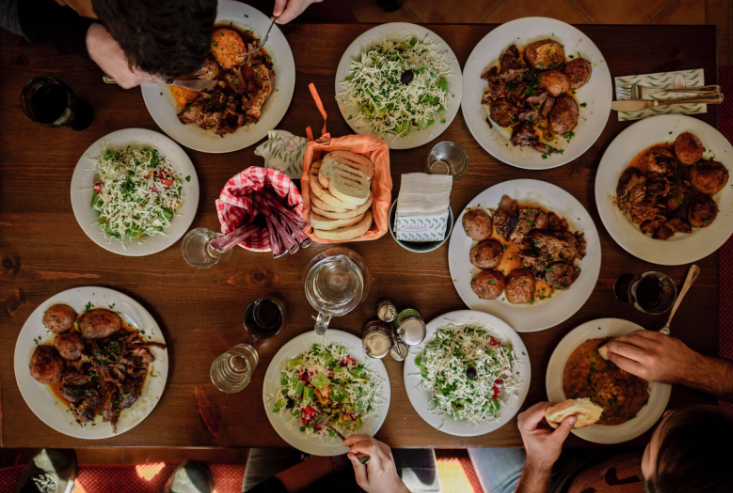
There’s a moment in every big dinner where everything seems to need the oven at the same time. The turkey isn’t done, the vegetables are waiting, something needs reheating—and suddenly your single oven feels like the bottleneck of the entire evening.
The good news: this is completely solvable. Cooking a large, multi-dish meal with one oven isn’t about squeezing everything in—it’s about timing, sequencing, and knowing which foods are more forgiving than others.
Once you understand the flow, it becomes less stressful and a lot more intentional.
The Big Idea: Cook in Waves, Not All at Once
Instead of thinking, “How do I cook everything together?” think:
What can be cooked early, what needs precision, and what must be served immediately?
From there, your oven schedule naturally falls into three phases:
- Long-cooking, flexible dishes first
- Main centerpiece next (like turkey)
- Quick, high-heat items last (like vegetables)
Start with What Can Wait: Beef Roasts & Long Cooks
If you’re making a beef roast, you’re in a great position. Beef is forgiving and actually benefits from resting.
Cook your roast earlier in the day—low and slow—and once it reaches temperature, pull it out and let it rest. Properly tented, it can hold heat for a long time without drying out.
That resting period isn’t downtime—it’s your opportunity to free up the oven for everything else.
This is why experienced hosts often cook beef well before guests arrive. It removes pressure later when timing matters most.
The Centerpiece: Timing the Turkey
Turkey is far less forgiving than beef. It needs to be cooked closer to serving time and benefits from careful timing.
Once your beef is out of the oven, the turkey becomes your main focus. Roast it at a steady temperature and plan for it to finish about 30–45 minutes before dinner.
That rest period is essential—it allows juices to redistribute—but it also creates a critical window where your oven is suddenly available again.
And that’s where everything else comes together.
The Final Push: Vegetables Go Last
Vegetables are at their best when they’re fresh, hot, and slightly crisp. They don’t benefit from sitting around, and they cook quickly—especially at higher temperatures.
As soon as the turkey comes out, turn the oven up and get your vegetables in.
This is your high-heat window:
- Brussels sprouts caramelize
- Carrots roast and sweeten
- Potatoes crisp up
- Green beans blister just enough
Because they cook fast, this final phase brings energy back into the kitchen right before serving. It’s the last step—and the one that makes the meal feel complete.
Use Resting Time as Your Secret Weapon
The biggest mindset shift is this:
Resting food is not idle time—it’s usable time.
- A beef roast can rest for an hour or more
- A turkey should rest at least 30 minutes
That overlap gives you flexibility. It’s how you “create space” in a kitchen that only has one oven.
Temperature Strategy: Work in Lanes
Trying to constantly adjust your oven temperature for every dish is where things fall apart.
Instead, think in stages:
- Lower temperatures earlier in the day for slow roasts
- Moderate heat for the turkey
- High heat at the end for vegetables
This keeps things simple and predictable—and avoids the chaos of constant adjustments.
Don’t Forget: Your Oven Isn’t Your Only Tool
A well-run dinner doesn’t rely on the oven alone.
Use your stovetop for reheating and finishing dishes. Keep mashed potatoes warm in a pot. Use a slow cooker if you have one. Even a covered dish wrapped in foil can hold heat longer than you’d expect.
The oven is important—but it doesn’t have to do everything.
A Simple Flow That Always Works
If you’re cooking both beef and turkey, this sequence is reliable every time:
- Cook the beef first and let it rest
- Roast the turkey and let it rest
- Finish vegetables at high heat just before serving
Everything arrives at the table hot, properly cooked, and without last-minute stress.
Final Thought
A one-oven kitchen doesn’t limit you—it forces you to cook smarter.
When you stop trying to do everything at once and start thinking in phases, the entire process becomes smoother, calmer, and honestly more enjoyable.
And when dinner hits the table right on time, with everything exactly as it should be—you’ll know it wasn’t luck. It was timing.