


Riding a motorcycle offers freedom and excitement, but it also demands a higher level of awareness and control than most other vehicles. For beginners and experienced riders alike, building strong fundamentals is crucial to staying safe on the road. Developing key motorcycle skills that enhance rider safety reduces risk and boosts confidence in a wide range of riding conditions.
Mastering Control and Balance
At the core of safe riding is the ability to control your bike smoothly. This starts with throttle management—knowing how to accelerate without jerking—and extends to precise braking. Riders should practice using both front and rear brakes effectively, especially during emergency stops.
Balance also plays a role at both low and high speeds. Maneuvering through tight turns, navigating parking lots, and handling stop-and-go traffic requires steady bike control. Regular practice in controlled environments can significantly improve these foundational skills.
Maintaining Situational Awareness on the Road
Motorcyclists are more exposed than drivers in enclosed vehicles, making awareness on the road essential. This means constantly scanning the road ahead, checking mirrors, and anticipating the behavior of other drivers. Defensive riding techniques, such as maintaining a safe following distance and positioning yourself visibly in traffic, can prevent many common accidents.
Understanding road conditions is equally important. Wet pavement, gravel, or uneven surfaces can quickly become hazards if you’re not prepared. Staying alert allows you to react quickly and adjust your approach as needed.
Communicating Effectively With Other Drivers
Motorcyclists rely heavily on non-verbal cues to communicate. Turn signals and brake lights help, but hand signals remain an important backup, especially in situations where visibility is limited or light signals fail.
Using proper hand signals can make a meaningful difference in how other drivers interpret your actions on the road. Whether a beginner or more experienced, every rider should know motorcycle hand signals that are sure to be recognized by others.
Cornering With Confidence
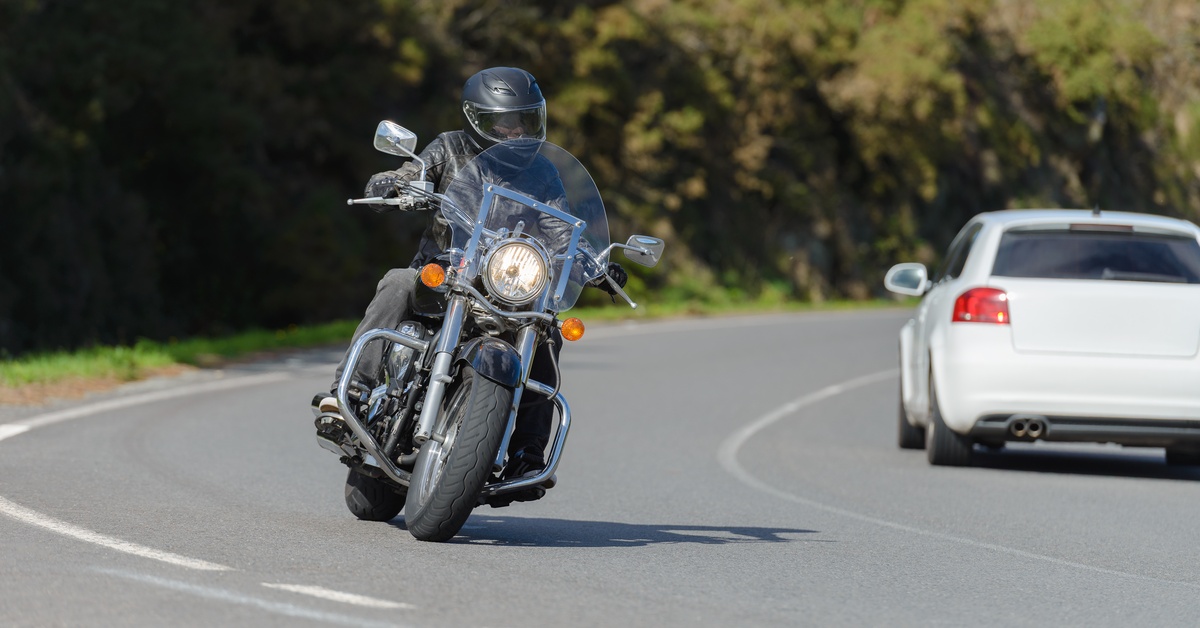
Cornering is one of the most challenging and rewarding skills to master. Safe cornering involves entering turns at the right speed, maintaining a consistent line, and leaning the bike appropriately.
Overcorrecting or braking mid-turn can lead to instability, so it’s important to approach curves with a clear plan. Practicing cornering techniques on quiet roads or in training courses can help you develop muscle memory and confidence over time.
Building Knowledge Before You Ride
Safety doesn’t start on the road—it begins with pre-ride preparation. Understanding your motorcycle, its capabilities, and its limitations is essential.
You should also consider broader factors when choosing and maintaining your bike. Knowing what to consider when buying a motorbike, like whether to buy new or secondhand, can influence both your safety and long-term satisfaction.
Continuous Learning Matters
Even seasoned riders benefit from ongoing education. Taking advanced riding courses, staying updated on safety practices, and regularly reviewing core techniques can make a noticeable difference. With these key motorcycle skills that enhance rider safety, you’ll be better equipped to handle unexpected situations.
Motorcycle safety is not about eliminating risk entirely; it’s about managing it intelligently. With the right skills and mindset, you can enjoy the open road while staying protected.