


If you’ve been diagnosed with sleep apnea, your doctor may have recommended using a CPAP machine. While it can seem intimidating at first, CPAP therapy is one of the most effective ways to improve your sleep, protect your health, and help you feel more energized during the day.
What Is a CPAP Machine?
CPAP stands for Continuous Positive Airway Pressure. It’s a machine designed to help people breathe more easily while they sleep.
CPAP is most commonly used to treat sleep apnea, a condition where the airway repeatedly becomes blocked during sleep. These interruptions can cause snoring, poor sleep quality, and repeated pauses in breathing throughout the night.
How CPAP Works
Using a CPAP machine is simple once you get used to it.
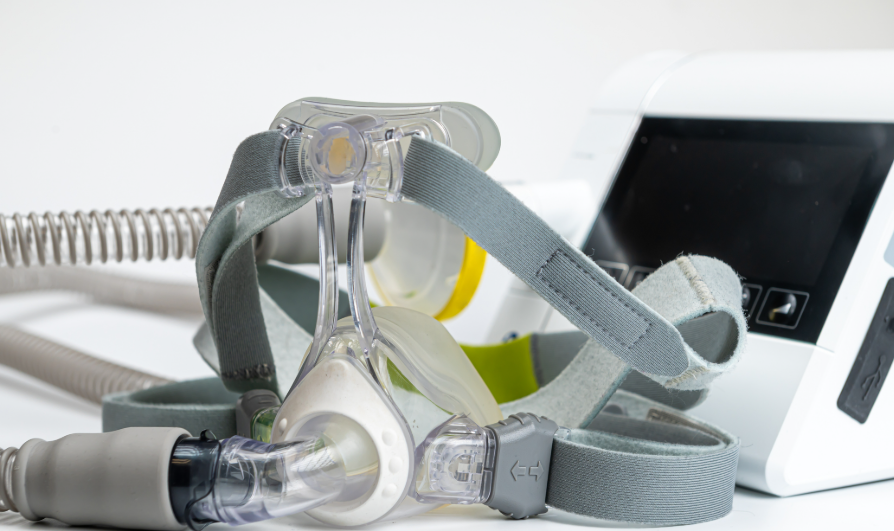
Before going to bed, you place a mask over your face. Depending on your needs, the mask may:
- Cover both your nose and mouth
- Cover only your nose
A properly fitted mask should feel comfortable and create a secure seal so air doesn’t leak out.
The mask connects to the CPAP machine through a flexible tube. Once the machine is turned on, it gently pushes air through the tube and into your airway.
This steady airflow creates pressure that keeps your airway open while you sleep. Instead of collapsing or becoming blocked, your airway stays clear so your body can continue getting the oxygen it needs throughout the night.
When you exhale, the carbon dioxide and airflow exit through small openings in the mask.
Your doctor or CPAP provider can adjust the machine’s pressure settings to ensure you receive the right amount of airflow for your specific needs.
Benefits of CPAP Therapy
At first, sleeping with a CPAP machine may feel unusual. Like any new routine, it takes time to adapt. However, using your CPAP consistently every night can provide major health benefits.
Many people experience:
- Better quality sleep
- Reduced snoring
- More energy during the day
- Improved concentration
- Less irritability or daytime fatigue
- Feeling more rested in the morning
CPAP therapy can also support long-term health by reducing strain on the heart and lowering risks associated with untreated sleep apnea.
Getting Comfortable With Your CPAP
It’s normal to need an adjustment period when starting CPAP therapy. Some people may initially experience discomfort, dryness, or trouble finding the right mask fit.
The good news is that there are many options available. Different mask styles, machine settings, and comfort accessories can make a big difference.
If you’re struggling with your CPAP machine, don’t stop using it without speaking to your doctor or sleep care provider first. Small adjustments can often solve the problem and make therapy much more comfortable.
A Better Night’s Sleep Is Worth It
Although CPAP therapy requires commitment, the benefits can be life-changing. Better sleep often leads to better mood, increased energy, and improved overall health.
With the right setup and support, many people find that they eventually can’t imagine sleeping without their CPAP machine.
Each morning, you may wake up feeling more refreshed, more alert, and ready to take on the day.