


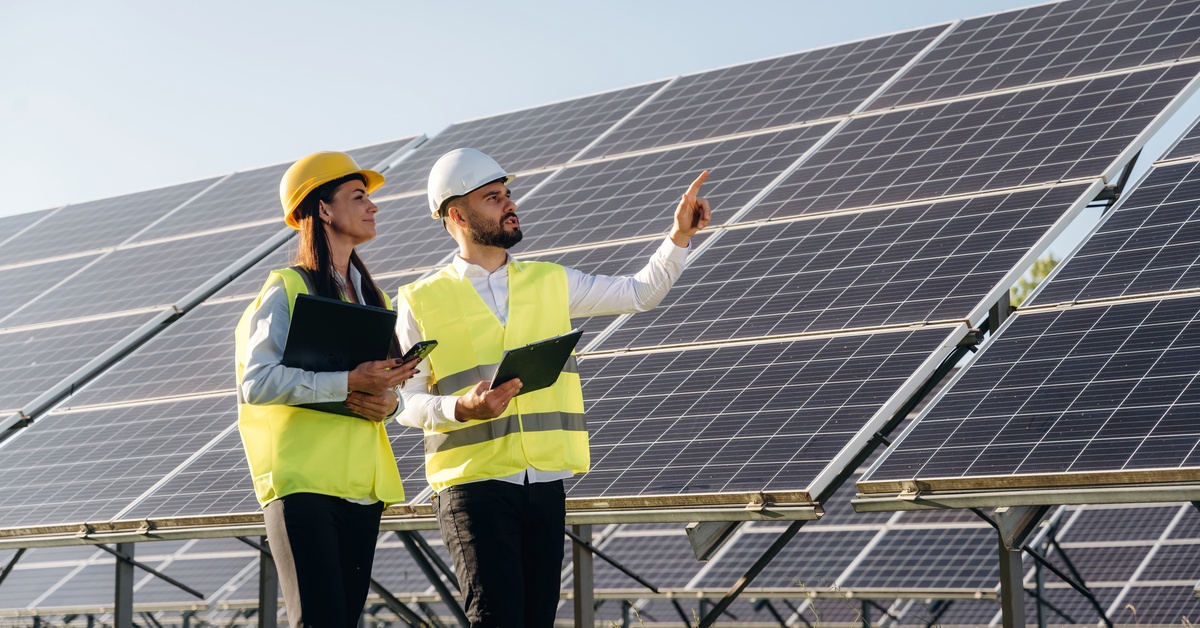
Large solar projects involve complex systems and strict regulatory requirements. Compliance updates matter for large solar projects because they help ensure safety across every phase of development.
Project teams must stay informed to avoid penalties and costly redesigns, even as compliance standards change over time. Keeping up with compliance updates supports smoother project execution and stronger operational outcomes.
Protecting Safety Across Large Installations
Safety remains one of the primary reasons compliance updates matter in the solar industry. Regulatory agencies revise standards to address new technologies and emerging risks from real-world installations. These updates help large-scale solar projects create safer environments for workers and the public.
Large solar systems often include extensive electrical infrastructure, energy storage components, and interconnected equipment. Updated compliance requirements help ensure proper installation methods and reduce the likelihood of electrical hazards. Teams that review code changes regularly can identify potential issues before they become serious problems.
Avoiding Costly Project Delays
Compliance issues can slow progress at nearly every stage of a solar project. Inspectors may reject installations that fail to meet current standards, forcing teams to make corrections and schedule additional inspections. These setbacks can increase labor costs and affect project timelines.
Developers who stay current with code revisions reduce the risk of unexpected obstacles. Many project teams should ask, “Are your solar placards compliant with 2026 NEC updates?” because proper signage plays a critical role in inspection approval and ongoing safety. Reviewing updated requirements early helps prevent avoidable compliance problems later.
Supporting Better Site Planning
Compliance updates often influence site design and infrastructure decisions. Regulations may affect equipment placement, access routes, utility connections, and emergency response considerations. Understanding these changes early allows developers to make informed planning decisions.
Site selection also plays a significant role in compliance success. Project stakeholders frequently evaluate zoning requirements, utility access, and environmental regulations before construction begins. In many cases, discussions of top considerations before buying commercial real estate overlap with solar compliance planning, as property characteristics can directly affect project approval and development potential.
Building Confidence With Stakeholders
Large solar projects often involve investors, utility companies, government agencies, and community stakeholders. These groups expect projects to meet all applicable regulations and safety standards. Strong compliance practices demonstrate professionalism and commitment to quality.
When organizations prioritize compliance updates, they create greater confidence among decision-makers. Investors may view well-managed compliance programs as indicators of reduced project risk. Utility partners and regulators also appreciate teams that consistently follow current requirements.
Compliance efforts can strengthen project reputations over time. Companies that maintain strong regulatory performance often experience smoother approvals and better working relationships with industry partners.
Staying Ahead of Change
Compliance updates matter for large-scale solar projects since they do more than satisfy regulatory requirements. They improve safety, reduce project risks, and strengthen stakeholder confidence. By staying informed and proactive, organizations can navigate industry changes while maintaining successful and compliant solar developments.