


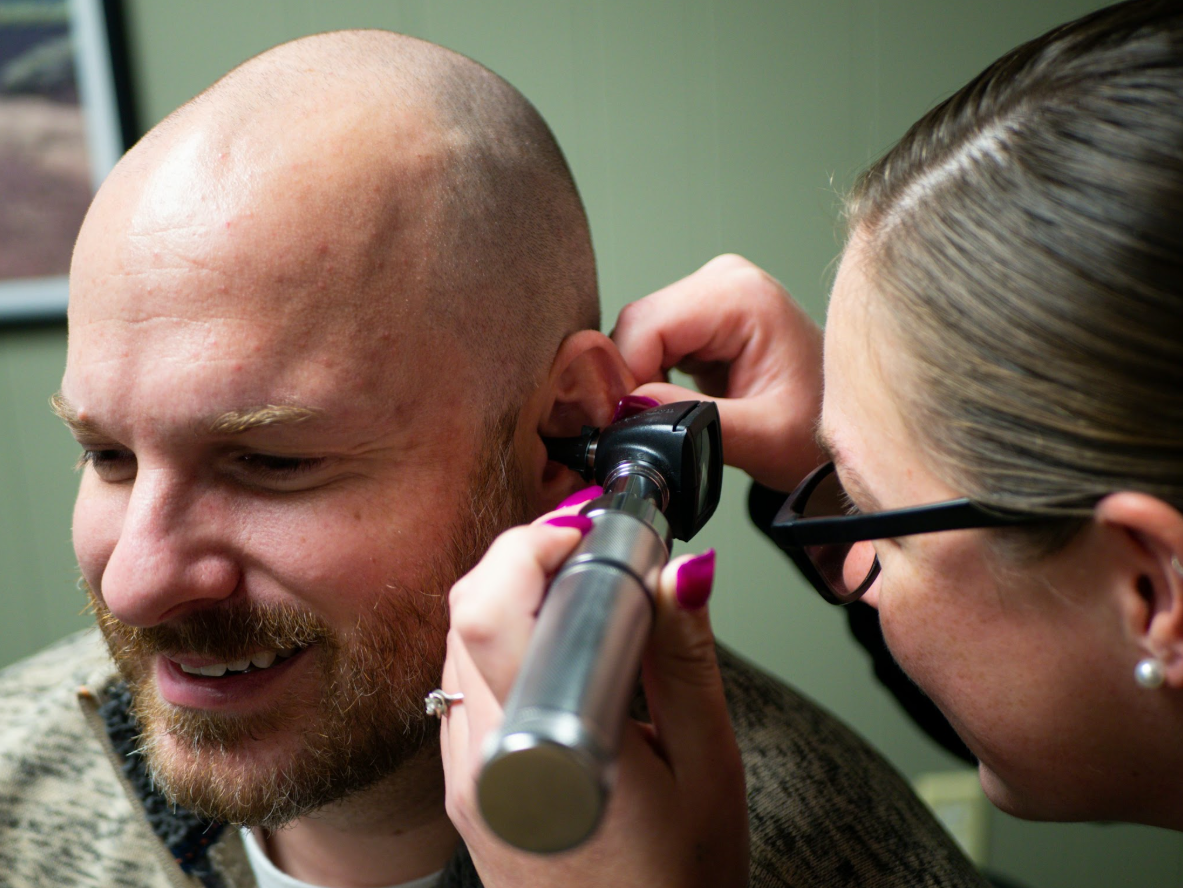
Discovering that you have tinnitus is never a pleasant experience. One day you find out that your foot is persistent ringing or buzzing, and it simply won’t go away. You don’t always know what to do about it.
The good news is that there are many treatments for tinnitus, but it requires taking the right approach. Here are some of the reasons why early intervention matters.
The cost of not managing your tinnitus
Tinnitus often occurs in people with hearing loss. It happens because the auditory cortex, which is used to experiencing stimulation all day long, is not receiving the usual nerve signals from the cochlea. As a result, it begins to hallucinate sounds in the environment, which usually manifests as a whirring, buzzing, or ringing noise in the ears.
For many people, this phantom sound can be frustrating and anxiety-producing. It can also register in the brain as a threat or appear louder the more you focus on it. Leaving tinnitus unchecked doesn’t just impact your hearing. It can have many other effects on your life, according to the American Tinnitus Association. For example:
- Around 70% of people with tinnitus experience sleep disruption. The sound from the condition makes it much harder to get a restful night, reducing productivity in the day and leading to chronic insomnia.
- There’s also the risk of cognitive fatigue. Constant background noise from tinnitus forces the brain to work harder, making it less able to concentrate on other tasks during the day. This can impact work or even social interactions if it isn’t managed properly.
- The mental health impact is another problem. Many people with prolonged and unmanaged tinnitus fall into anxiety and depression. They don’t want to go out as much, and the auditory stimulation itself can lead to high levels of distress.
- Some people become more sensitive to quiet environments. Silence can actually make tinnitus seem louder, which is why many individuals begin relying on televisions, fans, or background music to help them relax.
- Relationships can also suffer. Irritability caused by lack of sleep and constant frustration may affect communication with family members, friends, and coworkers.
- In severe cases, untreated tinnitus may contribute to social withdrawal. People often avoid restaurants, gatherings, or public places because the condition makes conversations more difficult and exhausting.
Why early intervention is so important
Seeking help early can make a significant difference in how tinnitus affects your life long term. The earlier hearing issues are identified, the easier it is to reduce strain on the brain and improve quality of life. Many patients report better outcomes when treatment begins before tinnitus becomes emotionally overwhelming.
Early intervention can also help doctors rule out underlying medical issues. In some cases, tinnitus may be linked to earwax buildup, ear infections, jaw disorders, medication side effects, exposure to loud noise, or circulatory problems. Identifying these causes quickly may prevent symptoms from worsening.
Another advantage of early treatment is protecting your hearing from further damage. People who work in noisy environments or regularly listen to loud music through headphones may unknowingly accelerate hearing loss over time. Audiologists can recommend hearing protection strategies that preserve long-term hearing health.
Lifestyle changes that may help
While there is no universal cure for tinnitus, healthy lifestyle habits can often reduce symptom severity. Many healthcare professionals encourage patients to:
- Limit exposure to loud noises whenever possible
- Reduce stress through meditation, exercise, or relaxation techniques
- Cut back on excessive caffeine, alcohol, and nicotine if these appear to trigger symptoms
- Maintain a consistent sleep schedule
- Stay physically active to improve circulation and overall health
Stress management is especially important because anxiety can intensify tinnitus symptoms. Activities like yoga, breathing exercises, journaling, or spending time outdoors may help calm the nervous system and reduce awareness of ringing in the ears.
Management strategies for tinnitus
The good news is that there are many ways to manage tinnitus. The best option is to find a hearing aid store and get assistive hearing devices. These improve the amount of stimulation reaching your auditory cortex, reducing the risk of it constantly producing auditory hallucinations.
Another option is to go for sound therapy. This uses natural sounds or white noise built into specialized hearing aids to create constant audio in the background. Many people find that this masks the tinnitus sounds and can even eliminate it entirely, making ringing and buzzing less noticeable.
If the tinnitus is severe, audiologists may recommend that you go to a cognitive behavioral specialist. These therapists help you reframe your emotional reaction to your tinnitus so that you don’t experience as much of a threat trigger. The result is a significant reduction in anxiety and a sense of being under threat. Instead, you will often find that after a series of sessions you feel significantly more relaxed.
Some patients also benefit from tinnitus retraining therapy (TRT), a long-term treatment that combines counselling with sound therapy. The goal is to train the brain to filter tinnitus into the background so it becomes less noticeable over time.
If you’re experiencing worsening tinnitus, get immediate help from an audiologist or a doctor who specializes in hearing issues. They can eliminate simple physical symptoms and provide you with options to deal with the underlying tinnitus. Early support can make a major difference in preserving both your hearing and your overall well-being.