


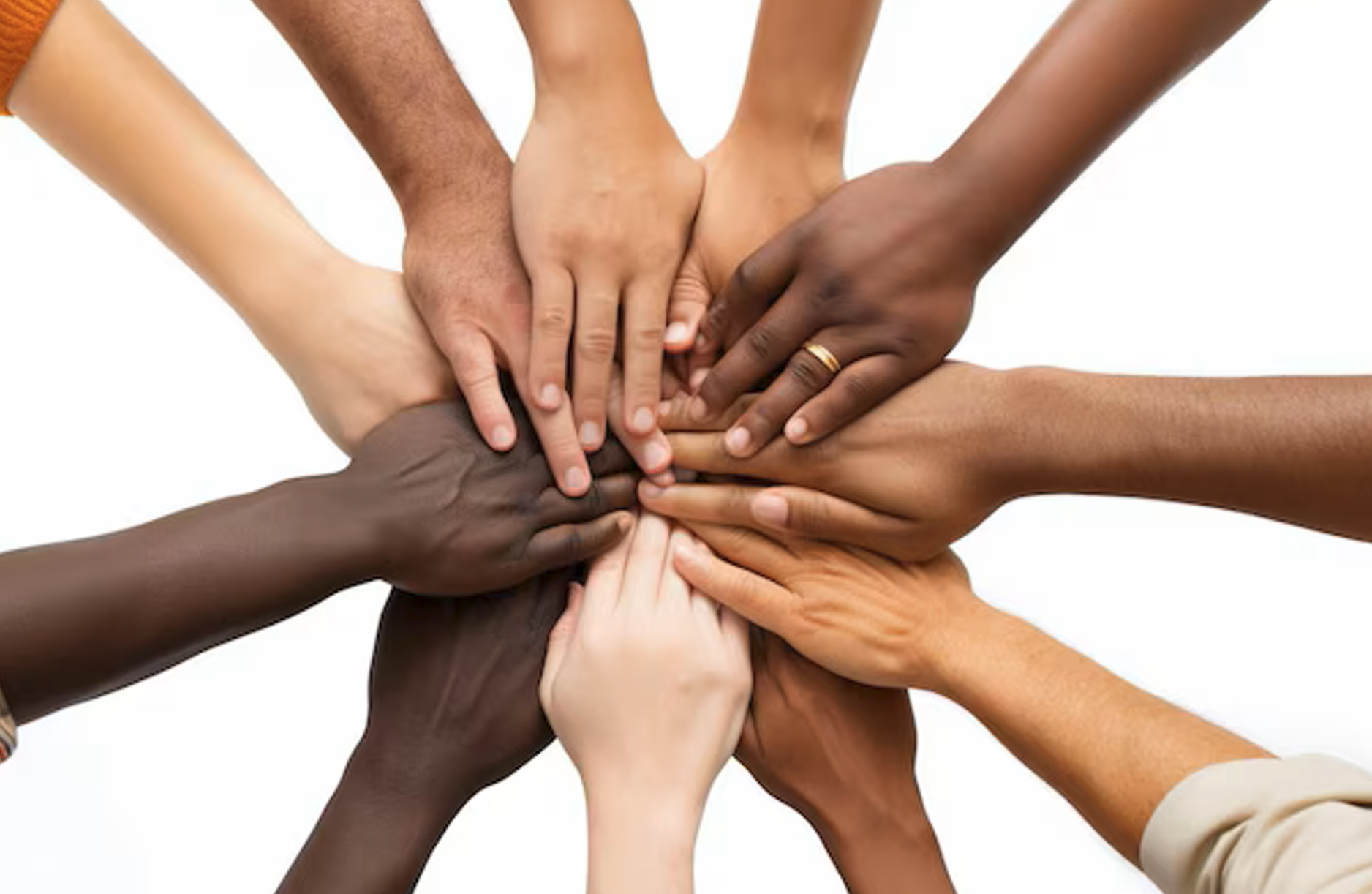
In Guam and across the Mariana Islands, generosity isn’t just a nice thing to do — it’s a way of life. There’s a deep-rooted cultural system that keeps families and communities strong through acts of kindness and reciprocity. It’s called chenchule’, and it’s more than just giving — it’s the glue that keeps the Chamorro spirit alive.
What Is Chenchule’?
At its core, chenchule’ is about supporting one another — during celebrations, milestones, and even moments of loss. You’ll see it when someone contributes food or money to a wedding, a baptism, or a funeral. You’ll feel it when neighbors show up to lend a hand, no questions asked.
But the true power of chenchule’ isn’t just in the giving — it’s in the connection that follows. Each act of kindness strengthens the bond between families and friends, reminding everyone that no one stands alone.
Giving Is Only Half the Story
While many think of chenchule’ as giving, it’s just as much about receiving.
When someone accepts your gift — whether it’s money, food, or help — that acceptance carries meaning. It creates a living link between you. A quiet understanding that, when it’s your turn, you’ll be there for them too.
Some families even keep lists of who contributed to their events — not to keep score, but to remember and honor those connections. It’s a beautiful way of saying, “We’re in this together.”
Give and Take: The Cycle That Keeps Us Connected
In the Chamorro language, the word chule’ means both “to give” and “to take.” That alone captures what chenchule’ is all about — giving and receiving are two sides of the same coin.
It’s a cycle of generosity that flows through families, villages, and generations. Each act continues the balance, keeping relationships warm and communities strong.
Why Accepting a Gift Matters
There’s a Chamorro saying that translates roughly to:
“It’s better to ask and not receive than to be given something and refuse it.”
That simple truth speaks volumes. In Chamorro culture, saying no to a gift doesn’t just decline the item — it turns away the relationship behind it.
Accepting a gift means acknowledging your place in a shared web of care and community. It means saying, “I see you. I appreciate you. I’ll be there when it’s your turn.”
Keeping the Spirit Alive
Chenchule’ isn’t about obligation — it’s about gratitude, respect, and unity. Every act of generosity, no matter how small, keeps that spirit alive.
When someone brings over corn soup after a funeral or drops off empanadas for your celebration, that’s more than food — that’s the living heartbeat of chenchule’.
Through giving and receiving, we honor our ancestors, nurture our relationships, and remind ourselves that true strength is found in community.