


Tuesday, February 3, 2026
spot_img
Home Blog Page 8

Creating Restaurant SOPs That Boost Efficiency and Safety

0
A woman in a navy sweater points to a laptop screen as a seated man in a green apron smiles beside her.

When every shift feels like putting out a fire, it’s usually not a staffing issue. It’s more often a systems issue. Without clear processes, safety slips, and time gets wasted.

Below, we’ll look at what goes into creating restaurant SOPs that boost efficiency and safety and why every detail matters.

Prioritize Task Clarity

Standard operating procedures (SOPs) are most effective when they leave little room for interpretation. Vague directions, such as “Clean the station” or “Check food temps,” won’t cut it. Tasks should outline exactly what to do, who is responsible, how often it should be done, and what tools or materials are needed.

Here’s a simple example: Instead of “Sanitize prep area regularly,” write, “Wipe down cutting boards with quat sanitizer every two hours using labeled green cloths.” This removes ambiguity and sets measurable expectations. When every task has a name, a time, and a method, execution becomes easier and faster.

Clarity gives every team member the confidence to act without second-guessing or waiting for instructions during busy shifts.

Standardize Cleaning and Prep Routines

Prep and sanitation tasks are prone to shortcuts when procedures aren’t nailed down. Your SOPs should specify when each cleaning task happens during a shift, which products are approved, and where backups are stored. Timers or shift-specific checklists can help these tasks become second nature.

A strong SOP also reinforces food safety without overcomplicating your process. Include glove-changing guidelines, color-coded cutting boards, and storage instructions as part of your SOPs. Preventing cross-contamination in your restaurant should be baked into how your team works.

Even subtle changes, such as placing sanitizer buckets in more accessible spots, can reinforce these routines without adding friction.

Train With Intention and Consistency

The best documentation will fail without follow-through. You must train all new hires on SOPs within their first five days, using both demonstrations and hands-on practice. A laminated copy isn’t enough.

For ongoing staff, carve out 10-minute huddles twice a week to revisit high-impact procedures or walk through common missteps. This keeps expectations fresh and gives your team a chance to discuss what’s working and what isn’t. When restaurant staff training becomes a habit, SOPs stop collecting dust.

Revisit and Adjust Every 90 Days

No SOP should be set in stone. Revisit your procedures 30 days after rollout, then continue evaluating them every 90 days. Use feedback from shift leads, audit logs, and team surveys to spot outdated or unclear expectations.

Sometimes, refreshing your procedures is all it takes to uncover slowdowns and compliance gaps. Making small but frequent changes is one of the most overlooked tips to turn around your struggling restaurant business, and it costs nothing but attention.

Write for the Workflow, Not the Binder

Creating restaurant SOPs that boost efficiency and safety starts with observing how your restaurant runs. Start at the back door, and follow the flow—deliveries, prep, service, and clean-up. Don’t build your systems around a template. Build them around how your team works best, then adjust from there.

Sometimes, the smartest SOP is the one that trims three steps, not one that adds two more.

3 of the Best Fruit Trees for a Midwest Garden

0
A close-up on a bunch of ripe, golden apricots on a branch in the sunlight.

Thinking about adding some fruit trees to your Midwest garden? You’re in luck. The region’s fertile soil and distinct seasons create a great environment for a variety of fruit-bearing trees. Choosing the right ones, however, is key to a successful harvest.

Now that you know how gardening boosts your mental health, you’re ready to jump right into gardening and reaping all the benefits. But even though you may want a lemon tree, that may not be the best if you live in an area with a long winter. To help you decide, we’ve created this brief guide. It highlights some of the best fruit trees that thrive in the Midwest, helping you turn your backyard into a personal orchard.

Apple Trees

Apple trees are a classic choice for any garden, and they perform especially well in the Midwest. Many varieties are cold-hardy, meaning they can withstand the region’s chilly winters.

Popular Midwest Varieties

  • Honeycrisp: Known for its explosive crispness and sweet-tart flavor, this variety is a fan favorite. It ripens in late September and handles cold temperatures well.
  • Gala: These smaller, sweet apples are perfect for snacking. Gala trees are productive, and the fruit ripens in late August.
  • McIntosh: A versatile apple with a tart flavor, McIntosh is great for eating fresh, making applesauce, or baking pies.

When planting apple trees, remember that most varieties need another apple tree nearby for cross-pollination to produce fruit.

Pear Trees

Pear trees offer beautiful spring blossoms and delicious fruit in late summer or fall. Like apples, they require a bit of patience but reward you with decades of produce.

Recommended Varieties

  • Bartlett: This is one of the most popular pear varieties in the world. Its sweet, juicy fruit is perfect for canning or eating fresh.
  • Anjou: Anjou pears, available in both green and red varieties, have a mild, sweet flavor and a firm texture that holds up well in cooking.

Plant at least two different pear varieties to ensure good pollination and a bountiful harvest.

Apricot Trees

While you might associate apricots with warmer climates, certain varieties can flourish in the Midwest. Planting them in a protected spot, like near the south-facing wall of your house, can shield them from the harshest winter winds and late spring frosts.

Cold-Hardy Choices

  • Goldcot: Developed in Michigan, this variety is specifically bred for colder regions. It produces medium-sized, golden fruit with a rich flavor.
  • Harcot: This Canadian variety is also very cold-hardy and produces sweet, flavorful fruit that ripens in mid-summer.

Apricot trees are often self-pollinating, so you might only need one tree to get fruit. Still, make sure to consider some key factors before you buy, such as where you’ll plant for the best protection.

Get Ready To Plant

Growing your own fruit can be an incredibly rewarding experience. By selecting trees that are well-suited to the Midwest climate, you set yourself up for years of delicious, homegrown produce. Whether you choose a crisp apple, a juicy pear, or a sweet apricot, you’ll enjoy the fresh flavors of your own harvest.

Take Flight: 7 Best Hot Air Balloon Destinations in the US

0
A yellow hot air balloon floats next to some red rock mountains in Sedona, Arizona at sunrise.

Nothing beats floating peacefully above stunning landscapes while sipping champagne at sunrise. Hot air ballooning offers a unique perspective that transforms ordinary scenery into breathtaking panoramas. Whether you’re planning a romantic proposal, celebrating an anniversary, or simply want to tick an item off your bucket list, these seven destinations are the best places to go on a hot air balloon ride in the US.

Napa Valley, California

Wine country takes on new meaning when you drift above endless vineyards at dawn. Napa Valley’s rolling hills create perfect thermals for smooth flights, while the patchwork of green vines below tells the story of America’s premier wine region.

If you planned an outdoor wedding, start your weekend with a hot air balloon ride. Magic awaits in every part of California.

Albuquerque, New Mexico

Every October, Albuquerque transforms into the hot air balloon capital of the world during the International Balloon Fiesta. Hundreds of colorful balloons fill the desert sky in the largest gathering of its kind. Even outside festival season, the high desert climate creates ideal flying conditions year-round. The Rio Grande bosque and Sandia Mountains provide stunning backdrops that photographers dream about.

Sedona, Arizona

Sedona’s red rock formations create one of the most dramatic balloon experiences in America. The towering sandstone pillars and deep canyons look even more magnificent from above, with colors that shift from deep crimson to golden orange as sunlight hits the rocks. Cathedral Rock, Bell Rock, and Oak Creek Canyon sprawl beneath you like a natural art gallery.

Asheville, North Carolina

The Blue Ridge Mountains offer a completely different ballooning experience, with dense forests and misty peaks creating an almost mystical atmosphere. Fall brings spectacular foliage that paints the mountains in brilliant reds, oranges, and yellows. Spring flights reveal waterfalls cascading down mountainsides and wildflowers blooming across meadows. The Appalachian terrain provides gentle winds and stunning photo opportunities.

Park City, Utah

This mountain resort town delivers year-round beauty from above. Summer flights showcase green valleys dotted with wildflowers and crystal-clear mountain lakes. Winter ballooning offers the rare chance to float over snow-covered peaks and frozen landscapes that sparkle like diamonds. The contrast between the warm basket and cold mountain air creates an invigorating experience you’ll never forget.

Temecula, California

Southern California’s wine country provides a gentler alternative to Napa Valley’s crowds. Rolling hills covered in vineyards stretch toward distant mountains, creating perfect balloon weather and gorgeous scenery. The Mediterranean-style climate means you can fly comfortably almost any time of year. Many operators combine flights with wine tastings, making this an ideal romantic getaway.

Jackson Hole, Wyoming

The Grand Tetons create one of America’s most dramatic balloon backdrops. These jagged peaks rise directly from the valley floor, creating spectacular contrasts between pastoral ranch land and towering mountain walls. Wildlife spotting from above adds excitement to the experience—elk, moose, and even bears occasionally appear in the meadows below.

Ready for Takeoff

Hot air ballooning combines adventure with serenity in ways few activities can match. Each destination offers unique landscapes and experiences, from desert sunrises to mountain vistas to vineyard valleys. Book your flight and prepare for your first ride. We guarantee that once you’re up in the air, you’ll start planning your next takeoff before you even land.

The Ultimate Guide to Comfortable Pajamas for Curvy Women: Style Meets Comfort

0

When night falls and it’s time to unwind—whether you’re at home or halfway across the world—every woman deserves to slip into a pair of pajamas that feel like a second skin. For curvy women, especially, packing the right sleepwear while traveling is essential. Think about those long-haul flights, chilly hotel rooms, or cozy evenings in a cabin—your pajamas aren’t just for sleeping; they’re your go-to for lounging, quick breakfasts, and feeling comfortable in unfamiliar places. Having pajamas that are both flattering and functional can make all the difference between a restless night and a truly relaxing escape.

Curvy women know the struggle of finding sleepwear that’s stylish yet designed to fit and celebrate their shape. With the right guidance, it’s entirely possible to find that perfect blend of ease, elegance, and travel-friendly practicality in your sleepwear. In this article, we’ll journey through the essential tips for selecting cozy, flattering pajamas that embrace your curves—whether you’re at home or on the move.

Understanding the Importance of Proper Fit and Size for Curvy Figures

Finding the right pajamas is essential for curvy women, as a poor fit can cause discomfort like tight hips or tops that ride up. Navigating brand sizing charts can be challenging, making accurate body measurements key to ensuring comfort. Many women size up for ease, but this often leads to an unflattering look.

The best fit should feel natural, offering comfort without extra fabric that bunches during sleep. Features such as adjustable straps, elastic waistbands, and well-proportioned cuts help provide support and coverage. With inclusivity gaining traction, more brands now design sleepwear tailored to plus-size and curvy figures, balancing style with the unique needs of fuller body types.

Exploring Fabric Choices for Ultimate Comfort in Pajamas

The fabric of pajamas plays a vital role in comfort, just as much as the fit. Soft, breathable materials like cotton and modal help regulate body temperature, wick away moisture, and keep sleepers cool. Silk offers a luxurious feel and elegance, but demands delicate care and lacks the durability of cotton or modal. For colder nights, fleece and flannel provide warmth while maintaining comfort.

Stretch fabrics with spandex or elastane ensure flexibility, making them especially suitable for curvy women by accommodating curves and reducing tightness. Choosing high-quality fabrics is essential, as scratchy or stiff materials can irritate the skin, while softer textiles retain comfort through repeated washes.

The Role of Style and Personal Aesthetics in Selecting Curvy Pajamas

Style in sleepwear is all about personal expression, and curvy women have plenty of chic options that go beyond plain designs. From bold prints to feminine lace accents, pajamas can highlight favorite features like a V-neck that frames the neckline or a drawstring waist that flatters curves. Pyjamas confortables pour femmes rondes offer both style and ease, making them perfect for lounging or a restful night’s sleep.

Color and pattern choices also help create a unique bedtime look. Whether opting for soft neutrals that soothe or vibrant hues that bring energy, curvy women can embrace designs that reflect their personality. The key is choosing sleepwear that feels good and boosts confidence, making bedtime as stylish as it is comfortable.

Essential Features to Look for in Pajamas for Curvy Women

When shopping for pajamas suited to curvy figures, certain design elements can enhance both comfort and style. Adjustable straps on camisoles and drawstrings on bottoms provide a customizable fit that accommodates body changes without restricting movement. Practical features like pockets add convenience, though their placement and size should maintain the garment’s shape and aesthetic appeal.

A key detail is the waistband, where wide, non-binding elastic bands prevent discomfort, rolling, or digging into the skin while offering flexibility for natural movement. Choosing durable, easy-care fabrics is also important, as they withstand frequent washing and maintain their structure, ensuring the pajamas remain reliable staples in a nightly routine.

Navigating the Best Places to Shop for Curvy Pajamas Online and Offline

The search for the perfect pajamas for curvy women can involve both online and offline shopping. Online platforms provide convenience, wide selections, and specialized retailers offering diverse sizes and styles. Features like filters, size guides, and customer reviews help streamline choices and ensure better fit and satisfaction.

Offline shopping, by contrast, allows women to try on pieces, feel fabrics, and assess quality directly, with many stores expanding their plus-size sections to meet growing demand. Still, online marketplaces often present a greater variety, catering more specifically to curvy preferences. Recommendations from peers and online communities also play a vital role, guiding shoppers toward trusted brands and reliable options.

Overall, the quest for comfortable and chic pajamas for curvy women doesn’t have to be fraught with compromise. Keeping in mind the importance of fit, fabric, style, and key features can lead to finding sleepwear that feels like it’s made just for you. Whether you shop online or in-store, remember that your comfort and confidence take priority over all else. Embrace your curves, indulge in self-care, and allow your nighttime attire to be a source of joy as you end each day.

Planning the Perfect Luxury Winter Escape Without Breaking the Bank

0
Courtsey of Alan Chan

Winter luxury travel doesn’t have to drain your savings account. With thoughtful planning and strategic booking, anyone can experience the magic of premium winter destinations without the premium price tag typically associated with them. The key lies in understanding how the luxury travel market works and knowing when to splurge versus when to save.

Understanding Winter Luxury Travel Pricing

The luxury winter travel market operates differently from summer holidays. Peak season pricing hits hardest during the Christmas and New Year periods, but there are significant opportunities for savings outside these windows. January through March often offers the best value, particularly for destinations that maintain their winter appeal long after the holiday season has passed.

Weather patterns play a huge role in pricing strategies. February and March typically deliver excellent snow conditions and winter activities while commanding lower prices than December holidays. This timing also means fewer crowds at popular attractions and restaurants, creating a more exclusive experience without the exclusive price tag.

Strategic Booking Approaches

Package deals often provide the best value for luxury winter escapes, especially when they include accommodation, meals, and activities. Tour operators frequently offer better rates than booking components separately, thanks to their bulk purchasing power with hotels and activity providers.

Early booking remains one of the most reliable ways to secure luxury experiences at reasonable prices. Many operators offer significant early bird discounts for bookings made six months in advance. However, last-minute deals can also work in your favor if you’re flexible with dates and destinations.

For travelers seeking exceptional winter experiences, luxury winter holidays to Sweden represent excellent value due to the country’s extended winter season and comprehensive package offerings that often include unique activities like dog sledding and Northern Lights viewing.

Timing Your Winter Escape

The shoulder seasons of winter luxury traveltypically late January through early Marchoffer the sweet spot between weather conditions and pricing. During these months, most winter destinations maintain full activity schedules while hotels reduce rates to fill rooms after the holiday season.

Weekday departures can slash costs significantly compared to weekend starts. Tuesday through Thursday departures often come with substantial savings on both flights and accommodation packages. This strategy works particularly well for longer trips where the departure day becomes less important once you’re settled into your destination.

Consider the length of your stay carefully. Many luxury properties offer better per-night rates for stays of four nights or longer. The additional nights often cost considerably less than the first few, making extended stays surprisingly affordable.

Destination Selection Strategy

Not all luxury winter destinations command the exact premium pricing. While some locations like St. Moritz or Aspen maintain high prices throughout winter, other equally stunning destinations offer comparable experiences at lower costs.

Nordic countries often provide exceptional value for winter luxury travel. Their extended winter seasons mean hotels and tour operators spread their fixed costs across more months, resulting in better pricing for travelers. The quality of winter infrastructure in these regions also ensures luxury experiences regardless of when you visit.

Research destinations that are gaining popularity but haven’t reached premium pricing levels yet. These emerging winter luxury spots often offer cutting-edge facilities and services while maintaining competitive pricing to attract visitors.

Smart Splurging Strategies

When working with a limited budget, focus your luxury spending on experiences rather than accommodation upgrades. A standard room at a high-end property often provides the same access to facilities and services as premium suites, but at a fraction of the cost.

Prioritize unique activities that can’t be replicated elsewhere. Dog sledding, reindeer encounters, and Northern Lights tours create lasting memories that justify their cost. These experiences often represent better value than expensive meals or spa treatments.

Consider staying slightly outside main resort areas where accommodation costs drop significantly while maintaining easy access to premium activities. Many winter destinations offer shuttle services or easy transportation links that make this strategy practical.

Package Deal Evaluation

When comparing package deals, look beyond the headline price to understand what’s included. Some packages that appear expensive actually offer excellent value when you factor in meals, activities, and transfers that cost significantly more when booked separately.

Read package inclusions carefully. Premium packages often include gratuities, some meals, and activity equipment rental – costs that can add up quickly when paying separately. Calculate these additional expenses when comparing options.

Be wary of packages that seem too good to be true. Ultra-low prices often come with hidden costs or significant limitations that can turn a bargain into an expensive disappointment.

Making It Work

Luxury winter travel becomes accessible when approached strategically rather than impulsively. Focus on destinations and timing that offer the best value, prioritize experiences over accommodation upgrades, and take advantage of package deals that bundle services effectively.

The most successful luxury winter escapes strike a balance between careful planning and flexibility. By understanding pricing patterns and booking strategically, winter luxury becomes achievable without compromising on the quality of experience. Smart travelers can enjoy premium winter destinations, world-class facilities, and unforgettable activities while staying within reasonable budgets.

Remember that luxury in winter travel often comes from the destination and activities rather than expensive hotels alone. Choose your winter escape wisely, and you’ll discover that premium winter experiences don’t require premium budgets.

5 Reasons Why Your Vehicle May Be Vibrating

0
Close-up of a mechanic's hands as they install a brand new torque converter on an automatic transmission.

When your car vibrates, it can be an incredibly unsettling and concerning experience. Understanding some of the common causes of vehicle vibrations can help you resolve these problems. Review these five reasons why your vehicle may be vibrating so you can get to the heart of the issue much faster.

Your Vehicle Has Worn Tires

Worn tread on your tires can create an imbalanced contact patch with the road surface, resulting in shaking in your vehicle. Bulges, flat spots, or separation in the tire structure can also create significant vibrations that worsen over time. Performing regular tire inspections and shopping for new car tires when the tread depth reaches the wear indicators can prevent these issues from developing.

Your Torque Converter Is Failing

If you have an automatic transmission, your vehicle may be vibrating because your torque converter is failing. Common symptoms include vibrations that occur primarily when the car is in drive but stopped or during light acceleration from a standstill.

The vibrations may feel like a shuddering sensation that seems to originate from beneath the vehicle. Take time to review tips on choosing the best torque converter before you start shopping for one.

Your Tires Must Be Rebalanced

Even relatively new tires can develop balance issues over time due to standard wear patterns, road conditions, or the loss of wheel weights. Tire imbalance occurs when the weight distribution around the wheel and tire assembly becomes uneven, causing the tire to wobble slightly as it rotates.

The vibrations from unbalanced tires are usually felt most strongly in the steering wheel for front tire imbalances. In contrast, rear tire imbalances tend to cause vibrations felt throughout the vehicle’s body. Professional wheel balancing involves placing small weights on the rim to counteract heavy spots and restore smooth rotation.

Your Brake Caliper Needs Service

Brake system components can be a significant source of vehicle vibrations, particularly brake calipers that are sticking, warped, or unevenly applying pressure to the brake rotors. When a brake caliper fails to release correctly, it maintains constant contact with the rotor, creating heat buildup and uneven wear patterns that result in vibrations during driving.

This may cause your brake rotors to become warped, resulting in a pulsing sensation while braking. Contaminated brake fluid, worn caliper pistons, or damaged caliper slides can all contribute to uneven braking force application that manifests as vehicle vibrations.

The Engine Needs New Spark Plugs

One last reason why your car may be shaking is that it has fouled spark plugs. These may result in your engine misfiring and creating vibrations throughout the vehicle. When spark plugs fail to ignite the air-fuel mixture consistently, it disrupts the smooth power delivery from the engine’s cylinders.

This irregular combustion creates vibrations that you can feel through the steering wheel, seats, and floorboard. Carbon buildup, electrode wear, or incorrect gap spacing can all cause spark plug performance issues that result in engine vibrations and reduced performance.

Addressing vehicle vibrations promptly is essential for maintaining both comfort and safety while driving. Fortunately, by performing responsible maintenance, you can prevent many of these problems from developing into more serious and expensive repairs.

How To Prepare To Get Your Motorcycle License

0

Getting your motorcycle license opens up a world of freedom on two wheels. The process requires preparation, practice, and patience, but the reward of hitting the open road makes every step worthwhile. This guide walks you through everything you need to know to earn your motorcycle endorsement and start riding legally.

Know Your State’s Requirements

Each state has different requirements for motorcycle licensing. Most require you to pass both a written knowledge test and a skills test, while some offer alternatives, like completing a motorcycle safety course instead of taking the skills test. Contact your local DMV or check their website to understand exactly what your state requires.

Get the Right Gear

Wearing the proper gear is among the most important safety tips for riding. You’ll need a DOT-approved helmet, sturdy boots that cover your ankles, long pants, and a jacket with long sleeves. Gloves protect your hands and improve your grip, and bright colors or reflective materials increase your visibility to other drivers.

Don’t skimp on quality when choosing gear. Your equipment needs to protect you during your skills test and every ride afterward.

Consider Taking a Safety Course

Motorcycle safety courses teach essential skills while potentially providing a path to skip your state’s skills test. The Motorcycle Safety Foundation offers courses nationwide, and many community colleges provide training, too. These courses typically span a weekend and include both classroom instruction and hands-on riding practice.

Instructors teach you proper techniques for starting, stopping, turning, and emergency maneuvers. You’ll practice on a closed course before venturing into traffic. Many insurance companies offer discounts for completing an approved safety course, which can offset the course fee.

Practice Your Skills

If you choose to take your state’s skills test instead of a safety course, practice is essential. You’ll need access to a motorcycle and a safe place to practice. Empty parking lots work well for learning basic maneuvers like tight turns, figure eights, and quick stops.

Master the skills your test will evaluate. Common test elements include navigating cones, making sharp turns at slow speeds, and demonstrating proper braking technique. Practice until these maneuvers become second nature.

Prepare for Test Day

Arrive at your test with all required documents, including proof of identity, residency, and any completed training certificates. Bring a motorcycle that’s street-legal, registered, and insured. The bike should be in good working condition with functioning lights, signals, and brakes.

If your test takes place on a snowy day, a bit of extra practice will be crucial. You need to stay safe while riding your motorcycle in the winter, as conditions become more challenging.

Getting your motorcycle license marks the beginning of your riding journey. The preparation you do now sets the foundation for years of safe, enjoyable riding. Take the process seriously, invest in quality training and gear, and remember that earning your license is just the first step in becoming a skilled motorcyclist.

How to Handle Getting a Traffic Ticket

0

Getting a traffic ticket is never a pleasant experience. Whether you’ve got one for speeding, running a red light, or improper parking. It can feel like a costly and stressful mistake to make because that’s exactly what it is. It’s a mistake, and now it’s going to cost you money. But how you respond to the ticket can make a big difference, both legally and financially.

Well, we’d love to tell you to toss the ticket aside and ignore it. It’s not a good idea. You should never ignore a ticket because it is a big deal, and even if you do want to deal with it later, that can lead to much bigger problems. Unpaid tickets often escalate into additional fines, license suspension, or even a warrant for your arrest. That all depends on your jurisdiction, though. As soon as you receive the citation, it’s important to take a moment to read it carefully. Look at the deadline to respond and the options that are provided.

Most traffic tickets give you a few basic choices to either pay the fine, contest the ticket in court, or in some cases, attend traffic school. Each of these has financial and legal implications. Paying the fine is often the simplest route, but it’s not always the best option. While it may resolve the issue quickly, it’s often an admission of guilt and could lead to points on your driving record. In time, this could increase your insurance premiums, which makes that ticket more expensive than it initially appears. Contesting that ticket in court is a viable option, especially if you believe the citation was issued in error or a circumstance was unclear. You have the legal right to defend yourself or hire an attorney to help. In many areas, showing up to court can result in reduced fines or even dismissal if the officer fails to appear. However, this route does require time and sometimes legal fees, so weigh the potential savings against the effort that’s involved.

For minor traffic violations, traffic school may be available to you as a third option. Completing an approved course can keep the ticket off your record and prevent insurance hikes. While there’s usually a fee to enroll, this can be less costly than the long term impact of points on your license. Another important consideration is how the ticket will affect your insurance. Not all tickets will cause your rates to spike, but moving violations typically will. It’s a good idea to contact your insurance provider to understand their policies because in some cases, a single ticket won’t make a huge difference, especially if you’ve got a clean driving history. Multiple infractions, however, can add up fast.

If the ticket that you got was issued in another state or city, the process could be more complex. Some jurisdictions allow you to handle everything online or by mail, while others may require an in-person appearance. Be sure to research the local rules if you’re visiting a new place.

Lastly, the thing to consider is that this is a learning opportunity. A traffic ticket can serve as a reminder to stay alert and follow traffic laws. 

A Quick Guide on How To Go Car Camping Safely

0
A camper sleeps comfortably in her car’s trunk under a striped blanket, next to a brown plaid pillow.

Car camping offers a fantastic way to explore the great outdoors with more comfort and convenience than traditional backpacking provides. You can bring extra gear, enjoy a cozier sleeping setup, and maintain the flexibility to travel anywhere your vehicle can reach. This guide on how to go car camping safely begins with planning your route, researching safe campsites, and ensuring your vehicle is in top condition before departure.

Packing essentials such as emergency supplies, proper lighting, and food storage solutions reduces risks and enhances comfort. With careful preparation, your car camping adventure becomes not only enjoyable but also secure, offering memorable experiences in the beauty of nature.

Choose Your Vehicle Wisely

The type of vehicle you choose will significantly impact your camping experience, so select one that matches your travel plans. Determine whether you need a daily driver or a workhorse diesel engine; the latter is essential if you are planning to tow a trailer.

An SUV or minivan offers ample interior space for sleeping and storage, making them popular choices for comfort on the road. For more rugged adventures, a truck with a camper shell or a vehicle with all-wheel drive can handle challenging terrain with ease. If you plan to bring extra gear, such as kayaks or bikes, consider a car with good towing capabilities and a torque engine.

Plan Your Location and Itinerary

Proper planning is crucial for a safe and successful car camping trip, so research your destination thoroughly before you leave. Many national and state parks offer designated campsites with amenities, which provide a secure and structured environment for your adventure. If you prefer a more secluded experience, look into dispersed camping on public lands, but be sure to check local regulations first. Share your detailed itinerary with a friend or family member, including your planned route and expected return date, for added safety.

Pack the Right Gear for Safety

Packing the right equipment is crucial, and your choices will depend on your destination, the season, and the length of your trip. Make sure you pack all the road trip essentials for remote locations, including a first aid kit, navigation tools, and extra food and water.

Having a reliable power source, such as a portable battery or solar charger, will keep your devices charged and ready for emergencies. For example, travelers heading into desert regions often carry double the recommended water supply to stay safe in extreme heat and meet drinking and cooking needs.

Enjoy The Open Road

A well-planned car camping trip allows you to enjoy the freedom of the open road while staying safe and comfortable. Planning a safe car camping trip involves choosing the right vehicle, selecting a secure destination, and packing the necessary gear, from bedding and cooking supplies to safety essentials. Preparation not only ensures comfort but also minimizes risks, such as vehicle breakdowns or unsafe campsite conditions. With these strategies in mind, you can confidently embark on a secure, exciting adventure and create unforgettable memories in the great outdoors.

Tips for Moving During the Winter Months

0
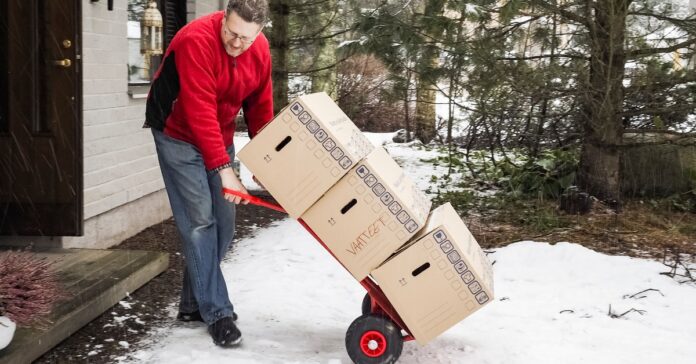
A man in a red jacket using a hand truck to move three cardboard boxes stacked on top of each other through the snow.

Moving is already a stressful experience, but it comes with extra challenges if you’re trying to take care of everything during the colder months. Lower temperatures mixed with potential snowfall and icy conditions require more planning and care to maintain a safe and successful relocation. Here are a few tips for moving during the winter months that can help the process go more smoothly and help you settle in without any major setbacks.

Plan for Inclement Weather

External weather conditions are one of the biggest factors when moving in the winter season. You can avoid mishaps by checking the forecast in your new and current locations in the days leading up to your move. It’s a smart idea to have a backup plan in case of a severe storm or snowfall.

Depending on the weather, you may need to schedule an alternate moving day with your moving company or delay the trip if you’re moving yourself. You can prepare your home for professional packers by clearing ice and snow from your driveway, walkways, and sidewalks to create a safe path for everybody. Consider keeping some salt on hand to treat slippery spots and avoid mishaps on moving day if you’re dealing with a lot of snow.

Protect Your Belongings and Your Home

Cold weather can damage sensitive items. The most commonly affected items are electronics, wooden furniture, and certain liquids that are at risk in freezing temperatures. Pack these items securely and try to limit their exposure to the cold. Professional movers often use padded blankets to wrap furniture, which provides a layer of insulation.

You can protect the floors in both your new and old homes by laying down cardboard, plastic sheeting, or tarps at the entrances. These can help keep slush, salt, and mud out of your home, which could also damage carpets or scratch hardwood floors.

Prepare Your Vehicle and Travel Kit

Another tip for moving during the winter months is to prepare the things you need when traveling. Make sure you winterize your vehicle if you’re driving yourself to your new home. Check your tires, fluid levels, and battery before you hit the road. Pack a winter emergency kit for your car that includes blankets, extra warm clothing, water, snacks, a first-aid kit, a shovel, and an ice scraper.

Always try to plan your travel route well in advance and let friends or family know about your expected arrival time. You should also charge your phone before you leave and bring a portable power bank. This preparation ensures you are ready for any unexpected delays or emergencies along the way.

You should also pack a box that serves as your travel kit. This box should include a few essentials that you’ll need in your house if you’re waiting for things to arrive. These are essential items for your new home and may include small things, such as a toothbrush, to large sleeping bags or small camping appliances for cooking. Preparing a few items lets you start settling in without relying on takeout or needing to run to the store.

By taking these extra precautions, you can handle the complexities of a winter move with confidence. A successful move allows you to start the next chapter in your new home on a positive and organized note.