


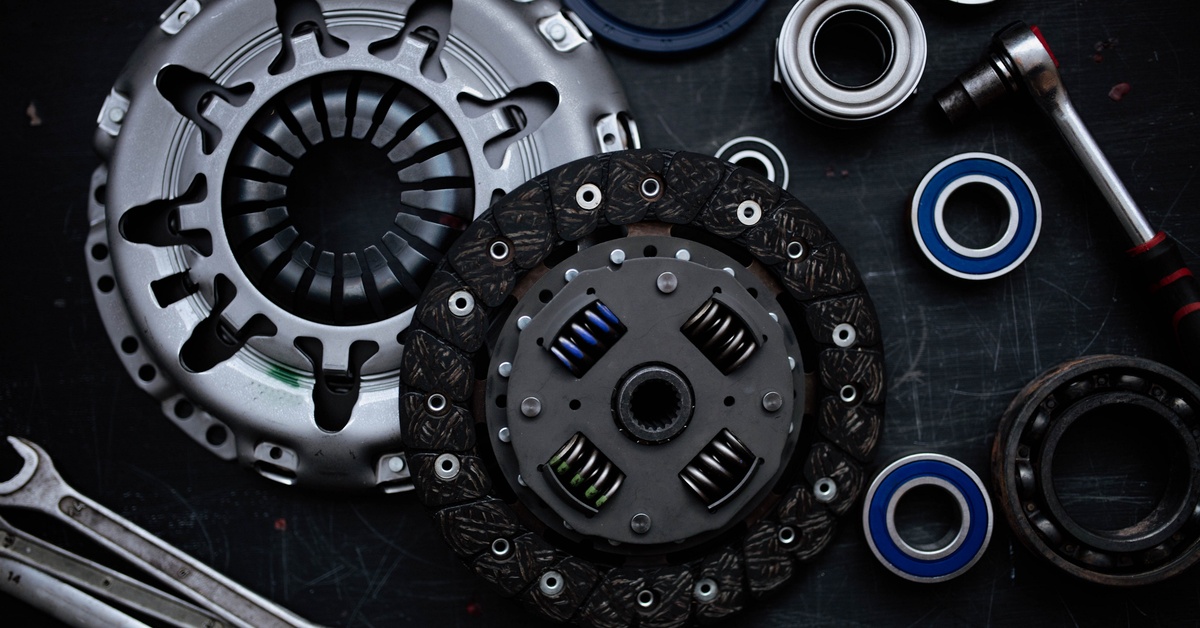
Installing a flywheel in your car may look manageable in a video or step-by-step guide, but the real job demands more than basic hand tools and patience. Replacing a clutch and flywheel means separating the transmission from the engine, supporting heavy components, and reassembling everything to exact specifications. For someone with solid mechanical experience, a home garage setup, and the right tools, the project may be possible. Keep reading to understand whether you can DIY a clutch flywheel installation, and what the job entails.
Signs You Need To Replace Your Car’s Flywheel
There are basically two reasons why someone might replace their clutch: it’s either failing or they want a performance upgrade. There are many signs of a bad flywheel that needs replacement that drivers can watch for, such as clutch chatter, pedal shudder, and unusual smells. If you’ve been driving and noticed any of these problems in your vehicle, you should inspect it or have a professional check it out immediately.
Upgrading Your Flywheel for Performance
Some drivers choose a clutch and flywheel upgrade because they want stronger performance, not because the original parts have failed. A flywheel is one of the best upgrades to improve your car’s acceleration, as the upgraded setup can improve power handling, sharpen engagement, and give the car a more responsive feel during acceleration and shifting. This matters most for drivers who have added horsepower, drive aggressively, or take their car to track days or autocross events.
What the Job Really Involves
Now we understand why you may want to install a new clutch flywheel in your vehicle, but can you DIY it? A clutch and flywheel job involves much more than removing one worn part and bolting in another. The transmission must come off the engine, which usually means lifting the vehicle safely, removing surrounding components, and creating enough space to work under the car. Depending on the vehicle, that can include axles or a driveshaft, mounts, the starter, and hydraulic connections.
After taking it apart, inspect each related component before reassembly begins. The clutch disc, pressure plate, release bearing, pilot bearing, and flywheel all affect how the system performs, so damage in one area can point to a larger issue. Check the flywheel surface for cracks, scoring, heat spots, or uneven wear.
When DIY Makes Sense
Installing a clutch flywheel yourself makes the most sense for someone who is familiar with major drivetrain work before, owns a torque wrench and transmission jack, and has access to a repair manual for the exact vehicle. It also helps to have enough time to work carefully without rushing.
For anyone new to transmission work, the smarter route may be professional service. Labor costs more upfront, but correct installation protects the new parts and reduces the chance of doing the same job twice.
The Bottom Line
Yes, you can install a new clutch flywheel yourself, but it is not a casual weekend repair for beginners. The job rewards experience, preparation, and precision. When those elements are missing, professional installation usually saves time, money, and frustration.