


A building’s entrance does more than open and close. It shapes the way employees, visitors, vendors, and tenants move through the space each day. When you’re choosing the right door access system, the goal is to balance convenience with stronger control, so approved people can enter smoothly while your property stays better protected.
Start With the Door
Choosing the right door access system starts with a simple question. What do you need that door to do?
A front entrance at a busy office needs a different setup than a storage room, server closet, warehouse bay, or apartment lobby. Some doors welcome visitors all day. Others protect expensive equipment, private records, or staff-only areas. When you match the system to the door’s purpose, you avoid paying for features you won’t use and reduce gaps that create daily frustration.
Know Your Traffic
Before you choose hardware, look at who uses the door and when they use it. Employees, vendors, tenants, cleaners, delivery drivers, and visitors may all need different levels of access. A small office might only need key cards for staff and a keypad for after-hours cleaning crews. A larger facility might need mobile credentials, visitor passes, time-based schedules, and detailed entry records.
Think about peak hours too. If dozens of people enter at 8 a.m., the system needs to process entries quickly. A slow reader at the main entrance will annoy people every morning. If the door sits in a low-traffic area, speed may not matter as much as control and tracking.
Compare Access Options
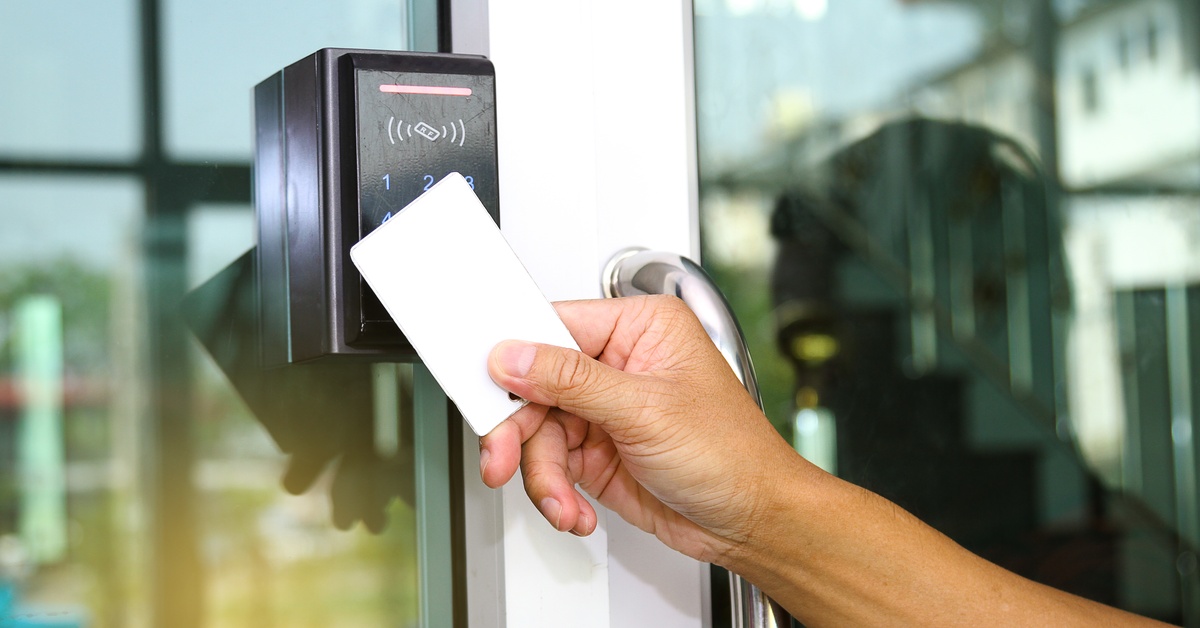
You’ll run into different types of access control as you compare systems, and each one fits a specific use case. Keypads work well for simple setups, but shared PINs can spread quickly. Card and fob systems make access easier to manage because you can deactivate lost credentials. Mobile access lets users unlock doors with smartphones, which reduces the need to issue physical cards. Biometric readers add another layer by using fingerprints, faces, or other personal identifiers.
Check the Software
The software often decides whether you’ll like the system six months from now. Look for a dashboard that lets you add users, remove access, set schedules, review entry activity, and manage multiple doors without calling a technician every time.
Cloud-based systems usually give owners and managers remote control, which helps when staff changes or a vendor needs temporary access. On-site systems can still work well, especially for locations with strict network rules, but they may require more hands-on maintenance.
Plan for Real Risks
Door access systems help control entry, but they don’t solve every security problem on their own. Intruders can bypass access control systems through tailgating, stolen credentials, forced doors, weak locks, or inadequate camera coverage. A strong setup pairs access control with reliable door hardware, alarms, lighting, video monitoring, and clear staff procedures.
You should also think about power outages and internet disruptions. The door should behave safely during emergencies while still protecting the building. Ask whether the system stores credentials locally, how backup power works, and how administrators handle lockouts.
Think About Growth
Your needs may change over time. A business may add employees, lease more space, or open another location. A building owner may need better visitor management or stronger reports. Choose a system that can grow without requiring a full replacement.
Ask whether the provider supports more doors, more users, mobile credentials, integrations, and role-based permissions. A cheaper system can cost more later if it traps you in limited software or outdated hardware.
Make the Right Call
The right door access system balances convenience, control, and long-term flexibility. Start with your doors, study your traffic, compare credential options, and look closely at the software. Then choose a provider who understands both security and everyday building use.
A smart system won’t just lock a door. It’ll help the right people move smoothly while giving you better control over who enters your space.