


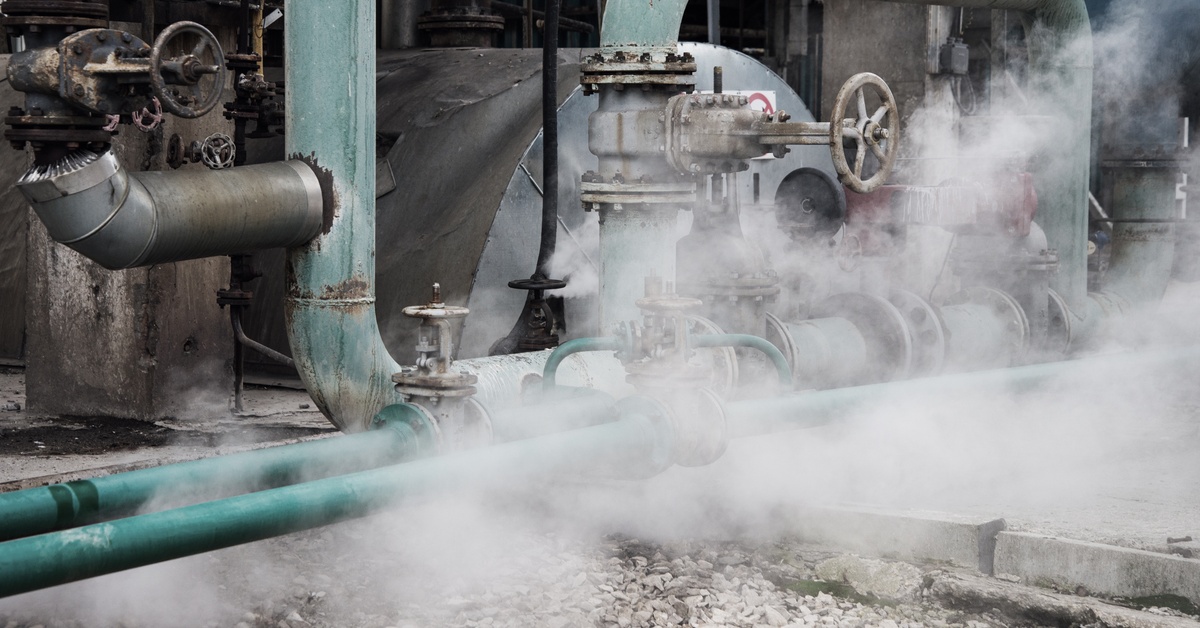
Steam distribution systems play a critical role in many industrial and commercial operations. Facilities rely on steam for heating, manufacturing processes, and equipment performance every day. Small distribution problems can quickly reduce efficiency and increase maintenance costs if businesses ignore them.
Preventive maintenance and system awareness can help companies avoid expensive operational disruptions. Explore a few steam distribution problems you can prevent and how.
Uneven Heating Creates Performance Issues
Uneven steam distribution often signals underlying system problems. Some areas may receive too much steam while others receive very little, which affects equipment performance and productivity. Pressure imbalances, blocked pipes, or failing components can contribute to these inconsistencies. Businesses that address these issues early can improve efficiency and reduce energy waste.
Proper airflow management plays a major role in balanced steam performance. Many facilities underestimate air vents and their role in steam distribution when evaluating system efficiency. Air trapped inside pipes can prevent steam from flowing evenly throughout the system. Effective venting allows steam to circulate properly and maintains stable operating conditions.
Poor Maintenance Leads to Energy Waste
Steam systems require regular inspections to operate efficiently over time. Leaks, damaged insulation, and worn components can increase energy consumption significantly. Businesses may notice rising utility costs long before identifying the source of the problem. Preventive maintenance helps companies detect issues before they become expensive repairs.
Routine inspections also protect valuable industrial equipment. Steam pressure problems can place additional strain on machinery and shorten equipment lifespan. Replacing damaged components often costs far more than regular maintenance programs. Businesses that prioritize system upkeep usually experience fewer unexpected shutdowns.
Condensation Problems Damage Equipment
Condensation buildup can create serious issues inside steam distribution systems. Excess moisture may reduce heating efficiency and increase corrosion inside pipes and equipment. Water hammer, which occurs when condensed water moves through steam lines, also damages pipes and valves. Businesses that monitor condensation levels can prevent costly structural problems.
Drainage systems and insulation play important roles in controlling condensation. Facilities should inspect steam traps and related components regularly to ensure proper performance. Effective moisture control maintains consistent steam flow throughout the system. Preventive maintenance supports safer and more reliable operations overall.
Equipment Relocation Can Affect Steam Systems
Industrial facilities sometimes relocate machinery during upgrades, expansions, or workflow changes. These adjustments can affect steam distribution layouts and system balance unexpectedly. Businesses should evaluate pipe connections, pressure requirements, and ventilation before restarting equipment. Careful planning prevents performance issues after relocation.
Many facility managers also consider safety and logistics when moving industrial equipment within operational environments. Steam systems often connect directly to large machinery, which increases the complexity of relocation projects. Improper handling can damage steam lines or disrupt system pressure. Professional planning helps businesses avoid downtime and expensive repairs.
Preventive Strategies Improve Long-Term Reliability
Businesses that take preventive action often reduce maintenance costs and operational interruptions. Regular inspections allow technicians to identify leaks, pressure issues, and failing components before major failures occur. Monitoring system performance also helps facilities maintain energy efficiency and equipment reliability. Consistent maintenance schedules support smoother operations across departments.
Employee training can also improve steam system performance. Workers who understand basic warning signs can report unusual noises, pressure changes, or heating inconsistencies quickly. Early detection helps maintenance teams prevent steam distribution problems before they turn into costly escalations. A proactive approach protects equipment and operational productivity.