


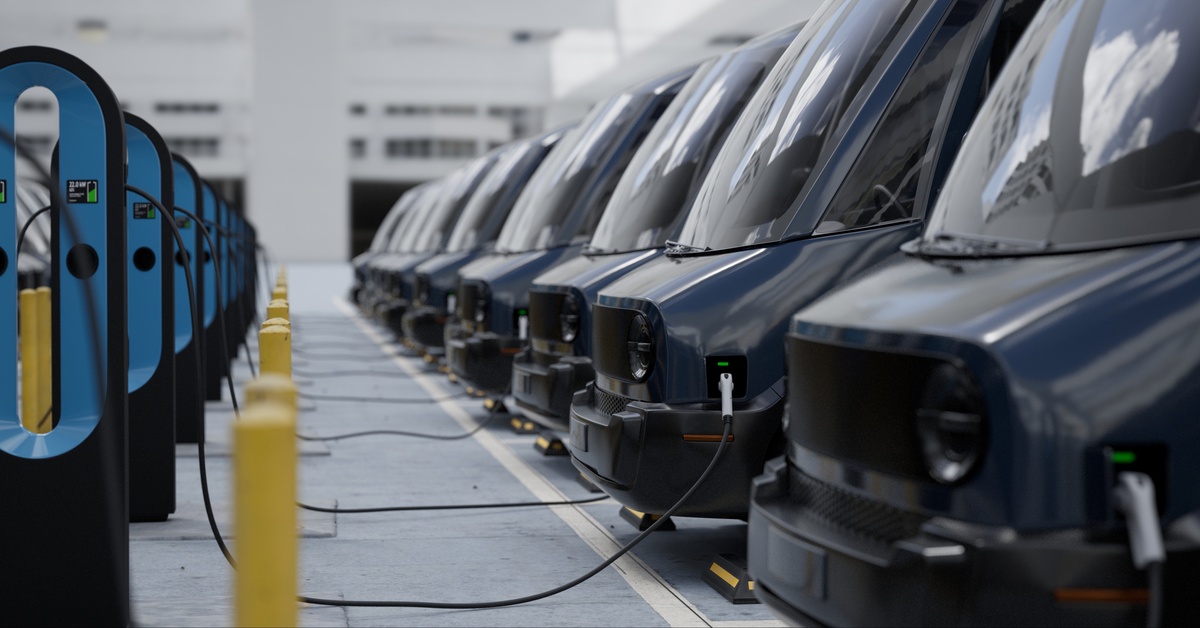
Electric vehicle fleets have become part of daily operations for delivery companies, municipalities, and service providers across the country. While many businesses focus on battery range and charging speed, long-term efficiency usually depends on smaller operational habits that shape vehicle performance each week. Smarter charging habits for modern EV fleets can reduce interruptions, improve scheduling consistency, and create a more stable routine for drivers and managers alike.
As more organizations expand their electric fleet programs, charging practices have started to influence maintenance costs, vehicle availability, and workflow. A thoughtful approach to charging infrastructure and daily use creates fewer surprises during busy operating periods.
Charging Schedules Shape Daily Operations
Fleet charging works best when schedules align with driving patterns instead of reacting to low battery alerts throughout the day. Overnight charging remains common because it reduces congestion at charging stations and gives fleet managers more flexibility during business hours.
Temperature changes, route length, and idle periods can influence charging efficiency, especially when vehicles operate across multiple shifts. Businesses that stagger charging windows usually avoid unnecessary strain on equipment while maintaining consistent battery readiness across the fleet.
Preventive Maintenance Keeps Stations Reliable
Charging stations experience wear from weather exposure, cable handling, and repeated daily use, which makes routine inspections part of responsible fleet management. Companies that prioritize maintenance on commercial EV charging stations tend to avoid unexpected outages that disrupt schedules and delay vehicle deployment.
Technicians frequently inspect connectors, cooling systems, and software updates because small issues can create larger interruptions if ignored. Consistent upkeep supports smoother charging sessions while reducing downtime during high-demand periods.
Vehicle Lifespan Depends on Everyday Habits
Battery health can decline faster when charging practices remain inconsistent or when vehicles repeatedly stay at full charge for extended periods. Many fleet operators now focus on balanced charging ranges and route planning to support long-term vehicle performance.
Managers looking to extend the lifespan of fleet vehicles frequently review charging cycles alongside tire wear, braking patterns, and driver behavior. These operational details create a broader picture of how electric fleets perform under daily business conditions.
Data Tracking Improves Fleet Decisions
Modern fleet software gives operators access to charging histories, battery trends, and station performance metrics that support more informed planning. Instead of relying on assumptions, managers can review patterns that reveal when vehicles consume more energy or when stations experience slower charging speeds. Data tracking becomes more valuable as fleets grow because it identifies inefficiencies before they affect schedules.
Why Charging Strategy Matters More Than Speed
As electric fleets continue expanding nationwide, businesses are paying closer attention to the routines behind reliable vehicle performance. Smarter charging habits for modern EV fleets create steadier operations because they connect charging schedules, maintenance routines, and long-term vehicle care into one manageable system. When fleets operate with fewer disruptions and more predictable maintenance needs, businesses gain a clearer path toward stable day-to-day performance.