


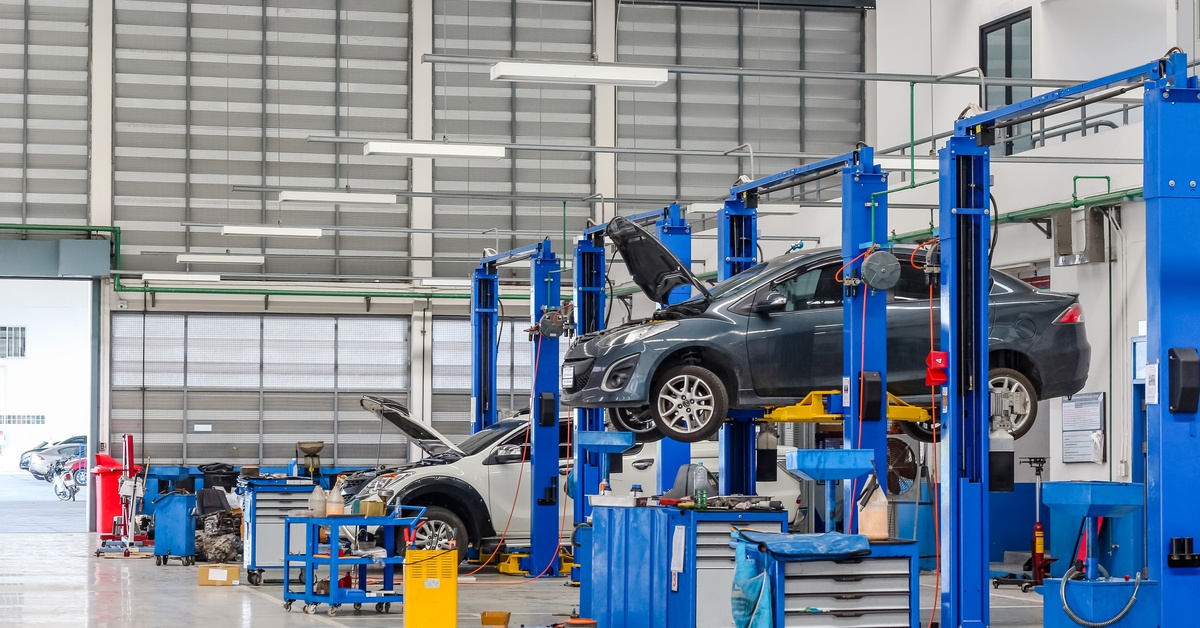
Running a successful auto repair shop requires far more than experienced technicians and a steady flow of customers. Behind every efficient repair is a well-equipped workspace filled with reliable tools that allow technicians to diagnose problems accurately, complete repairs safely, and deliver consistent results. Whether a shop specializes in routine maintenance, major engine repairs, or fleet servicing, investing in quality equipment improves workflow while helping technicians perform at their best.
As vehicle technology continues to evolve, repair facilities must keep pace with changing service demands. Modern vehicles incorporate advanced electronics, driver-assistance systems, and increasingly complex powertrains that require specialized equipment for accurate diagnosis and repair. At the same time, customers expect repairs to be completed efficiently without sacrificing quality. Acquiring the essential equipment every auto repair shop should have enables businesses to meet these expectations while creating a safer, more productive work environment.
Vehicle Lifts Create the Foundation for Efficient Repairs
Vehicle lifts are often considered the centerpiece of any professional repair shop. Nearly every service, from brake repairs and suspension work to exhaust replacement and transmission service, becomes safer and more efficient when technicians have proper access beneath the vehicle. Without dependable lifting equipment, common repairs become significantly more difficult and time-consuming.
The right lift depends on the shop’s services and available space. Two-post lifts remain popular because they offer excellent undercarriage access for general repairs. Four-post lifts provide additional stability for heavier vehicles and alignment work, while scissor lifts are a practical option for facilities with limited floor space. Regardless of the model selected, regular equipment inspections and preventative maintenance are essential for ensuring employee safety and equipment longevity.
Diagnostic Technology Is More Important Than Ever
Today’s vehicles rely on onboard computers that monitor virtually every operating system. From engine performance and emissions to braking systems and advanced driver assistance features, electronic diagnostics have become an essential part of automotive repair.
Professional scan tools allow technicians to communicate directly with a vehicle’s onboard systems, retrieve fault codes, monitor live operating data, and perform manufacturer-specific functions. Advanced diagnostic platforms can also support software updates, component calibrations, and guided troubleshooting procedures that reduce guesswork and shorten repair times.
Tire Service Equipment Supports Everyday Maintenance
Tire-related services represent a significant portion of routine automotive maintenance. Whether replacing worn tires, repairing punctures, balancing wheels, or servicing tire pressure monitoring systems, dedicated equipment improves efficiency and accuracy.
A complete tire service area typically includes a tire changer, wheel balancer, inflation system, and TPMS programming tools. These machines reduce physical strain on technicians while helping ensure tires are mounted correctly and balanced precisely. Proper tire service contributes to smoother rides, improved fuel economy, and longer tire life, making it an important offering for repair facilities.
Air Compressors Keep the Shop Running
Compressed air powers many of the tools technicians rely on throughout the workday. Impact wrenches, ratchets, grinders, polishers, and pneumatic drills all depend on a reliable air supply to operate efficiently.
Selecting the right compressor involves more than simply choosing the largest available model. Shops should consider airflow capacity, tank size, recovery time, energy efficiency, and anticipated daily demand. An undersized compressor may struggle to keep pace with multiple technicians, while an appropriately sized system ensures uninterrupted productivity during busy service hours.
Fluid Service Equipment Improves Speed and Cleanliness
Routine maintenance remains one of the most common reasons customers visit an auto repair shop. Oil changes, coolant exchanges, transmission services, and brake fluid replacement all require specialized equipment designed to handle automotive fluids safely and efficiently.
Fluid management systems allow technicians to perform these services with greater precision while minimizing spills and waste. Oil drain tanks, coolant exchange machines, transmission fluid exchangers, brake bleeding equipment, and waste oil storage containers contribute to a cleaner, safer workplace and help shops comply with environmental regulations.
Battery and Electrical Testing Equipment
Vehicle electrical systems have become increasingly sophisticated, making battery diagnostics more important than ever. Even seemingly simple starting issues may involve multiple components, including the battery, alternator, starter motor, or charging system.
Professional battery analyzers and charging equipment allow technicians to accurately determine whether a battery should be recharged or replaced. Electrical testing tools also assist with diagnosing charging system failures, voltage drops, and wiring concerns before they develop into more serious problems.
Shop Safety Equipment Protects Employees
No repair shop can operate efficiently without maintaining a safe working environment. Heavy vehicles, flammable fluids, moving equipment, and power tools create risks that require proper safety procedures and protective equipment.
Every professional facility should maintain fire extinguishers, first aid kits, spill containment supplies, eye wash stations, safety glasses, gloves, and hearing protection. Clearly marked work areas, organized tool storage, and proper ventilation also help reduce workplace hazards while improving overall efficiency.
High-Quality Hand Tools Still Matter
While advanced machinery has transformed the automotive industry, technicians continue to rely on dependable hand tools every day. Socket sets, torque wrenches, screwdrivers, pry bars, pliers, hammers, and specialty automotive tools remain essential for completing countless repairs accurately.
Quality hand tools provide better durability, tighter tolerances, and greater precision than inexpensive alternatives. Although they typically require a larger upfront investment, professional-grade tools frequently deliver better long-term value through improved reliability and reduced replacement costs.
Equipment Investments for Long-Term Success
When evaluating new equipment, many shop owners compare multiple solutions before making purchasing decisions. Working with a reputable auto shop equipment supplier provides access to professional-grade lifts, tire machines, diagnostic equipment, compressors, and other shop essentials that support efficient automotive service operations.
The right equipment alone, however, does not guarantee long-term success. Customer experience also plays a major role in building a trusted business. Shops that combine dependable equipment with clear communication, quality workmanship, and strong customer service are more likely to earn repeat business and positive referrals. These simple operational improvements can even strengthen a shop’s reputation over time.
Building a Repair Shop That Lasts
A well-equipped repair shop offers benefits that extend far beyond the service bay. Reliable equipment helps technicians work more safely, complete repairs more efficiently, and deliver consistent results that customers can trust.
From vehicle lifts and diagnostic technology to fluid management systems, tire service equipment, air compressors, battery testing tools, and professional hand tools, every investment contributes to better operations and higher-quality repairs. Understanding the essential equipment every auto repair shop should have allows shop owners to make informed purchasing decisions that support long-term growth, improve workplace safety, and position their businesses to meet the demands of today’s sophisticated vehicles.