


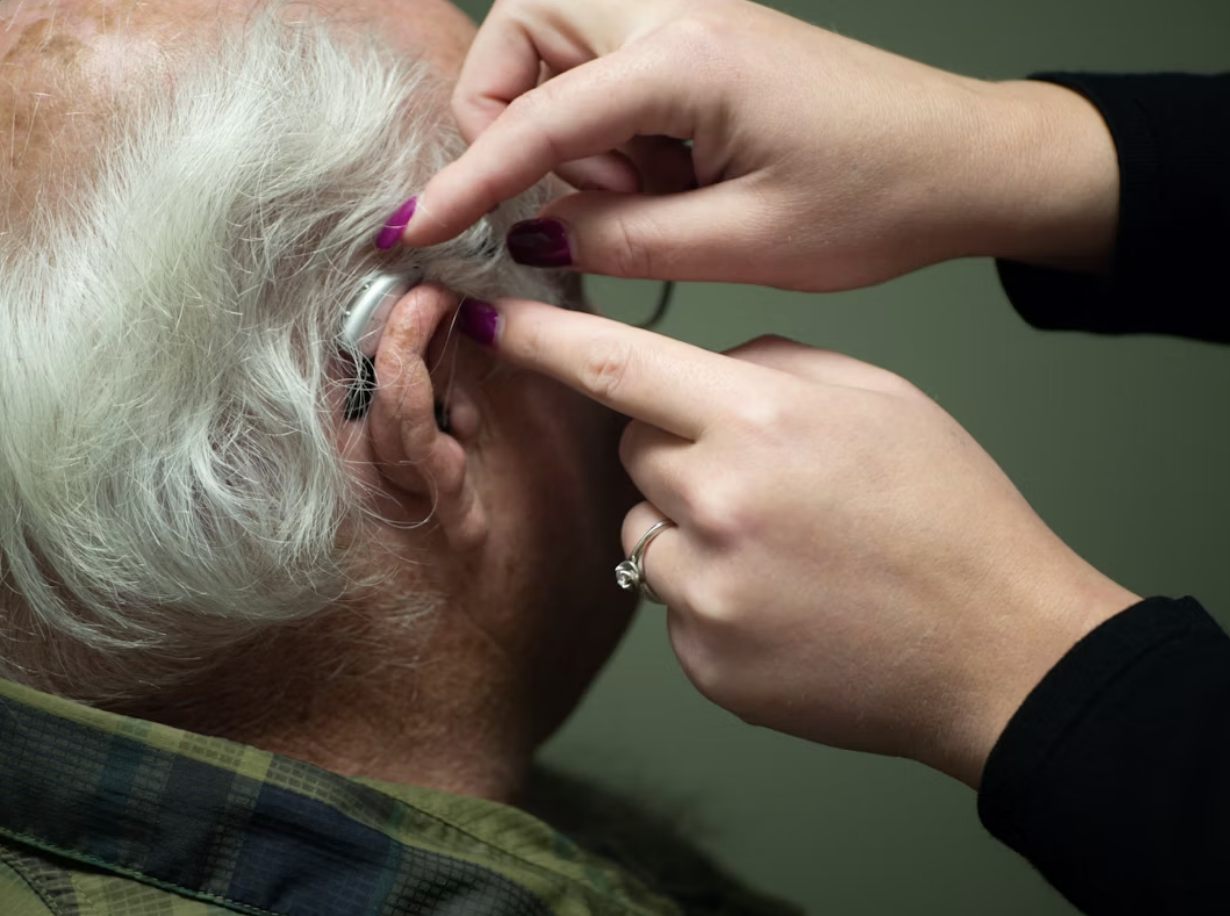
The world of sound is rich and vibrant, from the quiet rustle of leaves to the lively chatter of a family dinner. For many, the technology that helps us stay connected to these sounds can seem like a mystery.
Yet, audiology has seen incredible advancements, transforming hearing assistance from simple amplifiers into sophisticated, intelligent devices that adapt to your life. These innovations are making it easier than ever to experience the world with clarity.
From Analog to Digital Hearing
For decades, hearing aids used analog technology. Think of it like a simple microphone and speaker system that made all sounds louder, including background noise. While helpful, it was a blunt instrument.
The real shift came with the move to digital. The evolution of hearing aid technology has been remarkable, with modern digital devices acting as tiny, powerful computers that sit in or behind the ear.
Instead of just amplifying sound, a digital hearing aid converts sound waves into numerical code. This lets it do amazing things, like tell the difference between human speech and ambient noise. It can selectively turn up the voice of the person you’re talking to while dampening the clatter of dishes in the background.
This programmability means an audiologist can tailor the device to your specific pattern of hearing loss, addressing the precise frequencies where you need help most.
Precision in Custom Earmold Design
A hearing aid is only as good as its fit. If the device is loose or uncomfortable, it can cause whistling sounds (feedback) and fail to deliver sound effectively.
This is where custom earmold design has made huge strides. In the past, creating an earmold involved filling the ear with a silicone-like material to create a physical impression, a process that could be messy and uncomfortable.
Today, many audiologists use digital 3D scanners to create a perfect map of your ear canal in seconds. This digital file is then used to 3D print a custom earmold or hearing aid shell with incredible precision. The result is a comfortable, secure fit that maximizes sound quality and is easy to wear all day.
These custom-fit pieces aren’t just for hearing aids. They’re also essential for creating effective local hearing protection for people who work in noisy environments or enjoy loud hobbies, helping to preserve their hearing for years to come.
AI and Machine Learning in Devices
The latest hearing aids aren’t just digital; they’re intelligent. They use artificial intelligence (AI) and machine learning to understand your listening environments and automatically adapt.
Imagine walking from a quiet office into a bustling city street. An AI-powered hearing aid can recognize this change and adjust its settings in real time, suppressing traffic noise while keeping you aware of important sounds like sirens or a person calling your name.
These smart devices learn your preferences over time. If you consistently turn up the volume in a specific restaurant, the hearing aid may learn to do it for you automatically the next time you visit. This enhanced ear-to-ear communication and AI technology creates a seamless listening experience that feels natural and requires less manual adjustment from the user.
The Future of Hearing Health Tech
The innovation isn’t stopping. The future of hearing technology looks even more integrated with our daily lives. Many hearing aids now double as wireless earbuds, streaming phone calls, music, and podcasts directly from a smartphone via Bluetooth. This means no need for separate headphones and keeps you connected discreetly.
Beyond audio, hearing aids are becoming personal health companions. Some models include sensors that can track physical activity and even detect if the wearer has a fall, automatically sending an alert to a pre-selected contact. With the growth of telehealth, audiologists can even remotely adjust and fine-tune your devices, saving you a trip to the clinic.
Understanding Real Ear Measurements
All the technology in the world is only effective if it’s set up correctly for the individual. This is where a crucial but often overlooked procedure called Real Ear Measurement comes in. Every person’s ear canal has a unique size and shape, which affects how sound travels to the eardrum. A hearing aid programmed on a computer may sound very different once it’s actually inside your ear.
Real Ear Measurement solves this problem. During a fitting, an audiologist places a tiny, flexible microphone deep inside your ear canal, right next to the eardrum. They then turn on the hearing aid and measure the exact sound levels your eardrum is receiving. Based on this real-time data, they can make precise adjustments to ensure the hearing aid is delivering the right amount of amplification exactly where you need it, verifying that the prescription is perfect for you.
The technology behind hearing health is constantly evolving, moving toward solutions that are not just effective but also personalized, intuitive, and seamlessly integrated into your life.