


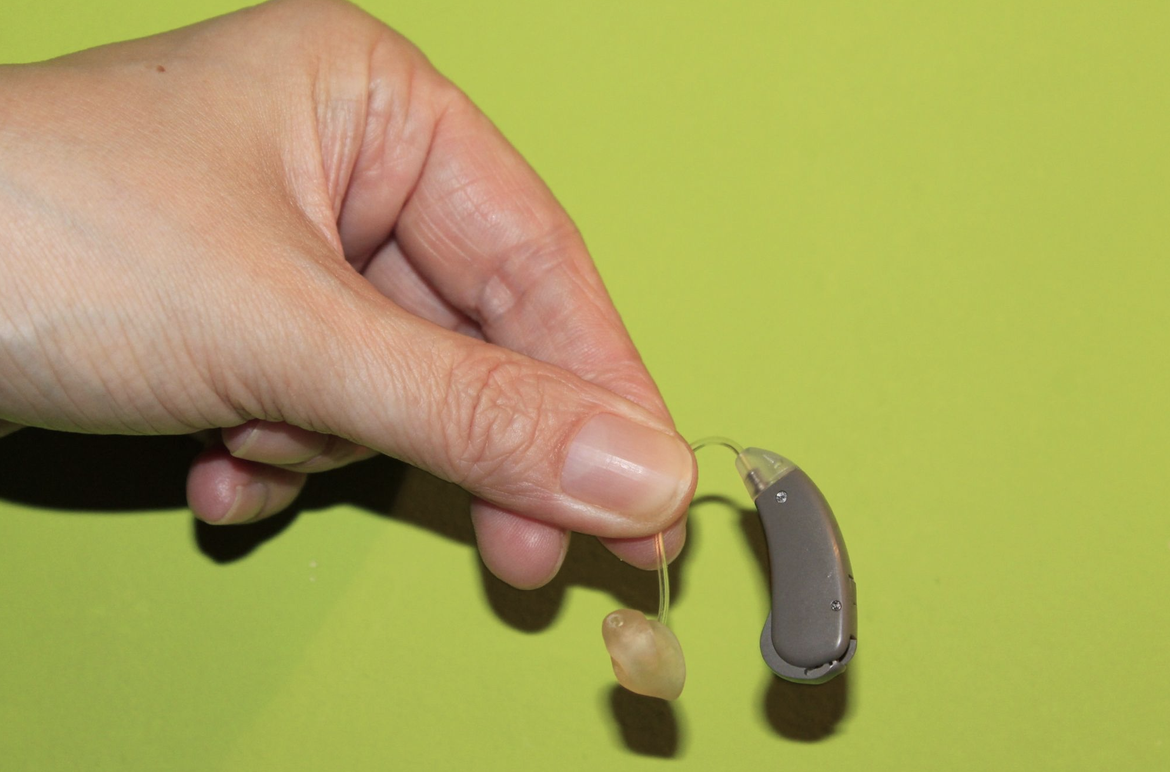
A hearing aid consultation can be an overwhelming experience, especially if it’s your first one. There’ll be a lot of information shared within the consultation and a lot for you to think about and take in to make sure the process of getting your hearing aid is as smooth as possible, delivers you the right device, and leaves you with all of your questions answered.
Not sure what to ask? Here are a few questions that can help you make sure you cover all of your bases.
What Type of Hearing Loss Do I Have
Hearing loss isn’t a single condition, and the type, whether it’s sensorineural, conductive, or a mix of both, directly affects what treatment options actually make sense. Sensorineural loss is caused by damage to the inner ear or auditory nerve and is usually permanent and managed with hearing aids, while conductive loss is often caused by a blockage or structural issues and can sometimes be treated medically or surgically instead.
Ask for the specific classification rather than a general “some hearing loss” summary, as this doesn’t tell you much at all.
Which Devices Fit My Lifestyle and Budget
Device recommendations should reflect how a person actually lives, not just their audiogram results. This is because someone who spends most of their time at home in a quiet setting has very different needs than someone working in a noisy environment or who attends frequent social events.
This is when it’s important that the provider you choose understands your needs for your hearing aids and goes through more than one option to help you find what is and isn’t suitable for your lifestyle.
Ask directly what separates a base level device from a premium one beyond just the price tag and clarify whether the extra cost buys you genuinely useful features or marginal improvements.
Talk about what you’re likely to use your hearing aids for so they can match you with the right devices and features.
What Does the Warranty Actually Cover
Warranty terms vary significantly between manufacturers, so never assume that they’re all the same. Because when something breaks or stops working, this is going to be important.
Ask directly what is and isn’t included in the warranty, i.e., repairs, loss, damage protection, battery issues, etc, and for how long. Then ask about what the process is like if you do need to claim against the warranty. Do you know what to expect should this scenario be something you need to go through?
Ask if there’s an in-house service that completes any repairs carried out under warranty or even outside of it, or if the device will be sent off to the manufacturer too.
Is There a Trial Period If It Doesn’t Work Out
A trial period will allow you to actually test the device and make sure it’s right for you before committing to it fully.
The Federal Trade Commission suggests most states have a 30- or 60-day trial period when it comes to hearing aids during which they can be returned. Most dispensers offer a 30-90 day trial so you can be sure you want it without the commitment from day one.
Ask what happens if you return it and what your rights are. Do you get a full refund, partial refund or credit towards a different model if you do return your device?