


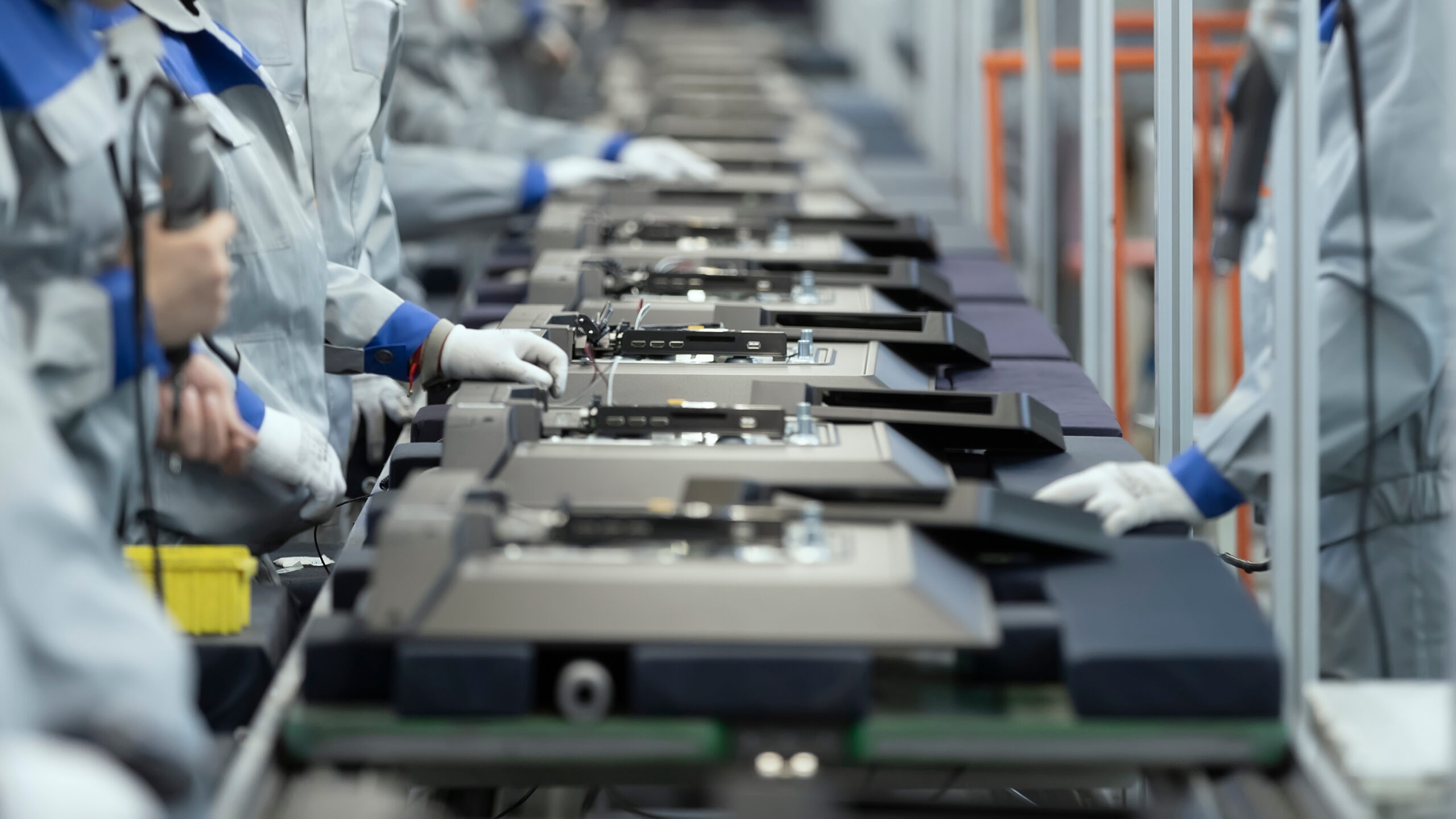
Production schedules rarely unravel because one machine suddenly stops working. More commonly, small interruptions gradually slow the pace until missed deadlines and rising labor costs become part of the workday. Reducing downtime through better line design begins with recognizing that every stage of a packaging operation influences the next, making thoughtful planning just as valuable as dependable equipment. When businesses periodically evaluate how products move through a facility and how employees interact with the production line, they uncover opportunities to improve efficiency without completely redesigning the operation.
Workflow Shapes Production More Than Equipment Alone
Every packaging line reflects the decisions made long before production begins. Equipment may perform exactly as intended, yet productivity still suffers when materials arrive out of sequence or operators spend unnecessary time moving between stations. A well-designed layout allows each stage of production to support the next, creating a steady flow that keeps finished products moving without unnecessary interruptions.
Many manufacturers evaluate smart strategies for end-of-line packaging productivity while reviewing workflow because the final stages of production depend on far more than machine speed alone. Positioning workstations to reduce unnecessary travel, improving communication between production teams, and creating logical transitions from one process to the next can eliminate recurring delays while making daily operations easier to manage.
Small Inefficiencies Become Expensive Habits
Downtime rarely appears all at once. A shipment that reaches the line a few minutes late, limited space for staging completed products, or repeated manual repositioning may seem manageable on a single shift, although those interruptions become increasingly disruptive when they occur throughout an entire production cycle.
Businesses that study recurring delays frequently discover that bottlenecks develop in predictable locations. Employees adapt by creating temporary workarounds, yet those adjustments usually consume additional time while masking the underlying issue. Reviewing how products move from one operation to another creates opportunities to simplify the process before routine delays affect customer schedules and production capacity.
Modern Technology Supports Better Coordination
Automation continues changing the way manufacturers manage packaging operations, although newer equipment delivers the greatest value when it complements an efficient layout. Adding advanced machinery to an already congested production line doesn’t produce the expected gains because existing workflow limitations remain in place.
Companies researching end-of-line packing innovations frequently compare equipment based on how well it integrates with current production processes instead of focusing exclusively on output capacity. That broader evaluation encourages investments that improve coordination between packaging stages while supporting future expansion without creating additional congestion.
Planning for Consistent Performance
Facilities evolve as production volumes change, customer expectations shift, and product lines expand, making periodic reviews of packaging operations a practical business decision instead of a reaction to recurring problems. Companies that examine workflow before efficiency declines place themselves in a stronger position to accommodate growth while maintaining consistent production standards.
Viewing reducing downtime through better line design as an ongoing operational practice encourages continuous refinement rather than isolated improvements. That mindset supports packaging systems capable of adapting to future demands while creating a production environment where steady performance becomes part of the everyday workflow.