


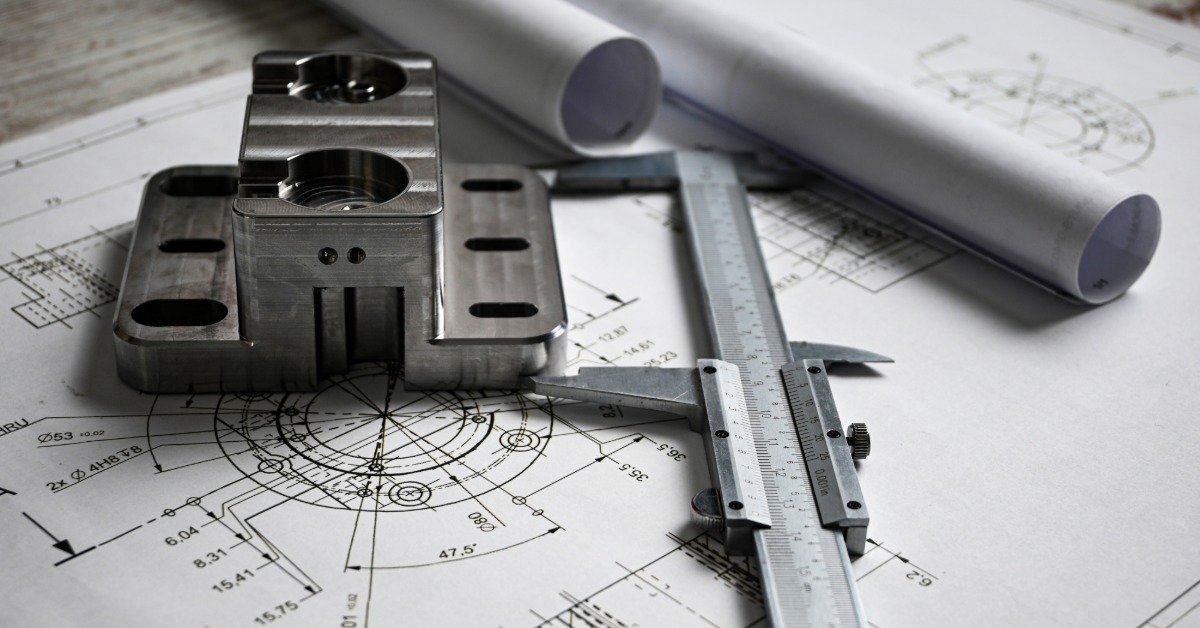
Modern manufacturing depends on precision. Whether producing medical equipment, aerospace systems, industrial automation technology, or advanced electronics, even the smallest component can have a significant impact on product performance. A minor deviation in dimensions, material quality, or manufacturing consistency may result in costly delays, product failures, or expensive redesigns. For businesses operating in industries where accuracy matters, selecting the right supplier is every bit as important as selecting the right design.
Understanding the best practices for sourcing high-precision components allows organizations to reduce risk while improving product quality and long-term operational efficiency. Rather than focusing solely on price, successful sourcing strategies emphasize technical expertise, consistent quality, reliable communication, and the ability to support future growth.
Begin With Clearly Defined Specifications
Every successful sourcing project starts with a complete understanding of the product requirements. Manufacturers rely on detailed specifications to determine the best production methods, materials, inspection processes, and tolerances. Without that information, even experienced suppliers may interpret requirements differently, leading to inconsistencies that become costly once production begins.
Providing complete documentation from the outset also speeds up the quoting process and reduces the likelihood of revisions later. Detailed drawings, material specifications, dimensional tolerances, environmental requirements, testing expectations, and anticipated production volumes all help suppliers determine whether they are the right fit for a project. Investing additional time during the planning stage often prevents problems after manufacturing has already begun.
Evaluate Expertise Instead of Simply Comparing Costs
Price naturally plays a role in every purchasing decision, but choosing a supplier based on the lowest quote can create challenges over time. High-precision manufacturing requires specialized equipment, experienced engineers, rigorous inspection procedures, and highly controlled production environments. These capabilities require investment, and suppliers that consistently deliver reliable results provide greater overall value despite higher initial pricing.
When evaluating potential manufacturing partners, companies should consider the supplier’s experience with similar applications, technical capabilities, quality certifications, production capacity, and communication practices. Looking beyond the quoted price provides a more complete picture of the long-term cost. Fewer production errors, lower rejection rates, and more dependable delivery schedules outweigh modest differences in purchase price.
Verify Manufacturing Capabilities
No two precision manufacturers specialize in exactly the same processes. Some excel in CNC machining, while others focus on optics, ceramics, injection molding, or advanced engineered materials. Matching a supplier’s capabilities to the specific needs of a project is essential for achieving consistent results.
Businesses should take time to understand how prospective suppliers manage precision throughout the manufacturing process. Equipment calibration, environmental controls, inspection technology, automation, and process documentation all contribute to product consistency. Companies looking for optical component manufacturers, for example, benefit from understanding how manufacturers approach precision engineering, material selection, and quality assurance throughout production.
Make Quality Assurance a Priority
Quality assurance should be integrated into every stage of manufacturing rather than treated as a final checkpoint. Leading manufacturers monitor production continuously through incoming material inspections, in-process measurements, statistical process controls, and final verification before components are shipped.
This proactive approach identifies potential issues early, reducing waste while improving consistency. It also provides customers with greater confidence that every shipment will meet established specifications. Companies should ask suppliers about their inspection methods, traceability procedures, corrective action processes, and quality certifications before making a sourcing decision.
Maintain Communication
Technical expertise alone does not guarantee a successful supplier relationship. Clear, consistent communication often determines whether projects stay on schedule or encounter avoidable delays.
Reliable suppliers provide realistic lead times, communicate production updates regularly, and notify customers promptly when unexpected issues arise. Open communication allows purchasing teams and project managers to adjust schedules, coordinate with internal stakeholders, and address concerns before they escalate into larger problems.
Strong communication also creates opportunities for collaboration. Experienced manufacturers frequently identify opportunities to improve manufacturability, reduce costs, or simplify production without compromising on quality. Those recommendations become significantly more valuable when suppliers maintain transparent and responsive working relationships.
Consider Supply Chain Reliability
Material shortages, transportation disruptions, and changing market conditions continue to affect manufacturers across numerous industries. For that reason, evaluating supply chain resilience has become an essential part of supplier selection.
Organizations should understand where suppliers obtain raw materials, whether they maintain relationships with multiple vendors, and how they manage inventory to reduce disruptions. Businesses experiencing rapid expansion may also find that broader operational planning becomes increasingly important when avoiding production delays during company growth. Selecting suppliers with stable sourcing strategies helps minimize interruptions while improving long-term production reliability.
Start Small Before Scaling Up
Whenever possible, beginning with prototype production or a limited manufacturing run allows both parties to evaluate the working relationship before committing to larger orders. Initial projects provide valuable insight into a supplier’s manufacturing quality, communication practices, documentation, delivery performance, and responsiveness.
Prototype production also gives engineering teams an opportunity to identify design improvements before entering full-scale manufacturing. Addressing issues during early production stages is typically far less expensive than implementing changes after large production volumes are underway. Taking a measured approach allows organizations to build confidence while reducing financial and operational risk.
Build Long-Term Partnerships
Successful sourcing rarely results from a single purchase. Instead, the strongest manufacturing relationships develop through long-term collaboration built on trust, consistency, and shared understanding.
As suppliers become more familiar with a customer’s products and expectations, production often becomes more efficient. Communication improves, lead times become more predictable, and opportunities for process improvements emerge naturally over time. Long-term partnerships also encourage suppliers to invest in customer success through better planning, dedicated resources, and continuous improvement initiatives. Organizations that treat suppliers as strategic partners rather than transactional vendors can experience greater stability throughout their manufacturing operations.
Make Smarter Sourcing Decisions for Long-Term Success
Precision manufacturing leaves no room for error, making thoughtful supplier selection one of the most important decisions in the production process. Organizations that carefully evaluate technical capabilities, quality systems, communication practices, and long-term reliability are better positioned to deliver consistent products while avoiding unnecessary costs and delays. Following these best practices for sourcing high-precision components allows businesses to establish resilient supply chains, improve manufacturing outcomes, and build supplier relationships that continue to create value as production needs evolve.