


Every business depends on systems that keep daily operations organized and efficient. Waste management often stays behind the scenes, yet it directly affects productivity, safety, and operating costs. Poor waste handling creates delays and unnecessary expenses that disrupt the workday.
Businesses that invest in organized waste solutions often experience smoother operations and stronger long-term performance. Let’s explore how waste systems impact daily business operations.
Waste Management Affects Workplace Efficiency
A clean and organized workspace helps employees stay focused throughout the day. Overflowing waste bins and poorly managed disposal areas can slow down workflows and create distractions. Employees may spend extra time navigating cluttered areas or handling waste-related issues instead of completing their primary tasks. Organized waste systems reduce interruptions and create a more productive environment.
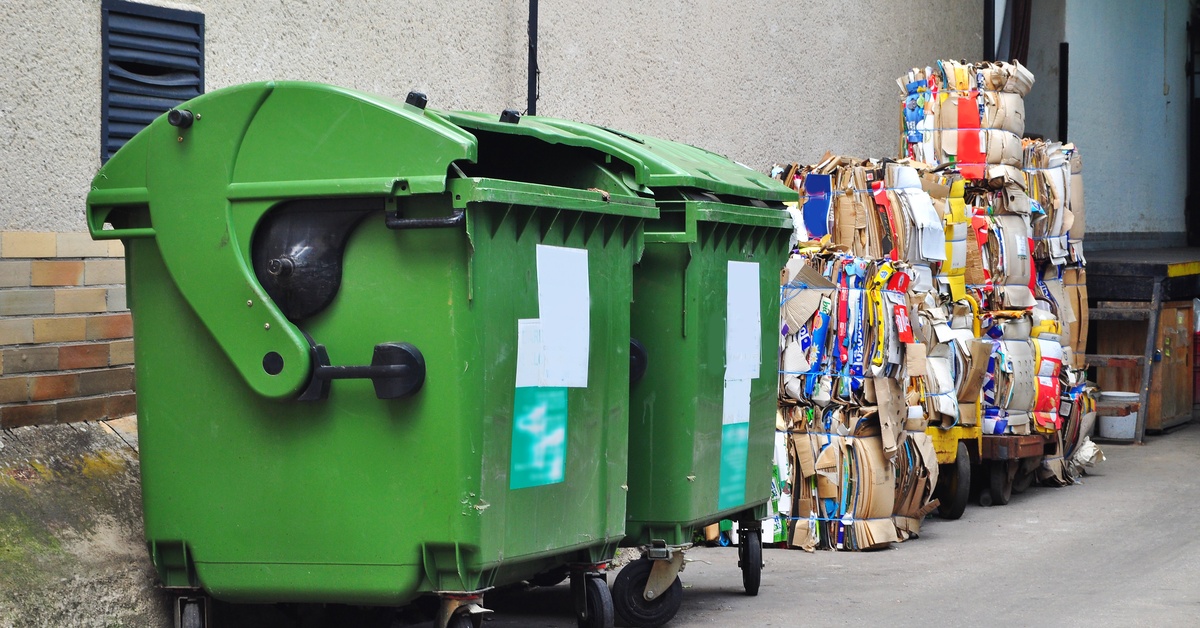
Many businesses eventually realize that your facility needs waste management equipment to handle growing operational demands effectively. The right equipment can simplify collection, sorting, and disposal while reducing manual labor. Compacting systems, recycling stations, and proper storage containers can improve efficiency across departments. Businesses that streamline waste handling often save time and lower operational stress.
Clean Facilities Support Employee Safety
Workplace safety plays a major role in daily business operations. Poor waste management can create hazards, such as slippery floors, blocked walkways, or exposure to harmful materials. These risks can increase workplace accidents and lead to costly disruptions. Businesses that maintain organized waste systems create safer conditions for employees and visitors.
Employees also feel more comfortable and motivated in clean environments. A tidy workspace reflects professionalism and shows that management values employee well-being. Customers and clients often notice facility cleanliness during visits, which can influence their perception of the business. Clean operations support workplace morale and brand reputation.
Waste Systems Influence Operating Costs
Inefficient waste handling can quietly increase expenses over time. Businesses may face higher disposal fees, equipment damage, or labor costs when waste systems lack proper organization. Frequent repairs and emergency cleanups can also affect budgets unexpectedly. Effective waste strategies help companies reduce these unnecessary financial burdens.
Businesses looking to control expenses often focus on ways to set up the business on a budget without sacrificing operational quality. Waste management improvements can support those efforts by reducing inefficiencies and lowering disposal costs. Recycling programs and compact storage solutions can minimize waste volume while improving organization. Small operational adjustments can lead to meaningful long-term savings.
Customer Impressions Depend on Facility Conditions
First impressions matter in every industry, whether a business operates a retail store, warehouse, office, or manufacturing facility. Customers often associate cleanliness and organization with professionalism and reliability. Overflowing trash or disorganized disposal areas can damage customer confidence quickly. Businesses that maintain clean facilities create stronger impressions and encourage repeat business.
Waste systems also affect how smoothly customer-facing operations run each day. Delayed waste removal can interfere with deliveries, employee movement, or customer access to certain areas. Organized disposal systems maintain consistent workflows and improve the overall customer experience. Businesses benefit when operations remain efficient and visually appealing.
Waste systems impact daily business operations, from trash collection to disposal. They affect workplace safety, employee productivity, operating costs, and customer impressions every single day. Businesses that invest in organized waste management solutions often create cleaner, safer and more efficient environments. Strong waste systems help businesses operate smoothly while supporting long-term growth and sustainability.