


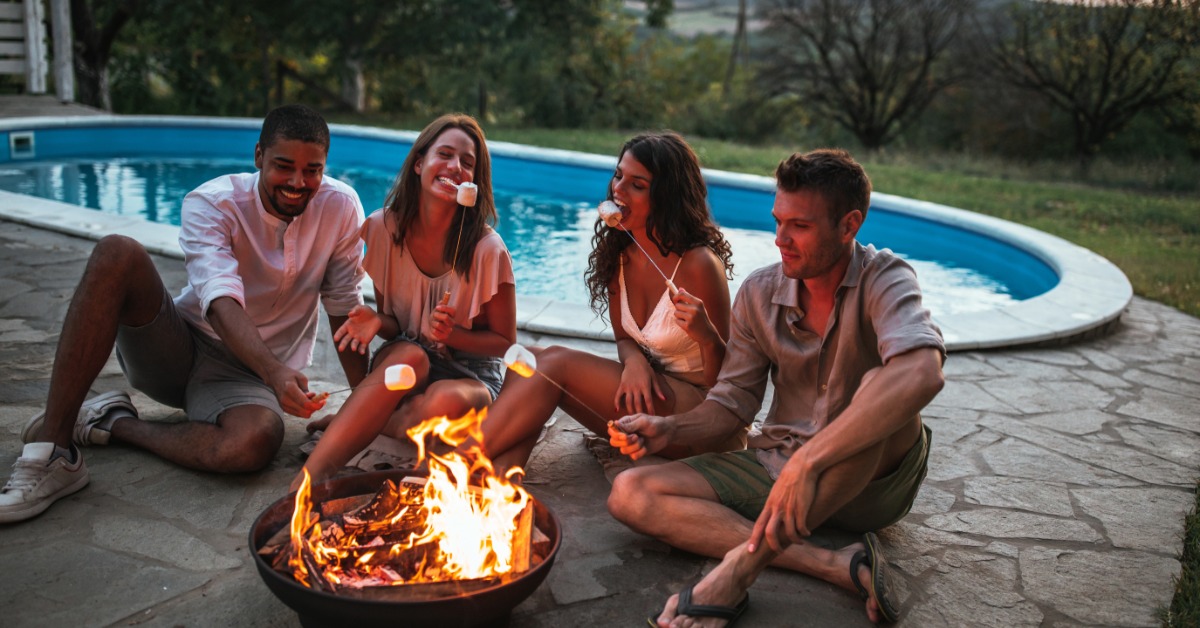
A backyard with a swimming pool is much more than a place to cool off. With thoughtful planning, it can become a comfortable extension of the home where people swim, eat, talk, relax, and spend long afternoons together.
The challenge is fitting all of those activities into one outdoor space without making the yard feel crowded. Planning a backyard around swimming and entertaining starts with thinking beyond individual features. Instead of choosing a pool, patio furniture, grill, and landscaping separately, consider how people will actually move between them.
Start With How You Want To Use the Yard
Before deciding where anything goes, make a simple list of the activities the backyard needs to support. Swimming may be the main attraction, but it probably isn’t the only one.
A household might want space for casual meals, larger gatherings, sunbathing, children’s activities, grilling, or quiet evenings outside. Prioritizing these uses prevents a common design problem: devoting so much room to one feature that other activities become inconvenient.
Think about typical gatherings, too. A setup that works well for four family members may feel very different when a dozen guests arrive. Walkways, seating, food preparation areas, and places for towels and personal belongings all become more important as the number of people increases.
Divide the Backyard Into Activity Zones
Successful outdoor spaces often have distinct zones without feeling physically divided. A change in paving, furniture placement, landscaping, or shade can subtly indicate where one area ends and another begins.
The swimming zone naturally centers on the pool, while nearby lounge chairs create a transition between swimming and socializing. A dining table can form another zone, with a grill or outdoor cooking area close enough to be convenient but positioned so that people don’t constantly cross the cook’s workspace.
Comfortable conversation seating can sit farther from the water, giving guests who aren’t swimming somewhere to relax while still feeling connected to the gathering. This approach helps homeowners decide which home improvements for outdoor entertaining will have the biggest effect on how frequently the space gets used.
Give Pool Placement Extra Thought
It can be tempting to place a pool wherever it looks most impressive, but appearance is only part of the equation. Sun exposure, existing trees, property boundaries, utilities, drainage, slopes, and access from the house can all affect placement.
The intended pool shape matters as well. Rectangular pools create clearly defined edges for decking and furniture, while freeform designs adapt to less conventional landscapes and create more organic transitions between water, planting, and gathering areas.
Homeowners considering an irregular shape should look carefully at planning considerations for freeform pool builds before settling on the surrounding layout. The shape and positioning of the water can influence everything from deck space to landscaping and traffic flow.
Local requirements should also be taken into account early. Fencing, barriers, setbacks, permits, and other pool rules vary significantly between jurisdictions and may affect the final design.
Leave Enough Room Around the Water
One of the easiest mistakes to make is focusing on the dimensions of the pool while underestimating how much usable space is needed around it. People need room to walk comfortably without squeezing behind chairs or stepping around bags and towels. Furniture also requires more space than its footprint suggests because chairs are pulled out, loungers recline, and guests naturally gather in groups.
Try mentally walking through a busy summer afternoon. Can someone carry food from the house to the dining table without weaving between wet swimmers? Can guests reach a chair without walking close to the pool edge? Can people enter and leave the water without disrupting another activity? Good circulation makes even a modest backyard feel considerably larger.
Plan for Shade As Carefully as Sunshine
Sun is one reason people enjoy having a pool, but an entertaining space needs relief from it as well. Covered patios, umbrellas, pergolas, shade structures, and carefully positioned trees can make the backyard more comfortable during the hottest part of the day.
Ideally, some seating should remain shaded while other areas receive direct sunlight, giving people a choice. Shade is particularly useful over dining and conversation areas, where guests are likely to stay in one place for longer periods.
Make Seating Arrangements Flexible
Permanent seating can be useful, but flexibility is valuable when a backyard regularly hosts different numbers of people. A combination of dining chairs, lounge furniture, benches, and lightweight occasional seating makes it easier to adjust the layout. Side tables are also surprisingly important around pools because guests need dry places for drinks, phones, sunglasses, and other belongings.
Avoid pushing every chair against the perimeter. Small furniture groupings usually make conversation easier and give the yard a more inviting feel.
Think About Entertaining After Sunset
A poolside gathering doesn’t necessarily end when the sun goes down. Lighting can extend the usable hours of the backyard while improving visibility around steps, paths, cooking areas, and the water.
Instead of relying on one extremely bright fixture, consider layers of light. Path lights help with navigation, task lighting illuminates cooking areas, and softer lighting around seating creates a relaxed atmosphere. The goal is enough illumination to use the space comfortably without making the backyard feel like a parking lot.
Don’t Forget the Practical Details
Some of the best backyard features are the ones guests barely notice. Convenient storage keeps pool equipment, cushions, toys, and towels from cluttering entertaining areas. Outdoor electrical outlets reduce the need for extension cords. A nearby place for trash and recycling makes cleanup easier.
Consider the route from the pool into the house as well since wet swimmers repeatedly crossing a formal living room is rarely ideal. When possible, create an easy path to a bathroom or changing area and choose surfaces that can tolerate wet feet.
Design the Yard as One Connected Space
Ultimately, planning a backyard around swimming and entertaining comes down to creating connections. The pool, patio, dining area, landscaping, lighting, and seating should support one another rather than compete for space.
Start with how the backyard will actually be used, establish comfortable activity zones, and preserve clear routes between them. When practical considerations shape the design from the beginning, the result can feel effortless—a place where swimming is enjoyable, hosting is easier, and simply spending time outside becomes part of everyday life.