


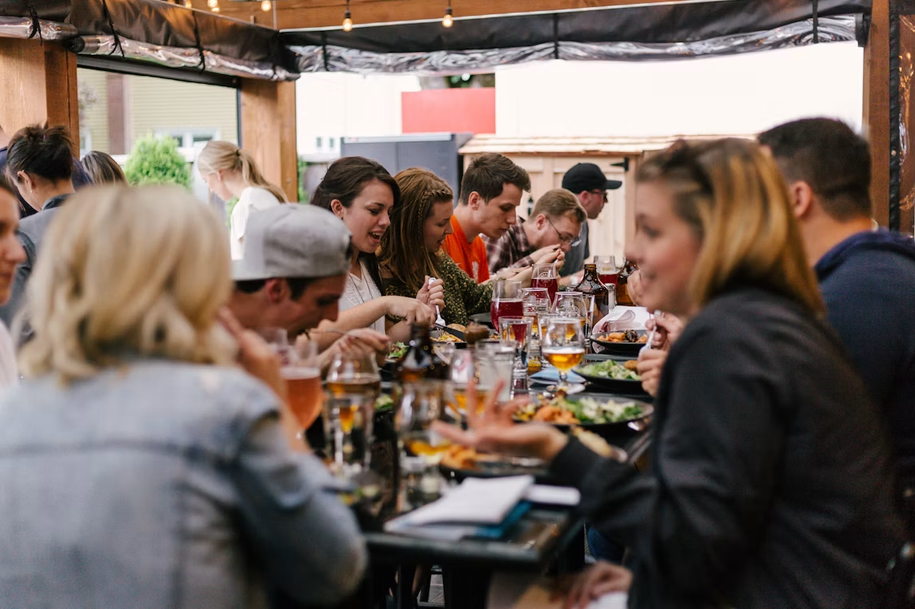
Pop-up restaurants turn ordinary spots into amazing dining destinations for a short time, giving guests a unique and memorable food adventure. These temporary events have a special kind of magic, appearing almost overnight and then vanishing just as fast.
But behind that seemingly effortless trick is a whirlwind of intense planning, creativity, and hard work. From the first spark of an idea to the final cleanup, putting on a successful pop-up means mastering logistics and having a real passion for hospitality. Let’s peek behind the curtain to see what it takes to bring one of these fleeting foodie experiences to life.
Concept to Menu Creation
Every great pop-up starts with a strong, clear idea. This is the story you want to tell through your food, atmosphere, and service. Are you planning a rustic Italian feast in a barn, a futuristic tasting menu in an art gallery, or a casual seafood boil on a pier? Your concept will guide every single decision you make.
Once you’ve figured out your theme, you can create a menu that fits it. A big part of success is keeping the menu focused and easy to execute. Unlike a traditional restaurant with a full kitchen, a pop-up kitchen has its limits. Design dishes that look impressive but are manageable to prepare with portable equipment. This early planning stage is crucial for understanding the scope of your event and what matters for a pop-up restaurant.
Location and Logistics Challenges
Finding the right venue is one of the biggest challenges when planning a pop-up. The location needs to not only match your concept but also be practical. When you’re scouting unusual spaces like warehouses, rooftops, or public parks, you have to think about basic logistics. Where will you get power for cooking equipment and lighting? Is there a reliable water source? How will you handle trash and recycling? You need answers to these questions long before you sell a single ticket.
Guest comfort is another vital logistical detail. You want to make sure your attendees have a pleasant experience from start to finish. This includes providing clean and accessible restrooms, which are often forgotten in unconventional venues. For outdoor or remote locations, a high-quality porta potty rental can be a smart solution, ensuring your guests’ needs are met without ruining the event’s vibe. Planning for these essentials properly prevents last-minute problems and keeps the focus on the food and fun.
Setting Up Temporary Facilities
Once you have a location, the next challenge is turning that empty space into a functional and welcoming dining environment. This means setting up a temporary kitchen and dining area from scratch. You’ll probably need to rent everything, from cooking stations and refrigerators to tables, chairs, and linens. Food safety is incredibly important, so your temporary kitchen must be organized to meet health code standards, with separate areas for prep, cooking, and washing.
The front-of-house setup is just as crucial. Use lighting, decor, and music to create the right atmosphere and bring your concept to life. The goal is for guests to forget they’re in a temporary space and fully immerse themselves in the experience you’ve created.
Marketing Your Unique Event
A pop-up’s temporary nature is its best marketing tool. Creating a sense of urgency and exclusivity is key to selling tickets. Start promoting your event several weeks in advance across different channels. Social media is powerful for visual storytelling; use platforms like Instagram to share behind-the-scenes glimpses of menu testing, venue setup, and your team.
Build an email list to talk directly to interested diners and offer them early access to tickets. Working with local food bloggers or influencers can also generate a lot of buzz. A successful launch strategy often works because people feel like they’ll miss out on something truly special if they don’t act fast.
Post-Event Breakdown and Review
The work isn’t over when the last guest leaves. An efficient breakdown process is essential for closing out the event smoothly. This involves thoroughly cleaning the venue, returning all rented equipment, and making sure the space is left exactly as you found it. It’s also the time to thank your staff, suppliers, and partners who helped make the event possible.
Once everything settles down, take time to review how the pop-up performed. Get feedback from guests and your team, check your budget to see if you made a profit, and figure out what went well and what could be better. This post-event analysis is incredibly valuable for improving your process and planning your next successful culinary venture.
The temporary nature of a pop-up is what makes it so appealing, but it’s the careful organization behind the scenes that ensures a perfect experience. Each successful event proves the creativity and resilience of its organizers.