


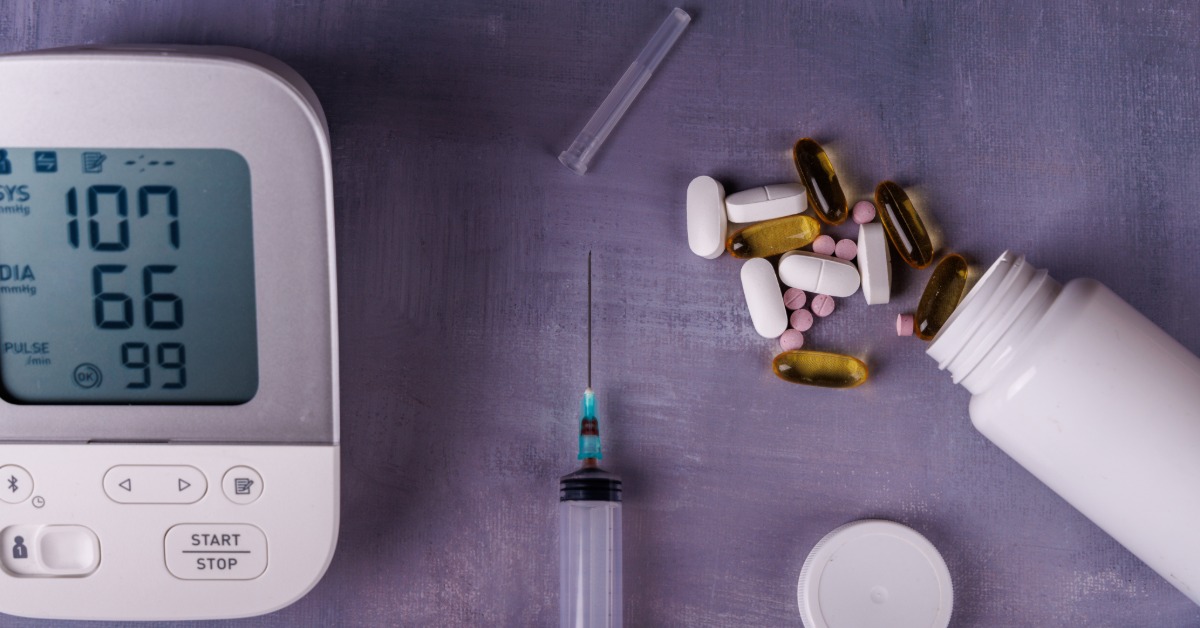
Medical supplies on the kitchen counter can feel like just another part of the day until a curious child reaches up or a pet’s nose gets close. Life at home shifts when treatment becomes routine, and small details suddenly carry more weight. Keeping kids and pets safe around medical supplies means thinking a step ahead while preserving a comfortable and normal life. With a few smart adjustments, a home can support both health needs and the lively energy of family life.
Store Supplies With Purpose
First and foremost, designate a specific storage area that stays out of reach. High cabinets with childproof latches or locked drawers reduce the chance of accidental access. Meanwhile, pets are surprisingly resourceful, so containers should be sturdy enough to resist chewing or tipping. Consistency matters because returning supplies to the same secure spot after each use prevents lapses that increase risk.
Create a Clean and Controlled Routine
Beyond storage, daily habits shape overall safety. Preparing injections or sorting medications in a calm, distraction-free space lowers the chance of dropping pills or leaving caps unsecured. Afterward, wipe surfaces thoroughly so residue from crushed tablets or liquid medications does not linger. Even small traces can harm pets that groom frequently or toddlers who explore with their hands.
Manage Sharps and Disposal Carefully
Used needles and lancets deserve immediate attention. A clearly labeled sharps container with a tight-fitting lid should remain upright and inaccessible to pets and children at all times. Once full, proper handling becomes essential, and understanding the process of disposing of home healthcare waste ensures contaminated items do not end up where children or animals could encounter them.
Organize Medications To Prevent Mix-Ups
Medication errors can affect more than the intended patient. Weekly sorting reduces the temptation to leave multiple bottles open on a counter, which in turn limits exposure. Many households find the best pill organizer helpful because its clearly divided compartments simplify dosing and minimize loose tablets. As a result, fewer mistakes occur, and fewer opportunities arise for small hands or paws to snatch something unintended.
Talk About Boundaries Early
Education reinforces physical safeguards. Age-appropriate conversations help children understand that medical tools are not toys, even when they look interesting. Likewise, training pets to avoid certain rooms or surfaces adds another layer of protection. Reinforcement over time builds respect for boundaries and supports a culture of awareness throughout the home.
Plan for Emergencies
Even with preparation, accidents can happen. Keeping emergency numbers visible and knowing basic first-aid steps for accidental ingestion or needle sticks provides peace of mind. Quick action makes a difference in outcomes, especially with fast-acting medications. Preparedness strengthens every other precaution already in place.
A home can hold medical equipment and still feel calm and lived in. Keeping kids and pets safe around medical supplies becomes part of the household rhythm, woven into daily habits without constant stress or fear. Over time, those small protective choices turn into second nature rather than extra work. Peace of mind grows quietly in the background, allowing everyone to focus more on living well than on what could go wrong.