


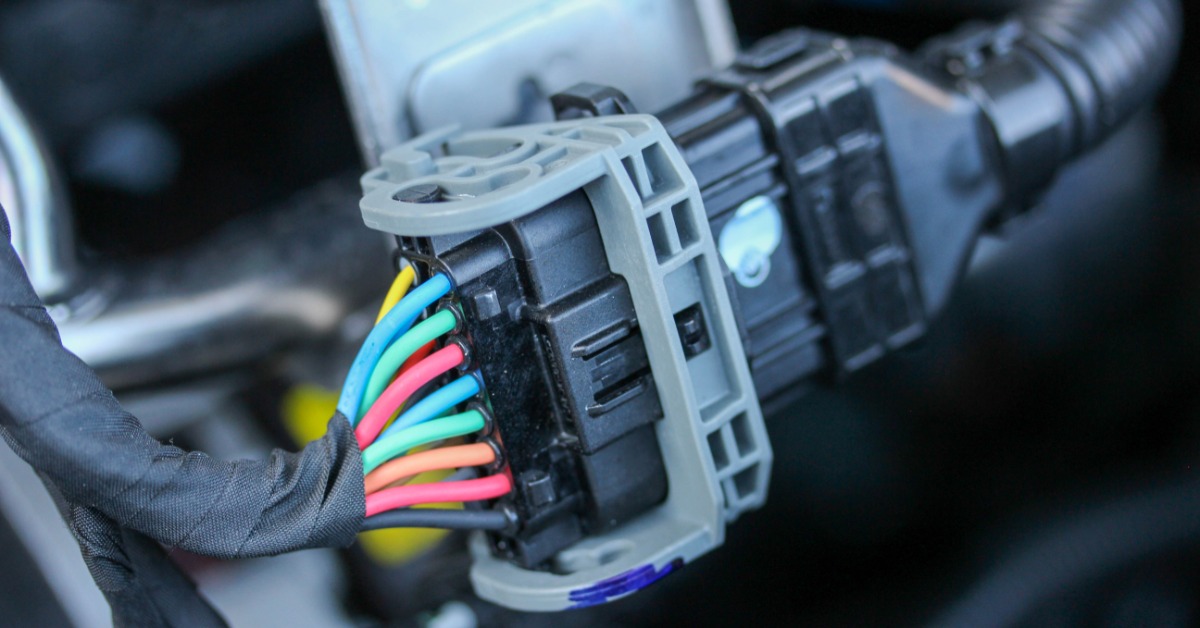
Vehicle connectors are the electrical parts that link wiring to components throughout your car. If they go bad, you may experience issues such as flickering lights or electrical parts that stop working. But how do you know if your car connectors are still good, or if they need repair or replacement? Here are some signs that can tell you when a connector has started to fail.
You Haven’t Checked Them in a Long Time
One of the most common car maintenance mistakes people make is ignoring smaller electrical parts like connectors. If it’s been a long while since you checked yours, an inspection is overdue.
Connectors deal with years of heat and vibration. Some also sit in areas where road spray reaches them. Even when the electrical system still works, age can weaken plastic housings or seals. A connector that hasn’t received an inspection in years may already have wear that you won’t notice from behind the wheel.
Corrosion Has Reached the Terminals
You should also check if the terminals are corroded. Corrosion is a common side effect of connectors exposed to wet weather, since moisture can work its way inside a worn or damaged housing.
Look at the metal contacts inside the connector. Green residue or a chalky coating points to corrosion on the terminal surface. That buildup can add electrical resistance where the terminals meet. A circuit may still operate at first, but the connection can become less reliable as corrosion spreads across the contact area.
The Housing Has Cracks
The plastic housing should surround the terminals without cracks. Damage to that shell leaves the contacts inside with less protection from water and dirt.
Check the area near the latch closely. Each time someone disconnects the plug, that section takes pressure. Older plastic can also become brittle after years near engine heat. A small split may seem harmless while the connector still works, but the opening gives moisture a path toward the terminals. Cracked housings shouldn’t be treated as cosmetic damage.
The Seal Has Damage
Many vehicle connectors have a rubber seal that blocks moisture from the terminal area. A healthy seal should sit firmly inside the connector without torn edges or deformed sections.
A damaged seal may not cause an immediate electrical failure. Water has to reach the contacts before problems begin, so you may have a period where everything still operates normally. The damaged seal still tells you the connector has lost part of its protection. If the rubber has become brittle or no longer sits in its proper position, the connector needs repair or replacement before moisture reaches the terminals.
The Connector Won’t Lock in Place
Connector halves should lock together securely. The latch keeps them from separating when vibration moves the wiring during normal driving.
If the latch has broken, the plug may still slide into place without actually locking. That leaves the connection vulnerable to movement. Even a small amount of separation can reduce contact between the terminals. The electrical problem may come and go as the plug moves, which can make the affected part seem faulty. A connector that won’t lock into place no longer has the secure fit it needs.
One of the Pins Is Bent
Pins inside the connector need to line up with their matching terminals. If one pin bends, it may no longer meet the contact surface correctly.
Look at the terminals before you reconnect the plug. One that sits at a different angle from the rest needs closer inspection. Don’t force the connector together if a pin looks out of place. Pressure from the other half can bend it farther or damage the matching terminal. Even a small bend can reduce the contact area enough to cause an intermittent electrical fault.
A Terminal Has Slipped Back
A terminal can also move backward inside the connector housing. When that happens, the metal contact may sit deeper than the terminals beside it.
The position matters because both halves have to meet at the proper depth. A terminal that has slipped back may make weak contact or no contact at all. Check the connector from the front and compare the depth of each terminal. If one sits noticeably farther inside the housing, its retaining tab may no longer hold it in place. The terminal needs correction before the connector goes back into service.
The Plastic Has Heat Damage
Burned or melted plastic near a terminal points to excess heat at the connection. Resistance at a poor contact point can raise the temperature enough to damage the surrounding housing.
Discoloration may appear before the plastic loses its shape. A brown or black area near one terminal still calls for a closer inspection, even if the connector hasn’t melted. Heat can weaken the housing and change how firmly the terminal sits inside it. Replacing a fuse won’t solve damage at the connector itself if the source of the electrical problem remains at that contact point.
Electrical Problems Start After a Bump
A loose connector may reveal itself when the vehicle travels over rough pavement. The movement can interrupt contact between terminals that already have a weak connection.
You may notice a light flicker or another electrical part cut out for a moment after the car hits a bump. The same part may work again as soon as the connector settles back into position. Damaged wiring can cause similar symptoms, so the connector isn’t automatically at fault. Still, a problem tied to road vibration gives you a good reason to inspect the connection near the affected component.
Electrical Problems Appear After Rain
Rain can expose a connector that no longer keeps moisture away from its terminals. A cracked housing or damaged seal may allow water inside after the vehicle gets wet.
The timing of an electrical fault can point toward moisture in the connection. A circuit that acts up after rain but works again after the area dries may have water getting inside. If you safely disconnect the plug and find moisture there, the connector no longer has proper weather protection. Drying it may restore the circuit for now, but the damaged seal or housing still needs repair.
The Connector Has Loose Wires
Wires should enter the connector housing without excessive movement. If one wire shifts more than the others, the terminal attached to it may have loosened inside the plug.
A loose wire can pull the terminal away from its matching contact even when the connector itself remains locked. That creates an electrical fault inside a plug that looks normal from the outside. Gently inspect each wire near the back of the housing. Any wire that moves in and out of the connector needs further inspection before you rely on that circuit.
Keep an Eye on Connector Condition
Knowing how to tell if your car connectors are still good can make electrical problems easier to trace before a damaged connection leaves part of your vehicle without power. Check questionable connectors before you replace a component that may still work perfectly well. If you find damage that you aren’t comfortable repairing yourself, have a qualified technician inspect the connection and handle the repair.