


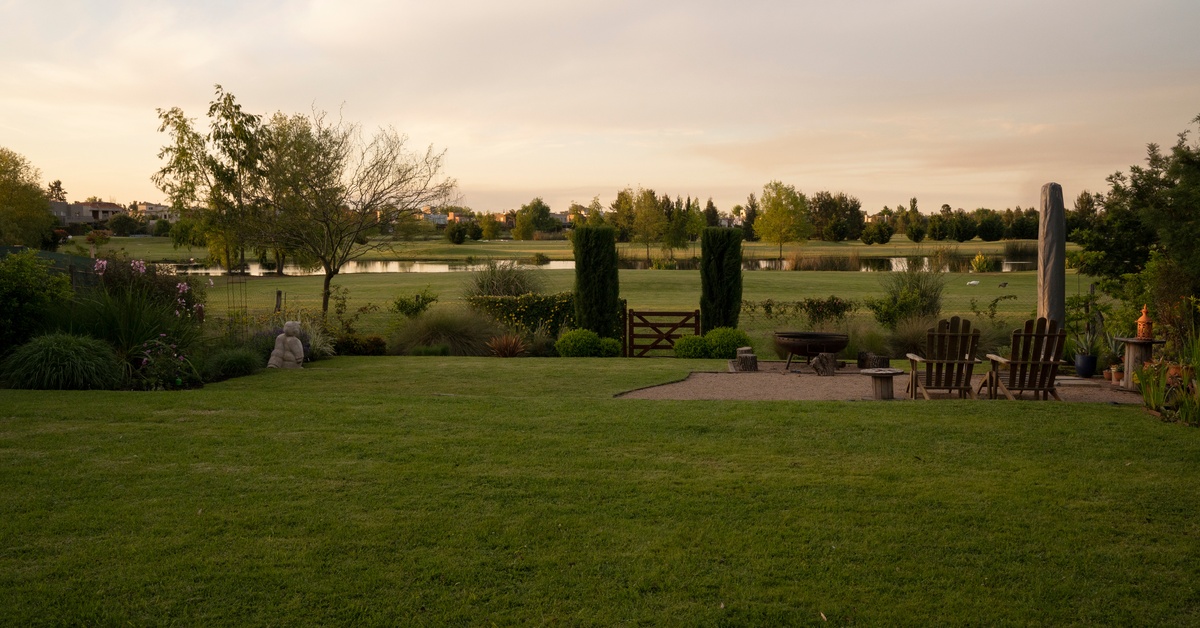
There’s a particular kind of outdoor space that feels different the moment you step into it. The air seems quieter; the light softer. Conversations slow down, and even your breathing deepens without effort. The space isn’t necessarily expansive or elaborate—but it is intentional.
In an increasingly fast-paced world, this type of sanctuary has become less of a luxury and more of a necessity, especially as more people recognize the importance of occasionally taking a break from everything to restore balance and mental clarity. Understanding how to design a wellness-focused outdoor space begins with recognizing that true comfort isn’t just decorative—it’s restorative.
Wellness should be less about trends and more about longevity, presence, and quality of life. Designing an outdoor space with those qualities in mind requires a shift in perspective. It’s not about filling a patio; it’s about curating an environment that supports ritual.
Begin With Intention, Not Aesthetic
A wellness-focused space begins with purpose. Before you select furnishings or landscaping features, ask yourself how you want to feel in your outdoor space. Energized in the morning? Grounded at dusk? Consider carving out distinct zones that serve these intentions: a quiet corner for reading and tea, an open-air dining area for meals with friends, or perhaps a meditation nook shielded by tall grasses or espalier trees.
Engage the Senses
True wellness lives in sensory detail. The sound of moving water masks urban noise. Fragrant plantings such as lavender, jasmine, and sage create a subtle aromatherapy experience. Layered lighting, from lanterns to discreet uplighting in trees, extends usability into the evening without harsh glare.
Temperature also plays a role. In cooler climates, radiant heaters or a fire feature encourage year-round enjoyment. In warmer regions, pergolas with climbing vines offer dappled shade that shifts beautifully throughout the day.
Incorporate Restorative Rituals
One of the most transformative additions I’ve seen in recent years is the integration of spa-inspired elements. Wellness investments such as home saunas, cold plunges, and hydrotherapy tubs are no longer reserved for five-star resorts. When subtly woven into the landscape, these features feel less like amenities and more like sanctuaries.
What makes these additions powerful is the ritual they encourage. Stepping into the warmth of a sauna at the end of a demanding day, for instance, is a small, repeatable practice that supports resilience and longevity. Plus, there’s something quietly luxurious about reclaiming your time. No spa appointments, no commutes—just a short walk across your own terrace.
Design for Longevity
Perhaps the most important principle in designing a wellness-focused outdoor space is durability. Choose materials that will weather beautifully and layouts that accommodate changing needs. Limestone underfoot, sustainably sourced hardwoods, and breathable linen cushions age gracefully and connect the space to its surroundings. Wide pathways, supportive seating, and low-maintenance native plantings also ensure that your space remains elegant and practical over time.
In the end, a wellness-focused garden is about creating a place where you can exhale, where mornings begin with sunlight on your face and evenings close with gratitude under the stars. That, more than any design trend, is the ultimate luxury.