


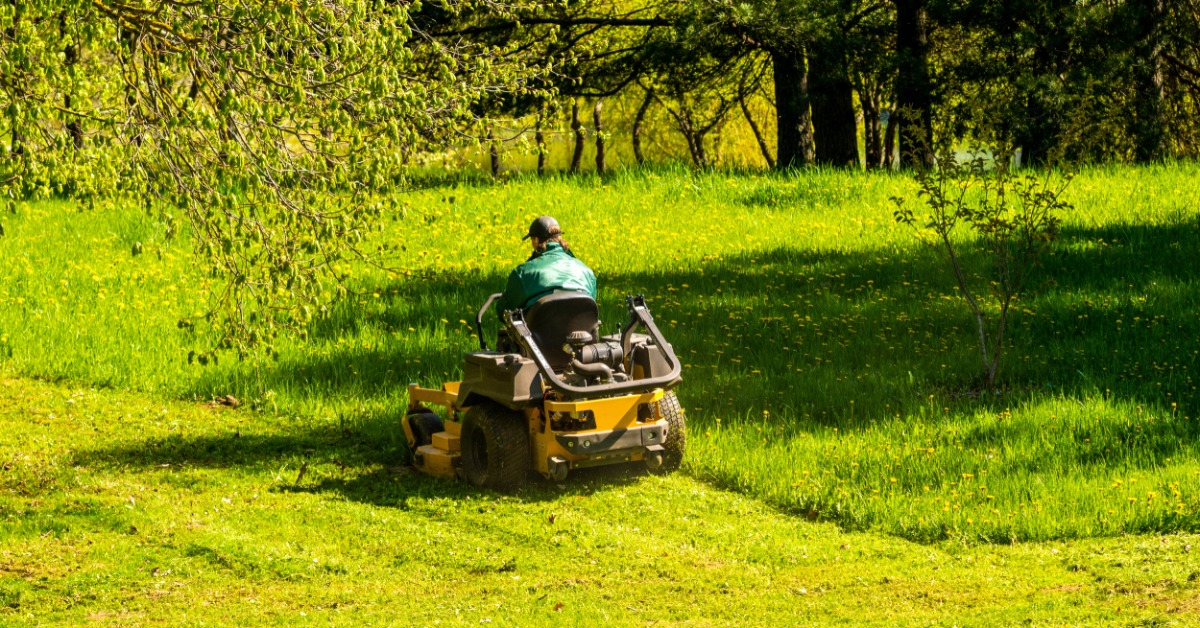
A riding mower can make maintaining a larger lawn much easier, but it also represents a significant investment in outdoor equipment. Like a car or other machine with an engine and moving components, a mower benefits from consistent care rather than waiting until something breaks.
Fortunately, extending its useful life doesn’t require advanced mechanical skills. Routine inspections, proper cleaning, and attention to components that experience regular wear make a meaningful difference. Learning how to extend the working life of your riding mower ultimately comes down to preventing small problems from developing into expensive ones.
Follow the Manufacturer’s Maintenance Schedule
The owner’s manual should be the starting point for mower maintenance. Manufacturers typically specify intervals for tasks such as changing the engine oil, replacing filters, lubricating fittings, checking belts, and servicing spark plugs.
Those intervals can vary depending on the mower and how heavily it is used. A machine that tackles several acres every week will likely need attention sooner than one used occasionally on a smaller property.
Keeping a simple maintenance record can help. Note the date or engine hours whenever oil, filters, belts, blades, or other components are serviced. That makes it easier to know what’s due instead of relying on memory.
Pay Attention to the Tires
Tires may not receive as much attention as the engine or cutting deck, but their condition affects traction, handling, ride quality, and even how consistently a mower cuts.
Check tire pressure regularly and keep it within the mower manufacturer’s specifications. Underinflation can increase tire wear and rolling resistance, while uneven pressure can cause the mower to sit differently from one side to the other. Before mowing, it also helps to look for cracks, punctures, damaged valve stems, and unusually worn tread.
Eventually, normal wear or damage may make replacement necessary. Understanding differences in lawn mower tire sizes, tread patterns, and applications can help when determining what type of tire is appropriate for a particular mower and terrain.
Keep the Mower Deck Clean
Grass clippings are easy to ignore after mowing, especially when the machine still appears to work normally. However, wet grass and packed debris underneath the deck can hold moisture against metal surfaces, encouraging corrosion over time.
Follow the manufacturer’s instructions for safely accessing and cleaning the deck. Always shut the mower down completely and take the recommended precautions before working near the blades.
The top of the deck deserves attention as well. Grass and debris can accumulate around pulleys, belts, and other moving components. Keeping these areas reasonably clean makes inspection easier and prevents debris from interfering with normal operation.
A well-maintained mower is only one part of caring for an outdoor space. Broader landscaping habits, such as thoughtful planting, watering, and routine property upkeep, can also make yardwork more manageable.
Maintain Sharp, Balanced Blades
Mower blades gradually become dull from repeated contact with grass, sticks, soil, and other material. Dull blades tend to tear grass rather than cut it cleanly and may make the mower work harder to achieve satisfactory results.
Inspect blades periodically for dull edges, bends, cracks, or other damage. Sharpening may restore blades that are simply dull, while damaged or excessively worn blades should generally be replaced.
Balance matters, too. An unbalanced blade can create vibration, placing additional stress on bearings and other mower components. If blade maintenance is outside your comfort level, a qualified equipment technician can perform the work.
Don’t Ignore Belts and Moving Parts
Drive and deck belts experience heat, tension, and constant movement during operation. Over time, they can crack, stretch, glaze, or fray.
Inspect accessible belts according to the manufacturer’s recommendations. Replacing a visibly deteriorating belt before it fails can prevent a machine breakdown in the middle of mowing.
The same principle applies to pulleys, spindles, steering components, and lubrication points. Unusual squealing, grinding, rattling, or excessive vibration deserves attention. New noises are often an early indication that something has loosened, worn down, or fallen out of adjustment.
Give the Engine Consistent Care
The engine is one of the most important—and potentially costly—parts of a riding mower. Basic maintenance can help it operate reliably for much longer.
Check engine oil as recommended and change it at the specified intervals. Air filters also need regular inspection because mowing environments can be dusty, and a dirty filter restricts airflow and affects engine performance.
Fuel deserves consideration as well. Gasoline left sitting for long periods can deteriorate and contribute to starting or fuel-system problems. Follow the mower manufacturer’s recommendations regarding fuel storage, stabilizers, and seasonal preparation rather than leaving old fuel untreated indefinitely.
Protect the Battery and Electrical System
Battery problems often become noticeable when a mower has been sitting unused. Check terminals periodically for corrosion and make sure connections remain secure.
For extended storage, follow the manufacturer’s recommendations for maintaining or removing the battery. A compatible battery maintainer may be appropriate for some equipment and storage situations.
Wiring should also receive an occasional visual inspection. Look for loose connections, damaged insulation, or areas where wires appear to be rubbing against moving or hot components.
Store the Mower With Longevity in Mind
Exposure can accelerate deterioration even when a mower isn’t running. Whenever possible, store it in a dry, sheltered location away from rain, snow, and direct weather exposure.
Before seasonal storage, clean away accumulated grass and debris and complete any maintenance recommended by the manufacturer. This is also a convenient time to inspect the machine carefully. Finding a worn belt, damaged tire, or weak battery at the end of the season gives you time to address it before the mower is needed again.
Fix Small Problems Before They Grow
One of the simplest principles of extending the working life of your riding mower is to pay attention to changes in how the machine feels, sounds, and performs. Hard starting, steering changes, uneven cutting, unusual vibration, slipping belts, fluid leaks, and persistent noises shouldn’t be dismissed as signs of an aging machine. They can indicate individual components that need adjustment, maintenance, or replacement.
A riding mower will inevitably experience wear, but neglect can accelerate it. Regular maintenance, careful operation, clean storage, and timely repairs preserve the machine’s performance and reduce the likelihood that a relatively minor issue turns into a major failure.