


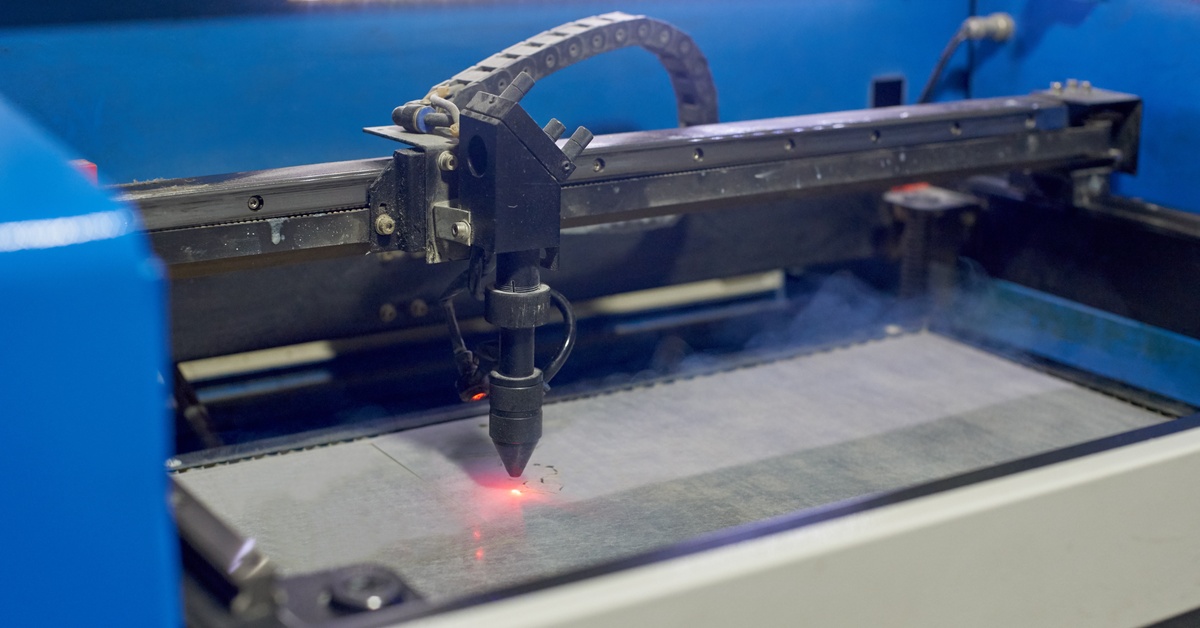
Manufacturers track more than products. They track batches, parts, suppliers, processes, timelines, and performance. When a company needs cleaner records and better accountability, traceability becomes a major priority.
Laser marking helps teams connect physical parts to digital information in a clear, lasting way. A small code, serial number, logo, or data matrix can carry important details through production, inspection, shipping, and service. That kind of visibility helps manufacturers move faster, reduce confusion, and maintain stronger control over their work. Continue reading to learn more about how laser marking supports traceability goals.
Clear Identification
Every part needs a reliable identity. Labels can peel off, ink can fade, and tags can break during handling. Laser marking creates permanent marks directly on the surface of a part, so teams can identify components long after production ends.
This identification helps manufacturers track individual parts through each step of the process. A technician can scan a marked code and connect that part to the right order, material batch, machine setting, or inspection record. That simple scan can save time when teams need fast answers.
Better Production Flow
Traceability works best when teams capture information at the right moments. Laser marking supports that goal because manufacturers can add marks during production instead of waiting until the end.
A well-timed mark can help operators confirm that each part has completed a specific step. It can also help teams separate parts by job, customer, or version. When production moves quickly, clear identification reduces mix-ups and keeps work moving in the right direction.
Manufacturers also rely on tools for precision high-tech manufacturing when they need tight control over quality and consistency. Laser marking fits that environment because it can create clean, readable marks on small parts, delicate components, and complex materials.
Stronger Quality Control
Quality teams need accurate information when they inspect parts or review production issues. Laser marking gives each part a direct link to its production history, which helps teams spot patterns and solve problems with less guesswork.
For example, a marked code can lead teams back to a specific production line, shift, material lot, or inspection checkpoint. That information helps managers act quickly when they find a defect or need to review a customer concern.
Laser marking requires well-planned integration because the system needs to work with existing equipment, software, and inspection processes. When manufacturers plan that connection early, they can capture the right data without slowing down production.
Easier Compliance
Many industries need detailed records for safety, warranty, and regulatory reasons. Aerospace, medical device, electronics, automotive, and defense manufacturers often need permanent identification that supports full product history.
Laser marking helps companies meet those expectations with durable codes that stay readable through heat, cleaning, abrasion, and regular handling. Teams can also use laser marking to add part numbers, date codes, logos, and compliance symbols in a compact space.
Smarter Service Support
Traceability continues after a product leaves the facility. When service teams can scan a marked part, they can confirm its origin, version, and maintenance history. That information helps technicians choose the right replacement part, review warranty details, or identify product updates.
Customers also benefit from clearer support. Instead of relying on vague descriptions, they can provide a code that points to specific product information.
A Mark That Carries Value
Laser marking supports traceability goals by giving manufacturers a practical way to connect products, processes, and records. With the right setup, each mark can support better organization, faster troubleshooting, and stronger accountability.
As manufacturing grows more connected, traceability will keep playing a larger role in daily operations. Laser marking gives teams a durable and efficient way to build that visibility into every part they make.