


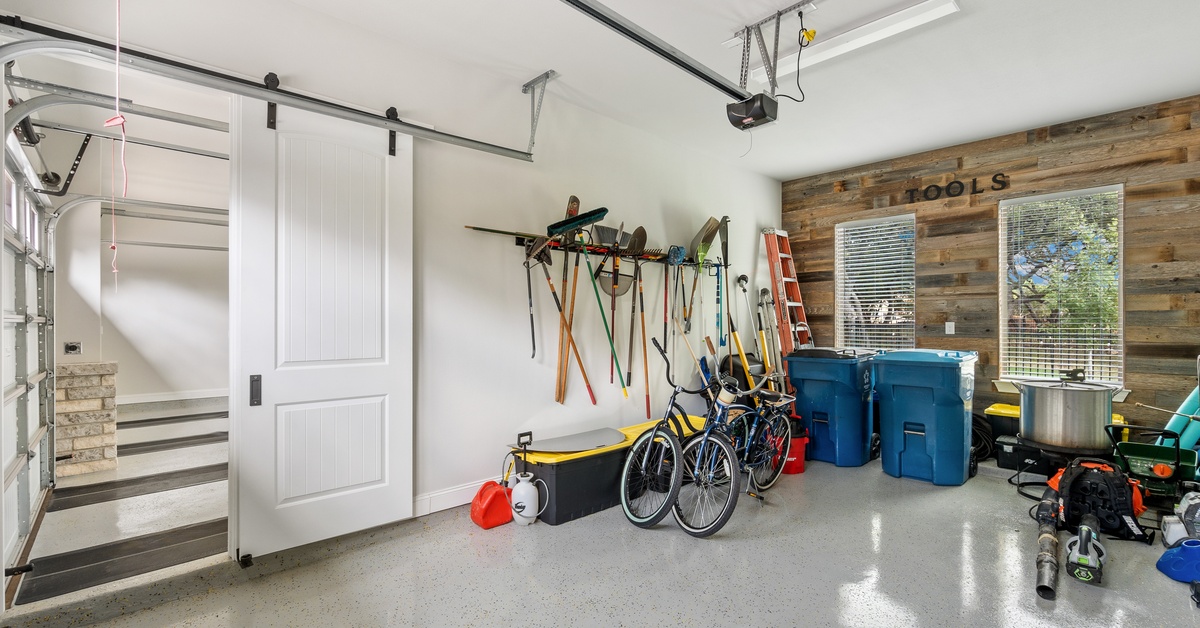
A garage may begin as a straightforward place to keep vehicles, but the demands placed on that space can expand with the household. Weekend repairs compete with storage needs, while hobbies or home projects can leave homeowners wishing they had planned the room differently.
Recognizing when your garage needs to do more than park cars can change the way you think about its layout. Looking beyond every open corner as potential storage lets you consider which activities belong there and arrange the space around how you use it.
Start With What You Actually Do in the Garage
Before reorganizing shelves or buying new equipment, consider what regularly happens in your garage besides parking. Someone who performs routine vehicle maintenance needs a different setup from a homeowner who primarily uses the room for hands-on hobbies or household repairs. Looking at your existing habits can reveal where the current layout creates unnecessary frustration.
If you constantly move boxes before working on your car or carry tools across the garage whenever you start a project, the problem may have less to do with square footage than with how you have assigned the space. Your priorities may change as your interests develop, so leaving some flexibility can make future adjustments easier.
Give Each Activity Enough Working Room
When several activities share one garage, allowing them to spill into the same area can make even a large room feel crowded. Creating recognizable work zones gives frequently used items logical homes while preserving the clearance you need to move around comfortably.
A workbench might occupy a wall without interfering with vehicle doors, while automotive tools can stay closer to the parking area. Before committing to a larger project, consider whether you have enough room to work comfortably and whether the job suits your experience. Knowing when to tackle a DIY project yourself can keep an ambitious project from taking over the garage when the available workspace or equipment does not match what the job requires.
Look Above the Floor for More Possibilities
Limited floor space does not necessarily mean a garage has reached its functional limit. Walls and suitable overhead areas can hold belongings that would otherwise occupy space needed for vehicles or projects. Wall-mounted systems work particularly well for frequently used tools, while higher storage can accommodate lighter belongings you need less regularly.
Vertical thinking can extend to vehicles in garages designed to support specialized equipment. Homeowners who want the same area to accommodate automotive work and other uses may find that using car lifts for more than storage opens additional possibilities for managing the available room. Any lift installation needs to suit the garage structure and provide appropriate clearance for the vehicle involved.
Reduce the Work Required Before a Project Starts
A garage can technically contain everything you need and still be frustrating if every project begins with moving half the room. Keeping an adaptable work area available reduces the setup required before you can start repairing something or spending time on a hobby. The easier it is to begin, the less likely the garage is to become a place where unfinished plans compete with accumulated belongings.
Movable equipment can make this easier because the same section can support different activities without permanently claiming valuable floor space. Consider how much room a project requires while you are actively working, not simply how neatly its equipment fits when stored. Leaving enough working clearance can make the difference between a space that merely holds your equipment and one where you can comfortably use it.
Plan Around the Vehicles That Still Live There
Expanding the garage’s purpose should not make everyday parking difficult. Vehicle doors need enough room to open comfortably, and people need practical paths through the space without squeezing past shelving or equipment. Parking your vehicles before finalizing a new arrangement can expose clearance problems that may not appear obvious in an empty garage.
Pay attention to routine movements as you test the layout, especially around the driver’s side and the route you use to enter the house. A storage cabinet that technically fits beside a vehicle may still become irritating if you have to navigate around it every day. Future vehicles deserve some consideration as well, since building every feature around a compact car could create problems if a larger vehicle eventually takes its place.
Make Storage Reflect How Frequently You Use It
Everyday tools deserve convenient locations, while seasonal belongings can occupy areas that require more effort to reach. Closed cabinets can contain smaller objects that would otherwise create visual clutter, whereas open shelving keeps regularly used items within easy reach.
Reorganizing also creates an opportunity to question whether everything currently stored in the garage still deserves its place. Objects kept for years without a clear purpose consume room that could support something you genuinely use. Clearing unnecessary belongings may create more functional space than adding another cabinet to an already crowded wall.
Leave Room for the Garage To Change
The way you use a garage today may not match what you need from it several years from now. Someone who starts performing more vehicle maintenance could eventually want additional working clearance, while a new hobby might call for a larger project surface. Building some adaptability into the room keeps those changes from requiring a complete overhaul.
Movable cabinets and adjustable shelving can accommodate changing priorities more easily than a layout built entirely around fixed installations. Permanent features still make sense where structural or safety requirements demand them, but flexibility elsewhere allows the room to evolve as your needs shift. Even leaving one wall or section relatively adaptable can give a future project somewhere to go without displacing everything that already works.
Make the Garage Earn Its Space
Once a garage begins supporting activities beyond parking, its usefulness depends on how deliberately those functions fit together. A thoughtful layout can preserve comfortable vehicle access while giving projects enough room to happen without requiring you to rearrange the entire space every weekend.
Knowing when your garage needs to do more than park cars provides a stronger starting point than simply filling every available wall with storage. By designing around what you genuinely do there and leaving flexibility for future needs, you can make the garage a more functional part of everyday life.