

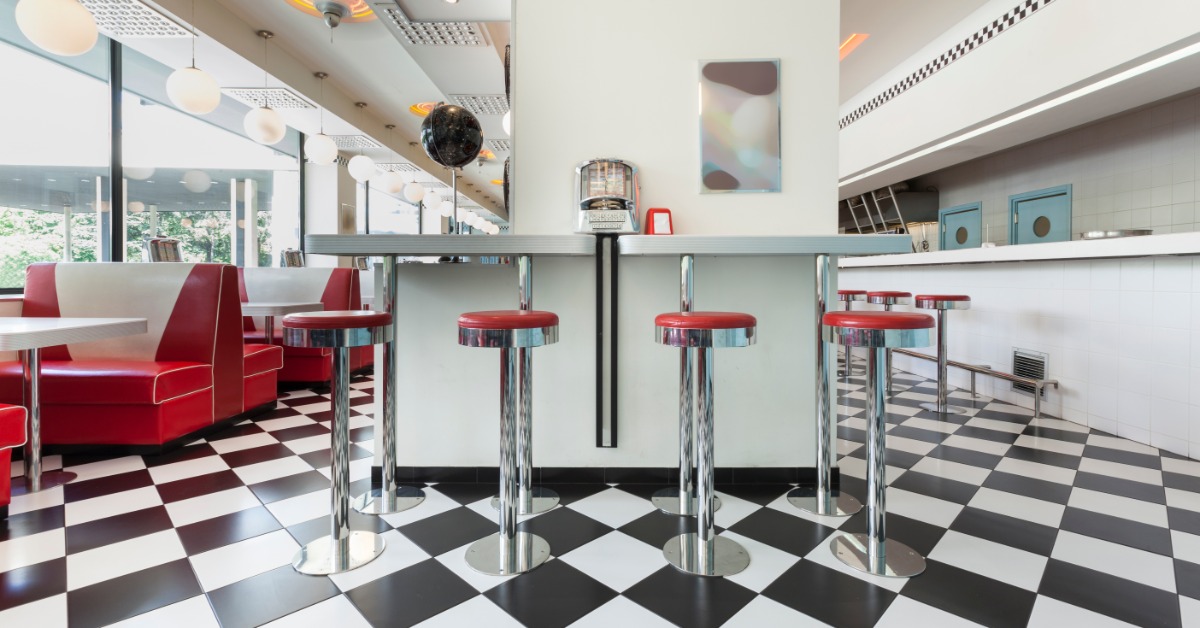
There’s something special about walking into a diner filled with colorful booths, shiny chrome accents, and old-fashioned charm. But recreating that nostalgic atmosphere takes more than choosing a few retro decorations. These tips for designing your new vintage diner business explore how to combine classic style with the practical needs of a busy restaurant. From planning the layout to selecting comfortable seating, you’ll discover ways to make your diner both memorable and functional.
Choose a Cohesive Retro Design Theme
Start by deciding which era will inspire your diner’s overall look. While the 1950s and 1960s are popular choices, each decade offers distinct furniture styles, colors, and decorative details. Choosing a clear direction early makes it easier to create an authentic, cohesive interior rather than a mismatched one.
Once you’ve settled on a theme, consider how the major design elements will work together. For example, checkerboard flooring can establish a classic foundation, while coordinating wall finishes tie everything together. Even smaller details, such as trim and hardware, can reinforce the chosen style.
Some classic vintage diner color palettes include:
- cherry red, white, and chrome
- mint green, cream, and pink
- turquoise, yellow, and white
- black, white, and bright red
Plan an Efficient Diner Floor Layout
A beautiful interior won’t mean much if customers and employees struggle to move through it comfortably. As you plan your seating arrangement, consider the space servers need to carry food and for guests to enter or leave booths. You’ll also want a practical mix of tables and seating options for different group sizes.
When designing your new vintage diner business, think about how the layout will function during the busiest hours. A crowded waiting area or poorly positioned service station can disrupt the entire dining experience. Place waiting benches near the entrance without blocking the main walkway or access to dining tables. Place service stations near seating areas so employees can retrieve supplies without repeatedly crossing the restaurant.
Select Durable Retro Furniture and Booths
Retro furniture should look the part, but it also needs to withstand everyday restaurant use. Chrome-framed chairs and upholstered booths are classic choices that can complement nearly any vintage diner theme. Look beyond appearance by evaluating frame construction, cushion support, and how easy each piece is to maintain.
Upholstery deserves special attention because diner seating sees constant use. One practical option is to use commercial-grade faux leather in high-traffic spaces, where its cleanable surface can withstand spills and repeated cleaning. These materials balance long-term performance with the comfortable, welcoming feel customers expect.
Design a Vintage Diner Counter
The counter is often one of a traditional diner’s most recognizable features, making it a natural focal point. Chrome edging and swivel stools can recreate that familiar retro appearance. Think about how employees will move behind the counter and where customers will sit while eating. Leave sufficient room between stools so guests aren’t crowded together.
Here are popular countertop materials for vintage diners:
- Stainless steel offers a classic commercial diner appearance, withstands frequent use, and is easy to clean.
- Laminate provides an affordable option with a wide range of retro colors, patterns, and finishes.
- Solid surface creates a smooth, seamless appearance that’s easy to maintain and available in various styles.
Install Period-Appropriate Lighting Fixtures
Vintage-inspired lighting can create a welcoming atmosphere while reinforcing your diner’s retro theme. Globe pendants, classic wall sconces, and chrome-accented fixtures add character, especially when you mix complementary styles instead of using identical lights throughout. Consider placing brighter fixtures above counters and service areas where employees need clear visibility.
For dining areas, softer lighting can make booths feel more comfortable and inviting without making menus difficult to read. Decorative fixtures add visual interest, while dimmable lights allow you to adjust brightness throughout the day. Energy-efficient bulbs also keep electricity costs manageable without compromising your diner’s vintage look.
Incorporate Authentic Vintage Decor
The right decorations can turn a well-designed restaurant into a memorable destination. Instead of filling every wall with memorabilia, choose pieces that reflect your diner’s specific era and personality. A few carefully positioned displays often create a stronger impression than an overcrowded collection.
Consider incorporating details such as:
- neon-inspired wall signs
- vintage-style menu boards
- classic jukebox displays
- framed automobile advertisements
- retro condiment holders
Design a Menu That Matches the Theme
Your menu should feel like a natural extension of the diner’s overall concept. Classic comfort foods, such as burgers and milkshakes, can reinforce a nostalgic atmosphere when they suit your business model. However, the selection should reflect what your kitchen can consistently prepare and serve.
Consider how food presentation shapes the dining experience, too. Traditional serving dishes and retro-inspired menu designs can reinforce the theme without complicating operations. Keeping your offerings focused also makes inventory management and staff training easier.
Balance Nostalgia With Modern Preferences
Customers may visit for a classic diner experience, but their dining preferences won’t necessarily be old-fashioned. Offering a few vegetarian choices or customizable meals can make the menu more welcoming. Clearly label common allergens to make ordering easier for guests with dietary restrictions. The goal is to preserve your diner’s personality while offering enough flexibility to serve a broader audience.
Integrate Modern Comfort and Technology
A vintage appearance doesn’t mean your restaurant has to operate like it’s still the 1950s. Today’s diners benefit from reliable kitchen technology, convenient payment options, and effective climate control. The challenge is incorporating these features without distracting from the nostalgic interior.
As you plan your kitchen and service areas, use quality restaurant equipment that supports your menu and expected customer volume. Thoughtful placement of refrigeration, prep stations, and payment systems can smooth daily operations. Whenever possible, position visible technology so it blends with the surrounding design.
A great vintage diner should feel like a trip back in time without sacrificing today’s comforts. Every design choice, from the seating arrangement to the smallest decorative detail, shapes how customers experience your restaurant. A menu that pairs classic diner favorites with modern options can make the experience even more appealing. When everything works together, your diner can become a neighborhood favorite that keeps customers coming back.