


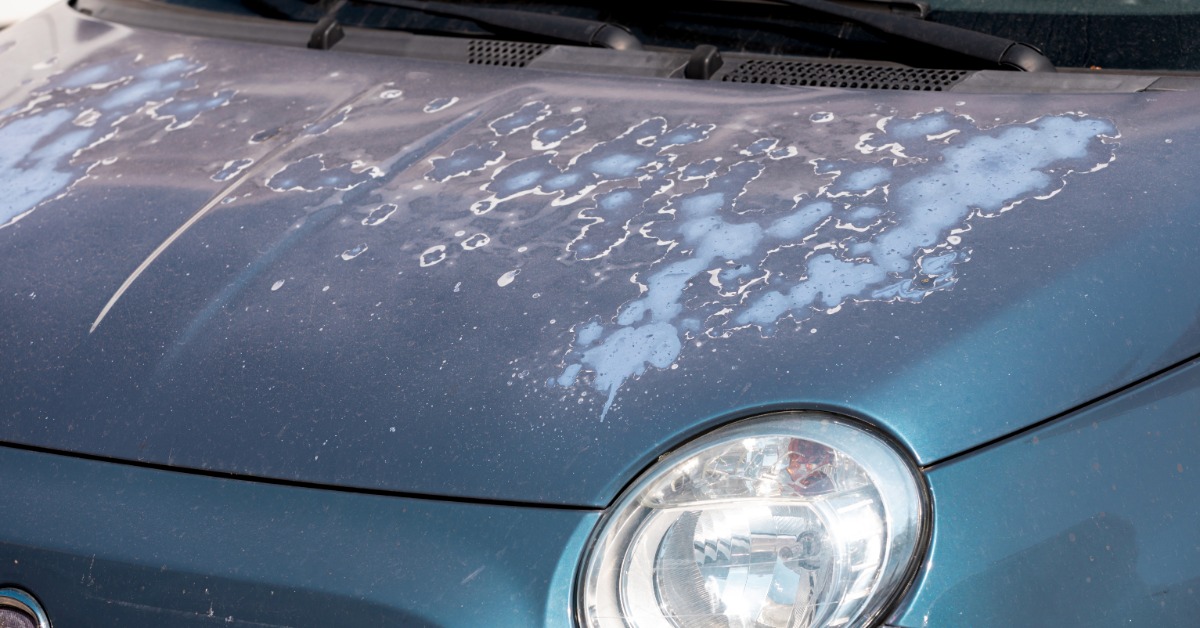
A vehicle faces small stresses every time it leaves the driveway—sunlight fades finishes, road debris chips paint, and repeated contact gradually wears down the cabin. None of these changes seems especially serious on its own, but together they can make a well-running car look older than it is. Protecting your vehicle from everyday wear and tear starts with understanding where damage begins and building manageable habits around those vulnerable areas. Consistent care matters more than occasional intensive detailing, particularly for drivers who use their cars for commuting, errands, and family travel.
Wash Away Contaminants Before They Settle
Dust, pollen, bird droppings, road salt, and industrial fallout can cling to exterior surfaces. When left in place, some contaminants may stain finishes or contribute to corrosion. Wash the vehicle regularly with automotive shampoo and clean microfiber wash media rather than household detergents or rough sponges.
Rinse loose grit away first to reduce the chance of dragging abrasive particles across the paint. Pay attention to wheel wells, lower doors, and underbody areas where salt and mud collect. After winter driving or trips along treated roads, a thorough rinse is particularly useful. Drying with a clean towel also helps minimize water spots.
Protect Paint Without Overcomplicating the Routine
Clean paint still needs a barrier against environmental exposure. Wax, sealants, and suitable protective coatings can make routine washing easier and reduce the tendency of contaminants to bond to the surface.
The right choice depends on budget, storage conditions, and willingness to maintain the finish. Apply products according to their instructions, and avoid polishing more often than necessary because abrasive correction removes a small amount of clear coat. Address fresh chips promptly with appropriate touch-up materials to limit exposed metal. For vehicles parked outside, choosing shade when practical can also reduce prolonged sun exposure.
Give Tires and Wheels Regular Attention
Tires endure constant friction, temperature changes, and impacts from imperfect roads. Check inflation when tires are cold, using the pressure specified on the vehicle’s door placard rather than the maximum printed on the sidewall. Underinflation and overinflation can affect wear patterns, handling, and efficiency.
Inspect tread depth and look for cuts, bulges, or uneven wear that may signal alignment or suspension concerns. Rotate tires according to the manufacturer’s guidance, and clean brake dust from wheels with a finish-safe product. Small checks can prevent premature replacement while making unexpected problems easier to spot.
Keep the Cabin Comfortable and Durable
Interior materials suffer from a different kind of exposure. Shoes carry in grit, spills settle into seams, and sunlight can dry or discolor some surfaces. Use fitted floor mats, vacuum carpets and seat crevices, and wipe high-contact areas with cleaners designed for the material. Steering wheels, switches, cupholders, and door handles deserve attention because they are used repeatedly.
A practical guide to interior car parts that need regular cleaning can help identify spots that routine vacuuming misses. Avoid soaking electronics or applying glossy dressings where they could make controls slippery. Sunshades and sensible parking choices can also limit heat buildup when the vehicle sits outside.
Prevent Mechanical Wear Through Timely Service
Appearance is only one part of long-term vehicle care. Engine oil, coolant, filters, brake components, and other service items need attention at intervals appropriate for the model and driving conditions. Follow the owner’s manual rather than assuming every car needs the same schedule. Short trips, towing, heavy traffic, and extreme temperatures may qualify as severe service for some vehicles.
Keeping a simple maintenance record makes it easier to notice missed appointments and recurring issues. Many owners also benefit from knowing the common car maintenance mistakes and ways to avoid them before minor oversights become expensive repairs. Never ignore dashboard warnings or unfamiliar noises simply because the car still drives normally.
Adjust Driving Habits to Reduce Stress
Driving style influences how quickly components wear. Abrupt acceleration, hard braking, and striking potholes at speed place extra demands on tires, brakes, and suspension parts. Smooth inputs and generous following distances reduce unnecessary strain while supporting safer driving. Avoid resting a foot on the brake pedal, and slow down for speed bumps and rough pavement.
Remove unneeded heavy cargo rather than carrying it everywhere. These changes do not require specialized equipment, but they can help preserve components that are costly to replace. Staying attentive to changes in steering feel or braking response also makes maintenance more proactive.
Plan for Weather and Parking Conditions
Where a vehicle spends its downtime matters almost as much as how it is driven. Prolonged sunlight, tree sap, hail, and freezing conditions create different risks. A garage or covered parking space offers useful protection when available, while a breathable, properly fitted car cover may help for vehicles stored longer term.
Avoid placing a cover over dirty paint because trapped grit can scratch the finish. In cold climates, remove snow with tools intended for automotive surfaces and keep drainage channels clear. During warmer months, monitor rubber seals and wiper blades for cracking or stiffness. Seasonal checks help prevent small problems from becoming inconvenient surprises.
Respond Quickly to Small Problems
A shallow scratch, a loose trim piece, or a minor fluid leak can be easy to dismiss during a busy week. Yet postponing attention may allow damage to spread or make repairs more complicated. Photograph new cosmetic damage so you can monitor changes, and ask a qualified technician to assess leaks, persistent vibrations, or unusual odors.
Keep basic supplies in the car for cleaning accidental spills before they stain. It also helps to inspect the vehicle briefly after long trips, especially when traveling on gravel roads or through harsh weather. A few minutes of observation can protect both appearance and reliability.
Build Habits You Can Actually Maintain
The most effective routine is one that fits real life. Set a recurring time to check tire pressure and fluid levels, pair interior cleaning with a regular wash, and keep service reminders in a calendar. You do not need to detail every surface each weekend or purchase every new product. Instead, focus on preventing contamination, catching damage early, and following manufacturer guidance. Over time, keeping your vehicle protected against routine wear and tear becomes less about occasional major projects and more about consistent, practical choices. Those choices can preserve comfort, reduce avoidable repairs, and help the car remain enjoyable to drive for years. They also make it easier to notice gradual changes before they demand more time and money.